
Niacinamide: What It Does, How to Use It, and Why Your Skin Needs It
If I could only recommend one skincare ingredient to someone who is just getting started with skincare, it would probably be niacinamide, alongside hyaluronic acid. And I do not say that lightly.
Niacinamide, also known as vitamin B3, is one of those rare ingredients that seems to help with almost everything. Oily skin. Dry skin. Breakouts. Redness. Large pores. Dullness. Uneven skin tone. It does not matter what your skin concern is, niacinamide probably has something to offer.
And the best part? It is gentle. It plays well with almost every other ingredient and it does not make your skin sensitive to the sun like for example retinol does. And it is available at every price point, from budget-friendly brands to high-end formulas.
I have been using niacinamide in my routine for a while now, and it is one of those ingredients I keep coming back to no matter what else changes in my routine. So let me explain what it is, what it does, how to use niacinamide, and why I think it deserves a spot in almost everyone’s skincare routine.
What Is Niacinamide
Before I get into how to use niacinamide, let me explain what it actually is.
Niacinamide is a form of vitamin B3, which is a water-soluble vitamin that your body needs for a whole range of functions. When applied to the skin, it has a long list of benefits that have been backed by research.
Unlike some trendy ingredients that come and go, niacinamide has been studied extensively for decades. It is not new. It is not a passing trend. It is a well-established ingredient with solid science behind it, and it keeps showing up in more and more products because it simply works.
What makes niacinamide special is that it does not just target one concern. It works on multiple levels at once. It helps regulate oil production, strengthens the skin barrier, reduces inflammation, fades hyperpigmentation, and improves overall skin texture. Not many ingredients can do all of that.

What Niacinamide Does for Your Skin
There are so many reasons why this ingredient is so loved in skincare and suitable for almost every skin type. Let me explain some of the main benefits.
Regulates oil production
If your skin is oily, niacinamide can help balance sebum production over time. It does not dry out your skin like some other oil-controlling ingredients such as salicylic acid or benzoyl peroxide can. Instead, it helps regulate how much oil your skin produces in the first place which means less shine throughout the day without that tight, stripped feeling.
Minimizes the appearance of pores
No skincare ingredient can actually change the size of your pores, as that is determined mostly by your genetics. But what niacinamide can do is reduce the congestion and oil that make pores look larger. When your pores are cleaner and your skin texture is smoother, they appear smaller.
Strengthens the skin barrier
Niacinamide helps your skin produce more ceramides and fatty acids, which are the building blocks of a healthy skin barrier. A stronger barrier means better hydration, less sensitivity, and more resilient skin overall. This is why niacinamide is often recommended for sensitive or reactive skin types.
Reduces redness and inflammation
Because of its anti-inflammatory properties, niacinamide can help calm redness, irritation, and even some of the inflammation associated with acne. If your skin tends to look red or blotchy, consistent use of niacinamide can help even things out.
Fades dark spots and hyperpigmentation
Niacinamide has been shown to reduce the transfer of melanin to the surface of the skin, which over time can help fade dark spots, post-acne marks, and uneven skin tone. It is not as aggressive as something like hydroquinone, but for mild to moderate hyperpigmentation, it can make a noticeable difference.
Improves skin texture
By supporting cell turnover and strengthening the barrier, niacinamide helps your skin feel smoother and look more refined over time. It is one of those ingredients where the results are cumulative. You might not notice a dramatic change overnight, but after a few weeks, your skin just looks and feels better.
Provides antioxidant protection
Niacinamide helps protect your skin from environmental damage, including pollution and UV stress. It is not a substitute for sunscreen, but it provides an extra layer of defense that supports long-term skin health.
What Percentage of Niacinamide Should You Use
Knowing how to use niacinamide also means knowing what percentage to look for.
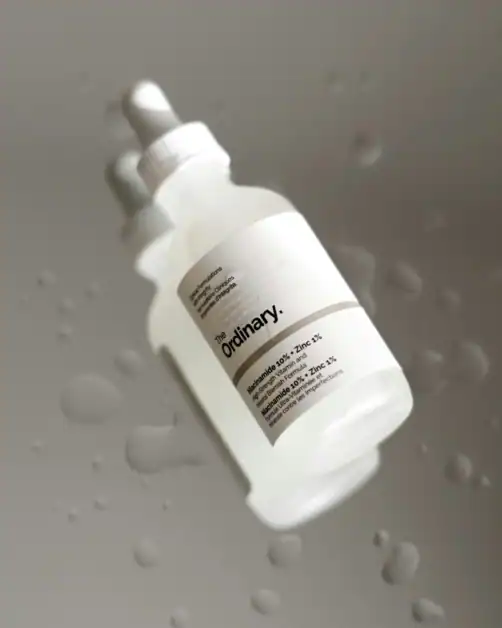
On some products you will see that they contain 2 to 5 percent niacinamide, while others go up to 10 percent like The Ordinary, and some brands even go as high as 20 percent like TIRTIR and Paula’s Choice.
But here is something interesting that I think is worth knowing. Just because a product says 20 percent on the label does not always mean that is the effective concentration your skin is actually getting. Independent analyses have shown that some products marketed at higher percentages actually contain a lower effective concentration of niacinamide. This does not mean brands are being dishonest. It comes down to how the product is formulated and how the active ingredient is delivered within the formula. So do not get too caught up in the number on the front of the bottle. What matters more is the overall formulation.
If you are curious about the actual concentration of niacinamide or any other ingredient in your products, a great tip is to check them on a website called What’s In My Jar. You can visit the website by clicking here.
As a general guide, a concentration of around 2 percent is effective for supporting the skin barrier and evening out skin tone. If you want help with acne and balancing oil production, 4 to 6 percent is the sweet spot. You do not necessarily need to go higher than that to see results.
My advice? Start with a product in the 2 to 5 percent range. Use it consistently for at least four to six weeks. If your skin loves it and you want to try a higher concentration, go ahead. But there is no need to chase the highest number on the label. A well-formulated product at 5 percent can work just as well as one at 10 percent for most concerns.
How to Use Niacinamide in Your Routine
One of the things I love about niacinamide is how easy it is to incorporate into any routine. It is not one of those ingredients that requires a complicated application process or careful timing.
Niacinamide works in both your morning and evening routine. You can use it twice a day if you want, and most skin types tolerate it perfectly fine. Apply it after cleansing and toning, and before your moisturizer. If you are using a serum with niacinamide, it fits in the serum step of your routine, after any thinner, water-based products and before anything heavier.
If your niacinamide product is a moisturizer rather than a serum, just use it where your moisturizer normally goes.
The great thing about niacinamide is that it pairs well with almost everything. You can use it alongside hyaluronic acid for extra hydration. You can use it with retinol to help counteract some of the irritation that retinol can cause. You can even use it with vitamin C, despite the old myth that these two do not work together.

If you are new to skincare and want to know how to build a simple routine, I have a guide that walks you through it step by step. You can read it by pressing the link below:
The Ultimate 5-Step Skincare Routine for Healthy, Glowing Skin
Can You Use Niacinamide with Vitamin C
This is one of the most persistent skincare myths, and I want to clear it up.
For years, people have been told that niacinamide and vitamin C cancel each other out or cause irritation and breakouts when used together. This is based on a very old study that used conditions nothing like actual skincare products. The temperatures and concentrations in that study were completely different from what you would experience using your morning serums.
In reality, modern skincare formulations are designed to work together, and using niacinamide and vitamin C in the same routine is perfectly fine for most of us. Many products even combine both ingredients in one formula.
If your skin is very sensitive and you want to be extra cautious and use vitamin C, you can use your vitamin C in the morning and niacinamide in the evening. The way to find out, is by trying.

If you want to learn more about vitamin C and how to choose the right for your skin, I have a guide on it. You can read it by pressing the link below:
Stabilized vs. Unstabilized Vitamin C: What You Need To Know
Can Niacinamide Cause Breakouts
This is something that comes up a lot, and the answer is simply that it depends.
Niacinamide itself is not comedogenic, meaning it should not clog pores. However, some of us might experience breakouts when they first start using it, especially at higher concentrations. There are a few possible reasons for this.
First, most products contain other ingredients alongside niacinamide that might not agree with your skin. So always check the full ingredient list, not just the star ingredient on the front label.
Second, if you start with a very high concentration like 10 percent, it can sometimes irritate the skin, which can trigger breakouts. Starting with a lower concentration can help avoid this.
Third, some of us experience a brief adjustment period when introducing any new active ingredient. If you notice a few small breakouts in the first week or two but your skin otherwise feels fine, it might be worth continuing for another couple of weeks to see if it settles down.
If breakouts persist beyond three to four weeks, or if they are painful or widespread, the product might not be right for your skin. Switch to a different formulation or lower concentration and see if that helps.
Niacinamide for Different Skin Types
How to use niacinamide can look a little different depending on your skin type.
If your skin is oily, niacinamide is honestly a dream ingredient. It helps regulate sebum production, minimize the appearance of pores, and provides hydration without adding any greasiness. Look for lightweight serums or gel-based moisturizers with niacinamide.
If your skin is dry, the barrier-strengthening and hydrating properties of niacinamide make it a great choice. It helps your skin hold onto moisture better by supporting the production of ceramides. Pair it with hyaluronic acid and a rich moisturizer for the best results.
If your skin is sensitive, such as mine, niacinamide is actually one of the best ingredients you can use. It is anti-inflammatory and barrier-supportive. Start with a lower concentration and see how your skin responds. Most sensitive skin types tolerate it beautifully.
If you have combination skin, niacinamide is perfect because it balances oil production without drying out the drier areas. You get the oil control where you need it and the hydration where you need it.
And if your skin is acne-prone, the anti-inflammatory and oil-regulating properties of niacinamide make it really helpful. It helps reduce the redness and inflammation associated with breakouts while also helping prevent future ones by keeping pores clean and oil balanced.
So as you can see, niacinamide really is a hero ingredient for every skin type.
How Long Until You See Results
Niacinamide is not an overnight miracle worker. Like most skincare ingredients, it works best with consistent use over time. But when you learn how to use niacinamide consistently, here is what you can expect.
For oil control and improved texture, you might start noticing a difference within two to four weeks. Your skin might feel smoother, less oily, and just more balanced.
For pore appearance and redness reduction, give it about four to eight weeks of consistent use.
For hyperpigmentation and dark spots, you are looking at eight to twelve weeks or more. Fading dark spots takes time regardless of the ingredient, so patience is key.
The good news is that niacinamide is gentle enough to use long-term without any concerns about building tolerance or needing to cycle off. It is a true everyday ingredient.
Product Formats: Where to Find Niacinamide
Once you know how to use niacinamide, the next step is choosing the right product format as niacinamide shows up in so many different product formats that you probably have more options than you realize.
Serums are the most popular format. A dedicated niacinamide serum gives you a concentrated dose that you can easily layer into your routine. This is a great option if you want to target specific concerns like pores, oil, or redness.
Moisturizers with niacinamide are a great two-in-one option. You get your hydration and your niacinamide in one step. This is perfect if you prefer a simpler routine or do not want to add extra products.
Toners with niacinamide are becoming more popular too. These tend to have lower concentrations but they prep your skin beautifully for the rest of your routine.
SPFs with niacinamide are a smart combination. You are already applying sunscreen every morning (right?!), so getting some niacinamide benefits at the same time is a nice bonus.
Sheet masks with niacinamide can give you a concentrated boost when your skin needs extra attention. Great for weekly use when you want to pamper yourself a bit.
You do not need niacinamide in every single product in your routine. One well-formulated product with a good concentration is enough. In fact, if you are getting niacinamide from three or four different products at once, you might be getting too much, which could cause irritation for some people. Pick one or two products that contain it and keep things simple.

How Niacinamide Differs to Other Popular Ingredients
Now you may wonder how niacinamide differs to some of the other popular skincare ingredients like hyaluronic acid, retinol, and vitamin C. Let me explain.
Niacinamide vs Hyaluronic Acid
Hyaluronic acid is a humectant that pulls water into the skin for hydration. Niacinamide is a vitamin that strengthens the barrier, controls oil, and reduces inflammation. They are not competing with each other. In fact, they work beautifully together. Use both if you want.
Niacinamide vs Retinol
Retinol is more targeted for anti-aging, wrinkles, and cell turnover. Niacinamide is broader and gentler. They are a great pair because niacinamide can help soothe some of the irritation that retinol causes. You can use them in the same routine, but the most common approach is to use niacinamide in the morning and retinol in the evening since retinol makes your skin more sensitive to the sun and is best used at night. And as always, SPF in the morning is a must.
Niacinamide vs Vitamin C
Both brighten the skin and fade dark spots, but they work through different mechanisms. Vitamin C is a potent antioxidant that protects against environmental damage. Niacinamide reduces melanin transfer to fade hyperpigmentation. Together, they provide complementary benefits.
The point is, niacinamide is not trying to replace any of these ingredients. It works alongside them. That is what makes it such a good team player in any routine.
Conclusion
My experience with niacinamide is that it is one of those ingredients you do not appreciate enough until you stop using it. When it is part of my routine, everything feels more balanced. My skin feels calmer, smoother, and less reactive. I tend to have sensitive and a bit reactive skin, and niacinamide has always worked well for me. But it is good to keep in mind that it is not dramatic. It is not necessarily going to give you the obvious transformation that something like retinol or retinal might. But it quietly supports your skin in ways that make everything else work better. Think of it as the most reliable team player in your routine.
It regulates oil, strengthens the barrier, reduces redness, fades dark spots, improves texture, and plays well with almost every other ingredient. It works for all skin types. And it is backed by decades of research.
If you are looking for one ingredient to add to your routine that will make everything work a little better, now you know how to use niacinamide. Give it time, be consistent, and let it do its thing.
If you want help figuring out what your skin actually needs right now, download my free Glow Ritual Guide. It walks you through gentle rituals for different skin moods and helps you build a routine that adapts to how your skin feels at the moment.