The Ultimate Guide to Korean Skincare: Why It’s Loved Worldwide and How to Start
What if I told you radiant, healthy skin doesn’t have to be complicated? Enter Korean skincare, a global phenomenon captivating beauty lovers everywhere. From cutting-edge ingredients like snail mucin to a gentle, hydration-focused approach, K-beauty has redefined how you care for your skin.
In this blog post, I’ll walk you through everything you need to know about the 10-Step Korean Skincare Routine, from its core philosophy to its beloved multi-step process. Whether you’re entirely new to the concept or a seasoned skincare enthusiast, you’ll learn why it’s so effective and how to create your very own routine.
Let’s dive in and uncover the secrets behind the dewy, glass-like skin that makes K-beauty so iconic!
Why Korean Skincare is Globally Loved
Korean skincare isn’t just a routine; it’s a philosophy of self-care and prevention. While many beauty trends focus on quick fixes, the 10-Step Korean Skincare Routine emphasizes consistent, gentle care that nurtures your skin over time. Below I’ve listed some of the main things that set K-beauty apart from others:
Innovative Ingredients
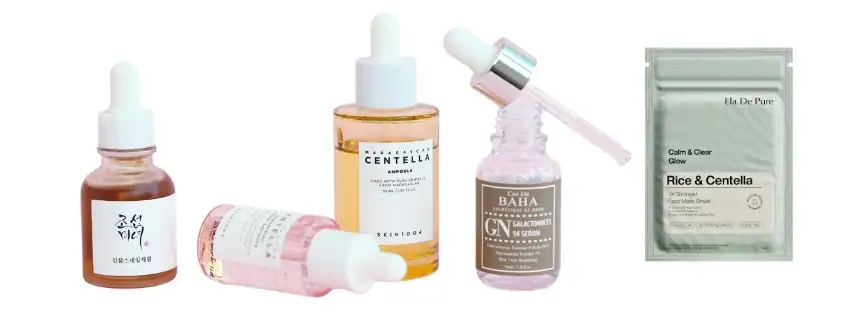
Think snail mucin, propolis, and centella asiatica, ingredients that are game-changers in soothing, repairing, and hydrating the skin.
Customizable Routines
While the 10-Step Korean Skincare Routine is famous, it’s also flexible. You can tailor it to suit your unique needs, whether you prefer to start with just one step, a minimalist 5-step process, or enjoy indulging in every step.
Focus on Hydration
At its core, Korean skincare prioritizes hydration for a healthy, plump, and youthful complexion.
Affordable Yet Effective
K-beauty brands are renowned for offering high-quality products at affordable prices, making them accessible to everyone.
The Korean Skincare Routine Explained (10 Steps)
The 10-step Korean skincare routine might sound overwhelming, but it’s incredibly flexible. You don’t need to follow all 10 steps daily; consider it rather as a menu of options to mix and match based on your skin’s needs.
1. Oil Cleanser
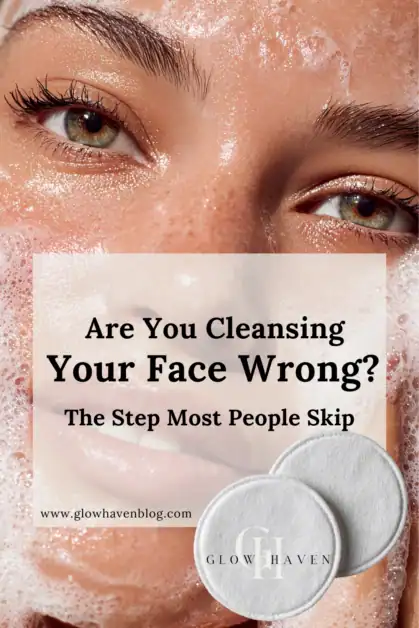
If there’s one rule in Korean skincare that you absolutely shouldn’t skip, it’s double cleansing, and it all starts with an oil cleanser. If you’ve never tried it before, get ready for a game-changer.
This is the first and most important step in the Korean double cleansing method, a staple in every K-beauty routine. An oil cleanser effortlessly melts away sunscreen, makeup, and excess sebum, and other impurities that water-based cleansers simply can’t break down, without disrupting the skin’s natural balance. Oil cleanser helps unclog pores without drying out your skin.
You don’t have to use a traditional cleansing oil if you don’t like the feel of oil on your skin. Oil cleansers come in different forms, such as liquid oils, cleansing balms, and even oil-to-milk formulas, so you can choose what works best for your skin. No matter the texture, the key is that it should be an oil-based cleanser.
Oil cleansers break down oil-based impurities, but to ensure every last trace is gone, they’re followed up with a water-based cleanser.
2. Water-Based Cleanser
After using an oil cleanser to remove makeup, sunscreen, and excess sebum, the next essential step in the 10-step Korean skincare routine is using a water-based cleanser. This step ensures that sweat, dirt, and any remaining debris are washed away, leaving your skin fresh and prepped for the following treatments.
Unlike harsh foaming cleansers that can often strip the skin, K-beauty focuses on hydrating, low-pH cleansers that cleanse without disrupting the skin barrier. A good water-based cleanser should ideally have a pH between 5.0 and 6.0, which is close to your skin’s natural pH, helping to keep your barrier strong and healthy.
Avoid sulfates like SLS (sodium laurel sulfate), which can be overly drying and irritating. Instead, look for hydrating ingredients like hyaluronic acid, rice extract, or centella asiatica to maintain moisture levels.
This two-step method is especially beneficial if you wear sunscreen daily (which you should!) or use long-wearing makeup. If you’ve ever felt like your cleanser isn’t doing enough, double cleansing could be the game-changer your skin needs.
Now, I want to highlight that even if you do not wear makeup during the day, cleansing your skin in the evening is still essential. Throughout the day, impurities such as pollution, dust, and environmental particles settle on the skin, even when you cannot see them.
If skin barrier health is new to you, this skin barrier guide explains what it is, why it matters, and how it can influence how your skin behaves throughout the day.
The complete skin barrier guide goes deeper into this topic.
3. Exfoliator (1-2 times per week)
Exfoliating is essential for glowing skin, but the Korean approach is way gentler than the harsh scrubs you might be used to. Instead of stripping the skin, K-beauty focuses on exfoliating while still protecting the skin barrier.
Exfoliation is all about revealing fresh, radiant skin, but here’s where K-beauty does things differently: instead of scrubbing your face raw, Korean exfoliators are all about barrier-friendly exfoliation.
Rather than harsh physical scrubs, use enzyme exfoliants, PHA toners, or rice-based powders to gently slough off dead skin without irritation. The result? Smooth, bright skin, without the redness or sensitivity.
Regular exfoliation helps to remove dead skin cells, unclog pores, and boost skin renewal, leading to a brighter, smoother complexion. However, over-exfoliation is a major no-go in K-beauty because it can weaken the skin barrier, leading to irritation and dehydration. Stick to 1-2 times per week.
Never exfoliate on the same day as retinol or strong actives. Give your skin time to recover. Korean skincare is all about protecting your skin barrier, so you definitely do not want to go in with too harsh exfoliators.
4. Toner
Forget the old-school, alcohol-based toners that strip your skin. In Korean skincare, toners are hydrating and soothing, designed to restore balance and boost moisture levels. Think of them as the first real drink of water your skin gets after cleansing.
Toners also help prep your skin for the rest of your routine, allowing serums and moisturizers to absorb more effectively. For an extra hydration boost, try layering toner multiple times, a popular K-beauty trick where you apply toner in thin layers to maximize hydration.
5. Essence
While your skin is still damp from your toner, use a lightweight essence as a hydrating layer that boosts moisture and skin repair. Pat it in gently for better absorption.
6. Serum
Targets specific skin concerns, including dark spots, fine lines, dehydration, and acne. Match your serum to your skin’s current needs, such as a Vitamin C serum for brightening, hyaluronic acid for moisture, or niacinamide for oil control.
7. Sheet Mask (1-2 times per week)
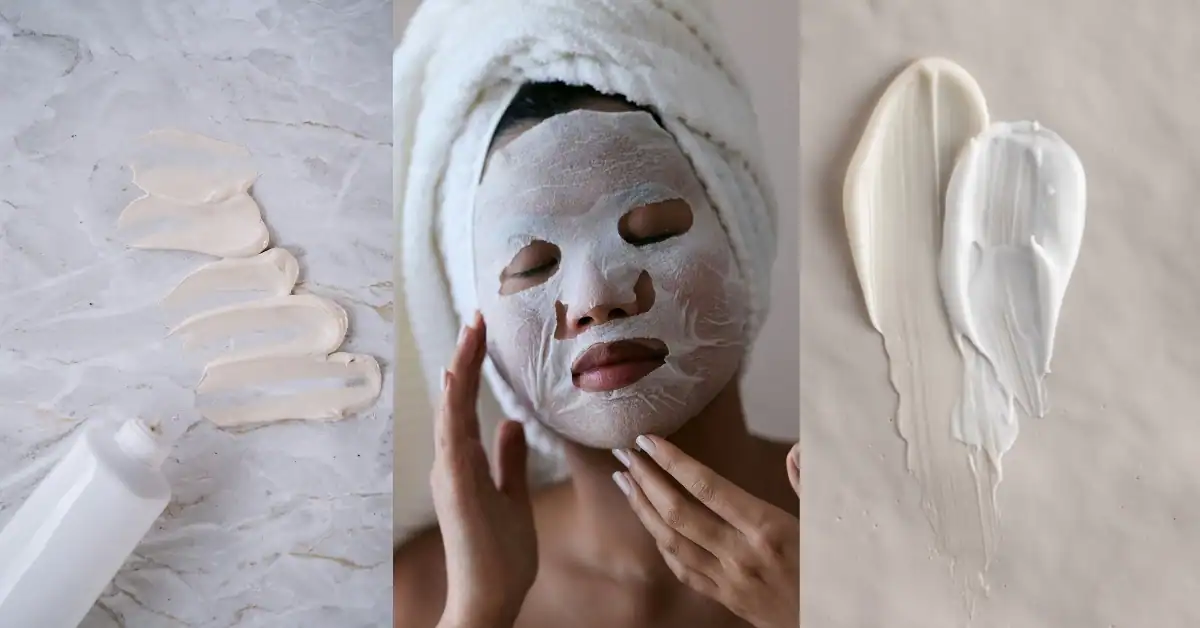
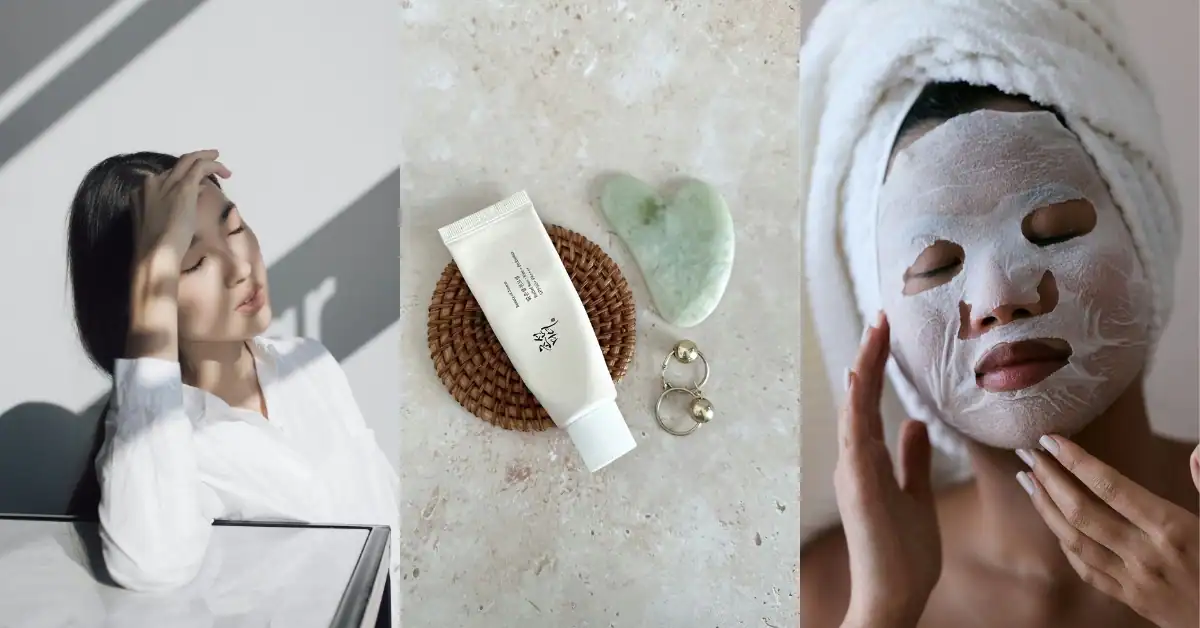
A sheet mask is not an everyday step, but it’s a perfect self-care treat when your skin needs extra hydration and nourishment. For example, use it the same day you exfoliate your skin to give it an extra boost of hydration. These masks are drenched in serums packed with antioxidants, vitamins, and calming extracts.
To maximize the benefits, chill your sheet mask in the fridge before applying for a cooling effect. And don’t let it dry out on your skin; once it starts feeling dry, remove it to avoid moisture loss.
8. Eye Cream
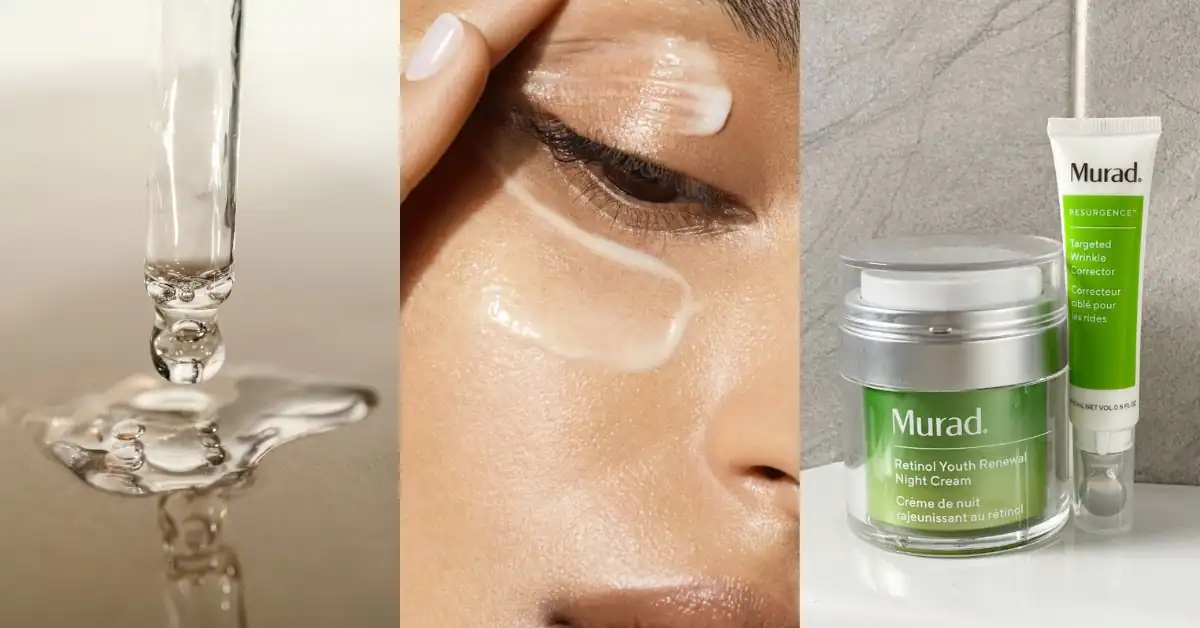
Hydrates and protects the delicate eye area. Apply eye cream along the orbital bone, meaning just below the eye bags and just under the eyebrows, not directly on the lash lines or the moving eyelid, and let it migrate naturally. Use your ring finger to gently tap it in without tugging. The moving eyelid skin is the thinnest skin on the face, and eye cream naturally moves as the skin warms up. If you apply it too close to the eyes, it can travel into the eyes and cause irritation or puffiness. By applying it slightly further away, the product still reaches the eye area safely and effectively.
9. Moisturizer
Helps seal in the hydration you have added and supports the skin barrier. Choose a lightweight gel for oily skin or a richer cream for dry skin.
10. Sunscreen
The most important step for the day! Protects your skin from harmful UV rays and prevents premature aging. Reapply every 2-3 hours when outdoors.
How to Personalize Your Routine
One of the reasons Korean skincare stands out is its versatility. You don’t have to stick to a rigid 10-step routine. For instance, if your skin feels extra oily, you might skip the sheet mask. If it’s feeling dry, you can double up on essence and moisturizer. The key is to listen to your skin and give it what it needs.
The Science Behind K-Beauty’s Success
K-beauty’s emphasis on hydration and barrier health is backed by science. A well-hydrated skin barrier doesn’t just look good, it’s more resilient against external irritants like pollution and harsh weather. This philosophy is why so many K-beauty products focus on ingredients like hyaluronic acid, ceramides, and probiotics.
Did you know that snail mucin, one of K-beauty’s most famous ingredients, is packed with proteins, glycolic acid, and elastin? It’s like a superfood for your skin, boosting hydration and promoting repair.
Conclusion
Korean skincare isn’t just a trend; it’s a lifestyle. It’s about slowing down, taking the time to care for your skin, and embracing the journey to healthier, glowing skin. Whether you’re diving into the 10-step routine or just incorporating a few steps into your current routine, the magic of K-beauty is its ability to adapt to your needs.
So, are you ready to start your K-beauty journey? Trust me, your skin will thank you.