
Moisture Sandwich Skincare: What It Is and How to Do It
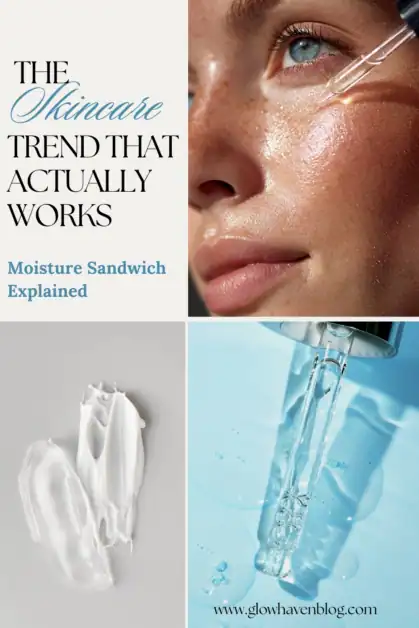


A Simple Skincare Technique That’s Taking the Beauty World by Storm
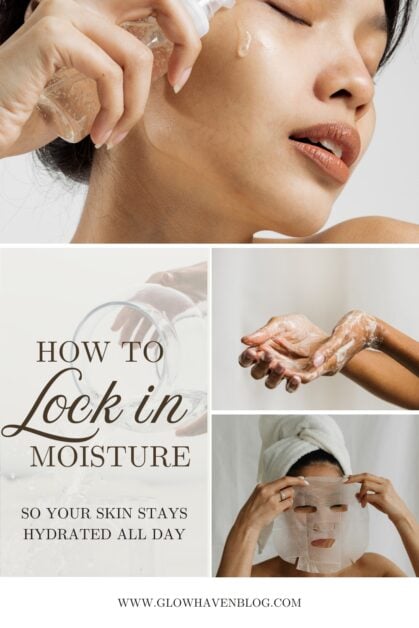
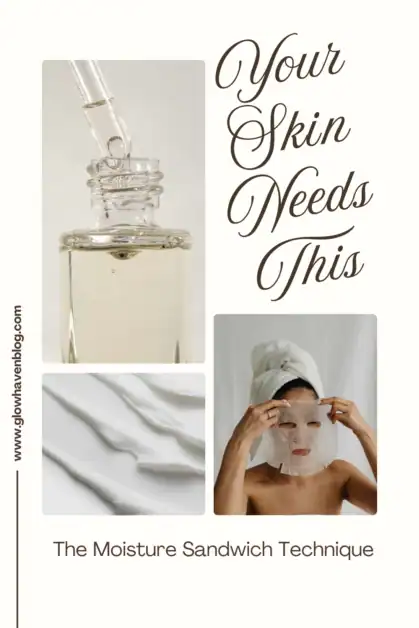
If your skin has been feeling tight, dehydrated, or just… meh, the moisture sandwich technique might be the one thing your routine has been missing. Loved by skincare experts and trending across social media, this simple method layers hydration in a strategic way that leaves your skin plump, dewy, and deeply nourished for longer.
In this post, you will learn exactly what the moisture sandwich is, why it works, how to do it, who it is best for, and the mistakes to avoid for the healthiest glow.
Let us dive in.
What Is the Moisture Sandwich?
If you are passionate about skincare, you may have noticed the term “moisture sandwich” appearing across social media, beauty blogs, and skincare forums. It is one of those techniques that sounds playful but has a surprisingly thoughtful purpose behind it.
But what exactly is it and how can you incorporate it into your daily routine?
At its core, the moisture sandwich is about layering hydration in a way that mimics what the skin naturally needs. Instead of relying on a single moisturizer to do all the work, this method creates a small sequence of hydration that stays in place much longer than a single product ever could. The result is soft, calm, radiant skin that holds on to moisture rather than losing it throughout the day.
The Science Behind the Moisture Sandwich
The moisture sandwich is a method of layering hydrating products to seal in moisture and prevent water loss from the skin. The idea is to trap hydration by applying products in a specific order, so that each layer works together to lock in moisture, so that your skin can stay moisturized all day.
To understand why this technique works, it helps to know a little about the skin itself. The skin constantly loses water through a natural process called transepidermal water loss. This is normal. However, when the air becomes cold, windy, or dry, water evaporates even faster. Indoor heating in winter can make the skin feel tight within minutes, even after applying a good and rich moisturizer earlier.
A useful way to imagine it is to think of hydration as steam rising from a warm pot. Without a lid, the steam quickly disappears. With a lid, the moisture stays inside and creates a warm, nourishing environment. Your skin behaves in a very similar way. When you seal the hydration with a moisturizer, you allow the deeper layers of your skin to stay supple and supported throughout the day.
This is also why the technique becomes especially helpful during colder months or in dry environments where the skin loses moisture more quickly. By adding hydration first and then sealing it, you give the skin a better chance to hold onto moisture. The moisture sandwich often makes the skin feel softer, smoother, and more resilient, even after just a few uses.
How to Create a Moisture Sandwich
Building a moisture sandwich is simple, but the order makes all the difference. If you are using actives such as vitamin C or retinol, apply those first on clean, dry skin. Once they have absorbed, you can begin your moisture sandwich. If you are not using any actives, you can start the moisture sandwich immediately after cleansing.
To get started, lightly mist your skin or add a small amount of water with your hands. If you have not used any actives prior you can also leave your face a bit wet after cleansing. This brings back that first layer of hydration and ensures the water based ingredients you apply next have something to work with.
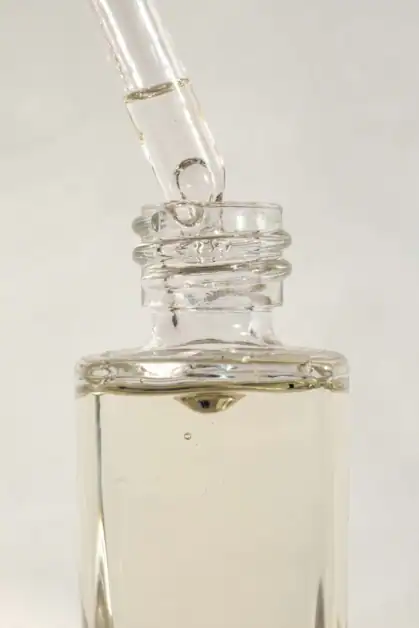
Once your skin feels comfortably damp, apply a water based serum or essence containing humectants such as hyaluronic acid, glycerin, aloe vera, panthenol, or beta glucan. These ingredients pull water toward the skin and help create the soft, cushiony feeling the moisture sandwich is known for.
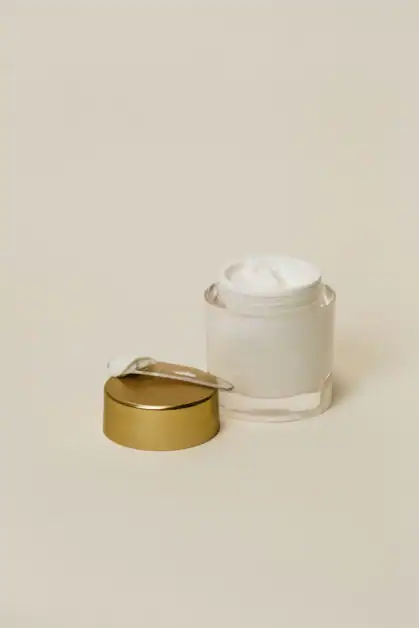
Once your serum has settled, follow with a moisturizer. This step creates the seal that keeps the hydration from evaporating too quickly. Choose a cream texture that suits your skin’s needs. Gel creams feel refreshing and light, while richer creams offer more comfort for drier or more sensitive skin. If your skin needs extra nourishment, you can press a tiny amount of a facial oil on top of your moisturizer at night.
This sequence helps the skin maintain its moisture balance for longer and supports the barrier in a simple but meaningful way. If you want to learn more about keeping your barrier strong, you can read my guide on the skin barrier here.
Why Should You Try the Moisture Sandwich?
By layering hydration in this way, you help the skin retain water more effectively, which makes the moisture sandwich particularly useful for dryness, dullness, irritation, and a weakened barrier. The technique supports the skin by giving it what it often lacks most: consistent hydration.
A major advantage of the moisture sandwich is its flexibility. You can tailor it to your skin type by choosing lighter products if your skin becomes oily or congested, or richer creams if your skin feels tight or reactive. This adaptability makes it suitable for both simple and more advanced routines.
The technique is also helpful in situations where the skin loses moisture more easily. Winter air, indoor heating, long days outdoors, sun exposure, or periods of stress can all leave the skin feeling depleted. The moisture sandwich helps restore comfort and balance in these moments.
Another reason to consider this method is its impact on makeup and active ingredients. Hydrated skin reflects light more evenly, allowing makeup to sit smoothly without clinging to dry areas. If you use actives such as retinol or vitamin C, the moisture sandwich can also support your barrier and reduce the chance of irritation.
Tips for the Best Results
For the best results, always choose products that suit your skin type to avoid clogged pores or irritation. If you use potent actives such as retinol or vitamin C, make sure to apply them before starting your moisture sandwich routine. Do not forget your neck and décolletage. These areas often show dryness before the face does, and a gentle moisture sandwich there can make the skin feel soft and cared for.
The moisture sandwich can be adapted to your routine, and many find it most effective in the evening when the skin can recover without exposure to cold air, wind, or makeup. During colder months or when indoor heating is strong, the method can feel especially helpful for maintaining a comfortable moisture balance throughout the day. Or why not do it day and night. Choose what works best for you.
It is also useful to consider how your skin type responds. Oily or combination skin often feels best with lighter products, while dry or sensitive skin tends to benefit from products with a richer consistency. Keeping the routine simple usually works well for reactive skin, since too many products can overwhelm the barrier.
There are a few common mistakes worth avoiding. Using products that are too heavy for your skin type can lead to congestion, while over exfoliating can make the barrier more fragile and less able to hold moisture. Allowing each layer to settle before applying the next prevents pilling and helps the products absorb evenly.
If you ever feel that your serum makes your skin feel tight, especially serums with hyaluronic acid, it is usually because the skin was too dry when you applied it or because you did not seal it with a moisturizer. The moisture sandwich naturally solves this issue and helps the skin stay comfortable.
Conclusion
The moisture sandwich is a straightforward and comforting way to elevate your skin’s hydration levels. With just a few thoughtful layers, you can transform the way your skin feels and create a long lasting glow that does not fade halfway through the day. It is gentle, customizable, and effective for every skin type. Whether your skin feels dull, tight, or simply in need of a little extra attention, this method may become the part of your routine you enjoy the most.
Try it for yourself and notice how a small, intentional shift can bring softness and balance back to your skin. And remember, consistency is the key.
If you try the moisture sandwich, I would love to hear how it feels on your skin. You are welcome to share your thoughts or ask questions in the comments below.