
Prebiotics, Probiotics and Postbiotics for Skin: What They Are and How They Work
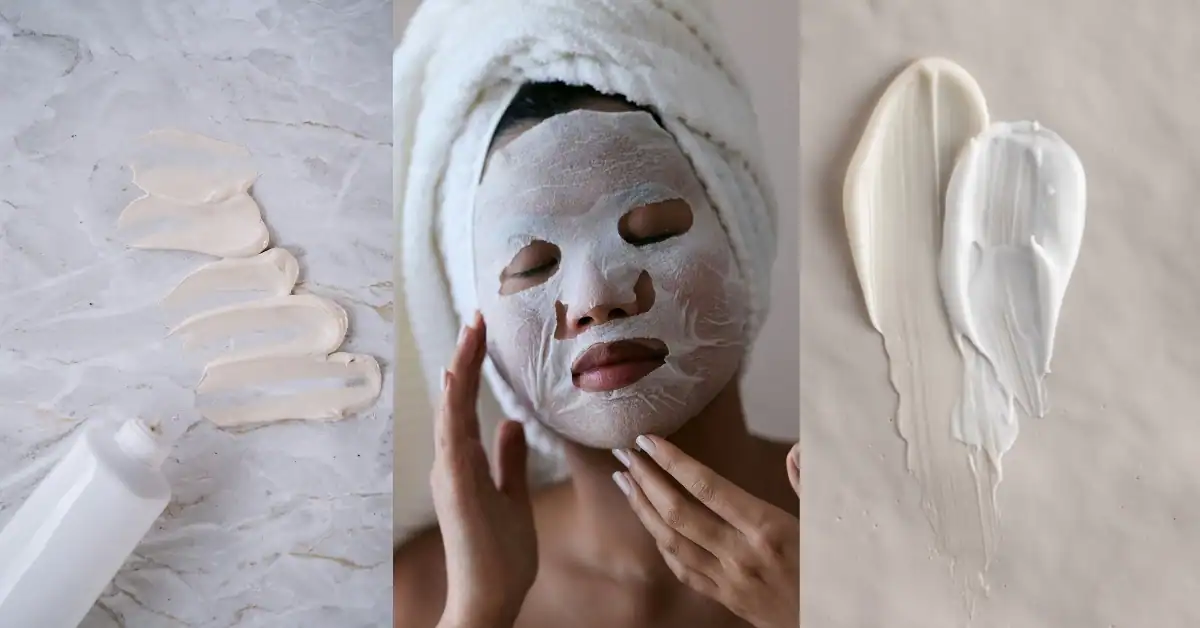
Prebiotics. Probiotics. Postbiotics. Words that used to belong in the supplement aisle are now on the labels of serums, cleansers, and moisturizers. If you have been wondering what prebiotics for skin actually means, or how probiotics and postbiotics fit into your skincare routine, this post is for you.
Because honestly, it can feel a little confusing. What do these ingredients actually do for your skin? Are they worth the hype? And what is the difference between them?
I wanted to write about this because I think it is one of the most interesting shifts happening in skincare. The truth is, some brands have been working with microbiome-friendly formulations for years already, but it is only recently that it has become a bigger conversation in mainstream skincare. And I think that is a good thing. For a long time, the focus has been on actives like retinol, vitamin C, and exfoliating acids. Those ingredients work, are incredible and do wonders. But now the skincare world is starting to look deeper. It turns out that healthy skin is not just about what you put on it. It is about what lives on it.
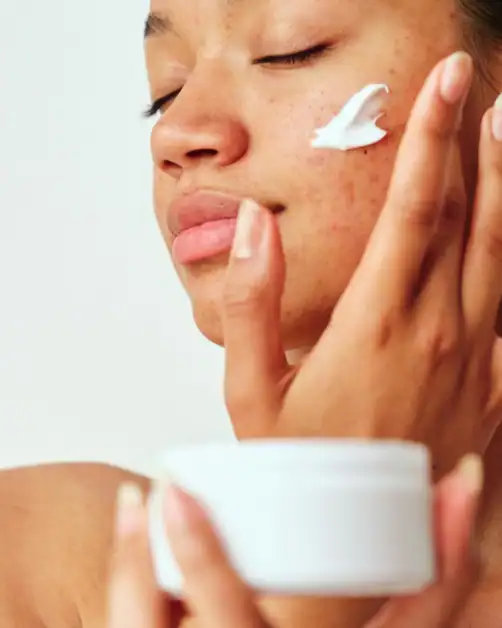
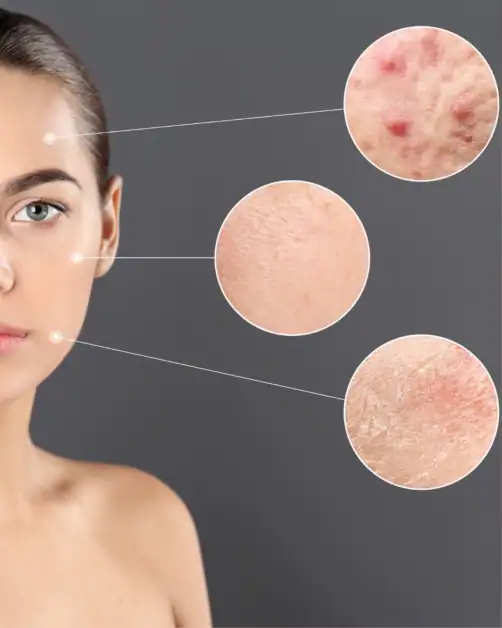
Your skin has its own ecosystem. A whole community of bacteria, fungi, and microorganisms that live on its surface. And when that ecosystem is balanced, your skin tends to look and feel its best. When it is disrupted, things start going sideways. Redness. Sensitivity. Breakouts. Dryness that will not go away no matter how much moisturizer you use. So, if it feels like I’m talking about what you experience, you need to keep on reading.
That is where prebiotics, probiotics, and postbiotics come in. They work with your skin, not against it. And understanding how they function can completely change the way you approach your routine.
What Is the Skin Microbiome
Before we get into the ingredients, let me explain what the skin microbiome actually is.
Your skin is home to trillions of microorganisms. Bacteria, viruses, fungi, and other tiny living things that form a complex ecosystem on your skin’s surface. Now this is your skin microbiome, and it plays a much bigger role in your skin’s health than most of us realize.
A balanced microbiome helps protect your skin from harmful bacteria and irritants, supports the skin barrier, regulates inflammation, and even influences how your skin heals. When the microbiome is disrupted, either by harsh products, over-cleansing, environmental stress, or even lifestyle factors, it can lead to different skin concerns.
If this helps understanding (it did for me), think of it like a garden. When everything is in balance, the good plants flourish and the weeds stay under control. When something disrupts that balance, whether it is over-watering, harsh chemicals, or just not paying attention, the weeds take over and the whole garden suffers.
This is why more and more skincare brands are focusing on prebiotics for skin and other microbiome-friendly formulations. Instead of just treating symptoms, these products aim to support the underlying ecosystem that keeps your skin healthy in the first place.
What I find really fascinating is how this connects to the bigger picture of skin health. We have been so focused on adding things to our skin, more actives, more products, more steps, that we sometimes forget the importance of supporting what is already there. Your microbiome has been taking care of your skin since the day you were born. Maybe it is time we start taking care of it back.

What Are Prebiotics in Skincare
So, let’s begin with prebiotics. Prebiotics are ingredients that feed the good bacteria already living on your skin. They do not contain live bacteria themselves. Instead, they create the right environment for beneficial microorganisms to do their thing.
Again, if this helps, think of prebiotics as the fuel for your skin’s garden. They nourish the good stuff so it can do its ”job” properly.
Common prebiotic ingredients in skincare include oat extract, thermal spring water, certain plant sugars like inulin and fructooligosaccharides, chicory root extract, and various botanical extracts. You might already be using products with prebiotics without even knowing it.
Prebiotics are generally very gentle and well tolerated by most skin types. So if your skin is sensitive, reactive, or prone to inflammation, they are a great option, because they support balance without introducing anything aggressive.
One thing I really admire about using prebiotics for skin is that it aligns with a less-is-more philosophy. Instead of adding more powerful actives to your routine, you are simply supporting your skin’s natural processes. So if you feel overwhelmed by the idea of complicated routines with multiple acids and treatments, or just want a simple routine, prebiotic-focused products can be a refreshingly simple and not to mention, effective approach.
Brands like La Roche-Posay have been incorporating prebiotic thermal water into their formulations for years, which is one of the reasons their products tend to work so well for sensitive and reactive skin. If you have ever used a La Roche-Posay product and wondered why it calmed your skin so effectively, the prebiotic component is most likely part of the answer.
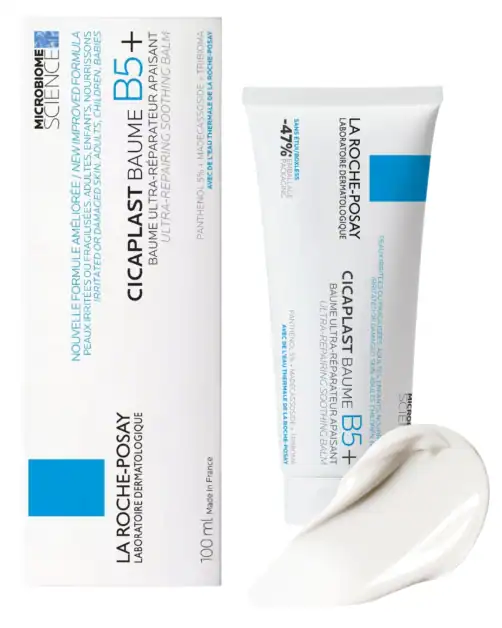
One product I have personally tried and loved is the La Roche-Posay Cicaplast Baume B5+. It contains their Tribioma complex, which is a prebiotic ingredient blend designed to support the skin’s microbiome, along with madecassoside from centella asiatica, which is also a very popular ingredient in K-beauty, and vitamin B5 to calm and repair the skin. It also contains Vitreoscilla ferment, which is actually a postbiotic, so you are getting both prebiotic and postbiotic benefits in one product. Amazing!
What I love about it is how immediately soothing it feels. If your skin is dry, irritated, or just having a bad day, this balm calms everything down. It works on your face, body, and even lips, which makes it incredibly versatile. And it is very affordable, which is always appreciated, right?
You do not need to spend a fortune to support your skin’s microbiome. Some of the best microbiome-friendly products on the market are accessible at drugstore prices, and this one is a perfect example of that. If you want to try it, I have linked the Cicaplast Baume B5+ here.
What Are Probiotics in Skincare
Probiotics are the actual beneficial microorganisms. In gut health, these are the live bacteria you find in yogurt, kefir, and fermented foods. In skincare, the concept is similar, but the application is a little different.
Most probiotic skincare products do not actually contain live bacteria, and just like prebiotics, they do not need to. The reason is pretty simple, live bacteria are sensitive to heat, light, and even to ingredients that keep your skincare products fresh and safe to use, like parabens or sodium benzoate. So keeping them alive in a jar sitting on your bathroom shelf for months is really hard to do.
Instead, many brands use something called probiotic “lysates” or “fermented” extracts. And before you google those, let me explain.
Fermented means that an ingredient has gone through a process where bacteria break it down, kind of like how milk turns into yogurt. During that process, the bacteria create new beneficial compounds that were not there before.
Lysates are what you get when those beneficial bacteria are broken down into tiny pieces. The bacteria themselves are no longer alive, but the helpful parts they leave behind, the compounds, the nutrients, the good stuff, are still there and still effective. So basically, your skin gets the benefits of probiotics without needing the actual live bacteria to survive in the product.
In other words, these lysate and ferment ingredients can help calm inflammation, support the barrier, and promote a more balanced skin. The science around live probiotics in skincare is still developing and getting more exciting every year. But for now, most products use lysates or fermented ingredients, and they can still be very effective.
Probiotic skincare can be especially beneficial if you deal with redness, sensitivity, rosacea, or eczema. Your skin microbiome might not be as balanced as it could be, which means that giving it some extra love could really make a difference.
And if your skin is constantly dry or irritated and no moisturizer seems to help no matter what you try, it might be worth looking into products with probiotic ingredients. Sometimes the solution is not a stronger product but a more supportive one.
It is worth noting that while microbiome skincare has been around for a while, the research on topical probiotics specifically is still growing compared to something like retinol, which has been studied for decades. But the early results are genuinely promising, and honestly I think this is going to be one of the biggest areas of growth in skincare over the next few years.
What Are Postbiotics in Skincare
So if prebiotics are the food and probiotics are the bacteria, what are postbiotics?
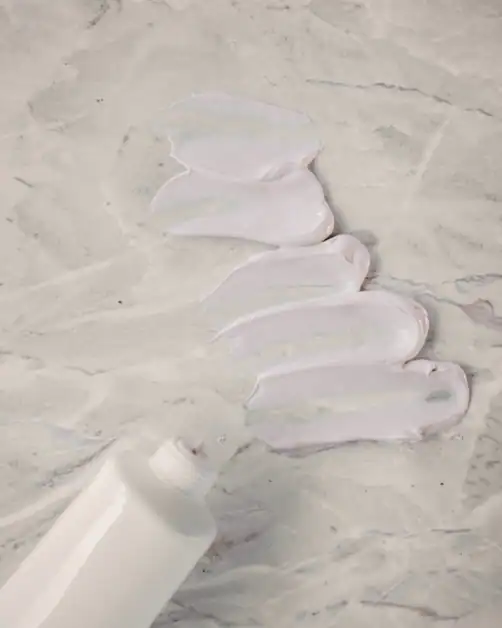
Simply put, postbiotics are the good stuff that bacteria produce when they do their work. When beneficial bacteria break down ingredients, they create all kinds of helpful compounds along the way. Those compounds are postbiotics.
What makes postbiotics great for skincare is that they are easy to use in products. Remember how I said live probiotics are hard to keep alive in a jar? Postbiotics do not have that problem. They work just as well whether you just opened the product or have been using it for months. And they are great at soothing irritation and helping your skin stay strong and protected, which is honestly a pretty impressive combo.
You might have already used postbiotics without knowing it. If you have ever seen “ferment filtrate” or “ferment lysate” on an ingredients list, that is a postbiotic. They are more common than you think, especially in Korean skincare.
One of the most well known examples is “galactomyces ferment filtrate”, which is basically an ingredient made by fermenting yeast. I know that sounds a little strange, but think of it like this, just like fermenting grapes creates wine with properties that plain grapes do not have, fermenting yeast creates new skincare compounds that the original ingredient alone could not deliver. The fermentation process transforms the ingredient into something your skin can absorb and benefit from more easily. Fermented ingredients often contain smaller molecules of vitamins and amino acids that can go deeper into the skin, which is why fermented products tend to feel so hydrating and soothing almost right away.
Another one you might come across is “bifida ferment lysate”, which is popular in products from brands like Estée Lauder and a lot of K-beauty essences and serums. It helps repair and protect the skin barrier while also giving your skin antioxidant support.
So what can postbiotics actually do for your skin?
They help strengthen the barrier, calm irritation, improve hydration, reduce the look of fine lines, and make your skin more resilient overall. And the best part is that they are gentle enough for even the most sensitive skin and work beautifully alongside other ingredients in your routine.
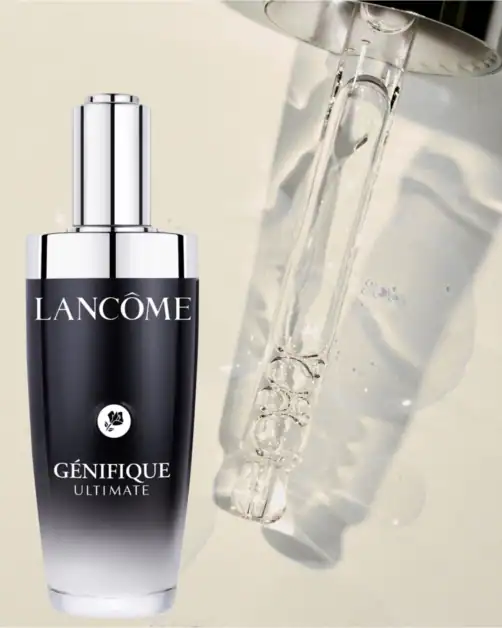
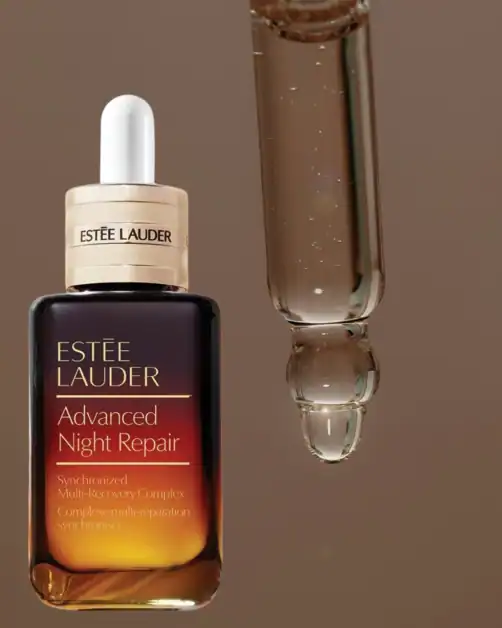
Two great examples of postbiotics in skincare are Estée Lauder Advanced Night Repair and Lancôme Advanced Génifique. I have used both of these and genuinely love them. They are on the pricier side, but there is a reason for that. For example, in both Estée Lauder Advanced Night Repair, and Lancome Advanced Génifique, ‘bifida ferment lysate’ is the second ingredient on the INCI list, which means there is a high concentration of it in the formula. On your skin, it helps with hydration, strengthening the barrier, and smoothing out the overall texture.
If you want to try a more affordable option, the Medicube AGE-R Glutathione Glow Serum, is a great alternative as well. It also includes bifida ferment lysate, alongside other powerful ingredients such as Niacinamide and Hyaluronic acid. It gives the beautiful glow effect and still gentle for the skin.
Prebiotics, Probiotics and Postbiotics for Skin: What Is the Difference
Here is the simplest way to think about it.
Prebiotics are the food. Probiotics are the workers. Postbiotics are what those workers produce.
They all work together in a cycle, and you do not necessarily need all three in your routine. Even one can make a meaningful difference. But understanding how they connect helps you make better choices about what you put on your skin.
The good news is that many products already combine two or even all three in a single formula, so you do not need to overthink it. One well-formulated product can cover a lot of ground.
Who Benefits Most from Microbiome Skincare
Honestly, almost anyone can benefit from using prebiotics for skin health, along with probiotics and postbiotics. But there are some skin types and concerns where these ingredients can be especially impactful.
If your skin is sensitive or reactive and seems to flare up from almost everything, I would go for microbiome-friendly products as they can help calm things down without adding more irritation. Instead of trying to fight your skin with stronger and stronger products, you are supporting its natural defense system. This is a fundamentally different approach, and for many, it is the missing piece.
If your skin is prone to redness, rosacea, or eczema, supporting the microbiome can address some of the underlying imbalances contributing to those conditions. It does not necessarily mean microbiome products will cure them, but they can definitely help alongside the rest of your routine.
If you have been using a lot of strong actives like retinol, AHAs, or BHAs, and your skin is feeling a bit depleted or irritated, your microbiome might be disrupted. Adding prebiotics or postbiotics to your routine can help restore balance while you continue using your actives. Think of it as giving your skin some recovery support.
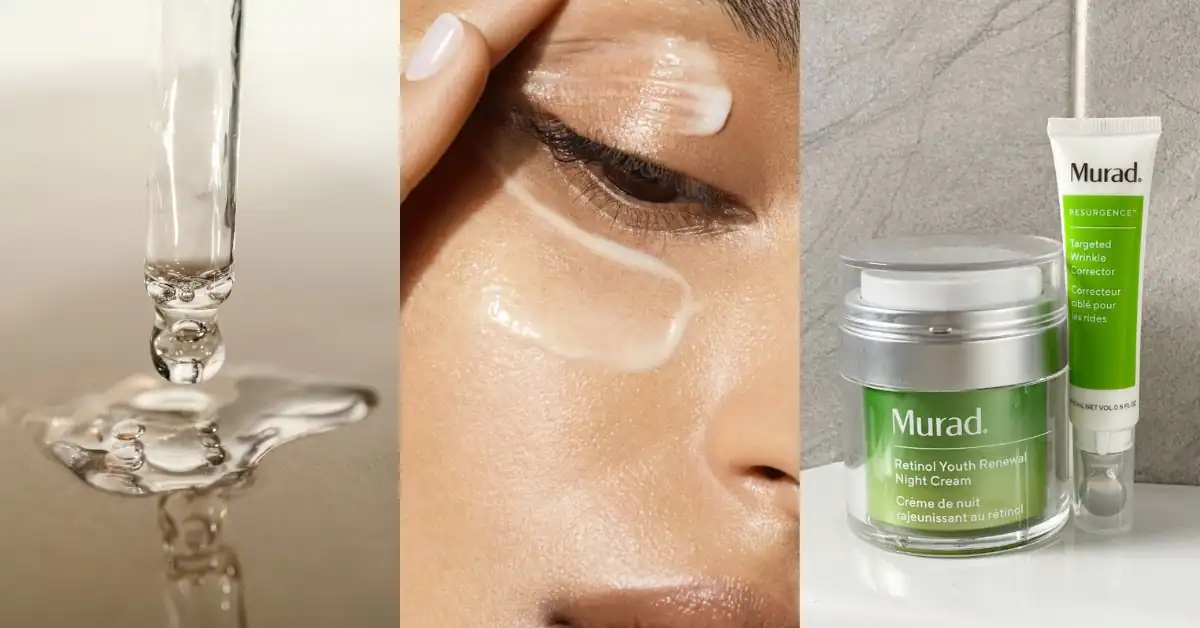
Want to know the difference between retinol and retinal? I have a full guide breaking it down. Read more by pressing the link below:
If your skin just feels off and you cannot quite figure out why, if nothing you try seems to help and your skin is not responding to products the way it used to, it might be worth looking at your microbiome.
And if you are someone who prefers a simpler, gentler approach to skincare in general, microbiome-friendly products align perfectly with that philosophy. They are about supporting your skin rather than forcing changes upon it.
How to Use These Ingredients in Your Routine
The good news is that getting started with prebiotics for skin does not mean buying a whole new set of products. Prebiotics, probiotics, and postbiotics show up in all kinds of everyday skincare, cleansers, toners, serums, moisturizers. And many products already combine two or even all three, so one good product can be enough.
If you are not sure where to start, try swapping your current cleanser or moisturizer for one that contains prebiotic or postbiotic ingredients. That way you are not changing your whole routine, just upgrading one step.
Actually, one of the best things you can do for your microbiome is completely free. Stop over-cleansing. Washing your face too often, using harsh cleansers, or using water that is too hot strips away the good bacteria along with the dirt. A gentle cleanser twice a day is all your skin really needs.
Want to learn more about how to protect your skin barrier? Read more by pressing the link below:
The Gut-Skin Connection
You might be wondering if gut health and skin health are connected. The short answer is yes.
Your gut and your skin are more connected than you might think. When your gut is out of balance, it can cause inflammation in your body, which often shows up on your skin as breakouts, redness, sensitivity, dullness, or congestion.
I have written a separate post about gut health and skin if you want to dive deeper into that connection. Read more by pressing on the link below:
This is why many people notice improvements in their skin when they start paying attention to their diet, adding fermented foods like yogurt, reducing processed sugar and alcohol, increasing fiber intake, or taking targeted probiotic supplements. The connection is real, and it works in both directions.
Taking care of your gut through a balanced diet, fermented foods, and appropriate supplements supports your skin from the inside out. And using prebiotics for skin along with other microbiome-friendly skincare supports it from the outside in. The two approaches complement each other beautifully, and combining both gives you the best chance at truly healthy, resilient skin.
Things to Keep in Mind
While using prebiotics for skin and other microbiome-friendly ingredients has been around for a while, the science is still evolving and there is a lot we are still learning about how the skin microbiome works and how best to support it.
Be cautious about products that make very specific or dramatic claims about “completely rebalancing” or “restoring” your microbiome overnight. The science is far too complex for any single product to achieve that. What well-formulated products can do is create a more supportive environment for your skin’s natural processes, and that in itself is valuable.
Also, not every product that says “probiotic” or “microbiome-friendly” on the front actually delivers. Some brands use it as a marketing buzzword without much to back it up. My tip? Flip the bottle around and check the ingredients list. Look for things like ferment filtrates, lysates, or specific prebiotic ingredients rather than just trusting what the front label says.
As always, give new products time to work. You are not going to see dramatic results overnight. Microbiome skincare is about long-term support, not instant transformation. Give it at least four to six weeks of consistent use before evaluating whether it is making a difference for your skin.
And remember that your skin microbiome is influenced by many factors beyond skincare products. Sleep quality, stress levels, diet, hydration, environment, medications, and even the climate where you live all play a role. A holistic approach that considers all of these factors will always give you the best results.
Conclusion
Prebiotics for skin, along with probiotics and postbiotics, represent a more gentle, holistic, and honestly more intelligent approach to skincare. Instead of fighting your skin with increasingly aggressive actives, these ingredients work with your skin’s natural ecosystem to create balance, calm inflammation, and support the barrier.
They are not a replacement for ingredients like retinol or vitamin C. They are a complement to them. And for anyone whose skin feels sensitive, reactive, or just stubbornly out of balance despite trying everything, they can be a really meaningful addition to your routine.
Start simple. Be gentle with your skin. Support what is already there. And trust that sometimes the most powerful thing you can do is stop fighting your skin and start working with it. Your microbiome has always been there doing its job. It just needs a little love.
If you want help figuring out what your skin actually needs right now, download my free Glow Ritual Guide. It walks you through gentle rituals for different skin moods and helps you build a routine that adapts to how your skin feels.

This post contains an affiliate link, which means I may earn a small commission if you purchase through it. This does not affect the price you pay, and I only recommend products I genuinely use and love.

2 Comments
janina
March 2, 2026 at 13:57
Wow!
I found this blog post so interesting and educating.
I am definitely going to add probiotics into my skincare routine.
If you take any ideas i would be interested in reading about AHA and BHA, since i am having a bit of a hard time to understand the difference between them two.
Thank you so much for being my skincare bestie !
Ida
March 2, 2026 at 16:43
Thank you so much for your kind words! I’m happy to hear that this blog post made you want to add probiotics to your skincare routine, it can truly make a difference!🤍 And yes, I love to hear what would interest you, I will definitely be posting about AHA & BHA, very soon. So stay tuned! Thank you for being a part of Glowhaven! Means the world to me.