Skincare Ingredients List A to Z: Common Skincare Ingredients Explained
Have you ever flipped a skincare product over, looked at the ingredients list, and felt completely lost?
You are not alone. Between the long scientific names, the acronyms, and the ingredients that are hard to pronounce, it can feel like you need a chemistry degree just to buy a moisturizer.
That’s why I wanted to create a simple, go-to guide that you can come back to whenever you see an ingredient and wonder what it actually does. Clear explanations of the most common skincare ingredients, from A to Z.
Bookmark this page. Save it. Come back to it the next time you are shopping for skincare. Think of it as your ingredient cheat sheet.
A
Adenosine
An anti-aging ingredient that helps reduce the appearance of wrinkles and fine lines. It also has soothing properties and helps improve skin texture. Adenosine is very popular in K-beauty and is gentle enough for all skin types. You will often find it in serums, eye creams, and night creams.
AHA (Alpha Hydroxy Acid)
A group of water-soluble acids that exfoliate the surface of your skin. They help with dullness, uneven texture, fine lines, and dark spots. The most common ones are glycolic acid and lactic acid. Best used at night since they can make your skin more sensitive to the sun. And remember to always use SPF.
Allantoin
A gentle, soothing ingredient that helps calm irritation and promote skin healing. You will find it in a lot of products for sensitive skin. It also helps soften and smooth the skin, which is why it shows up in everything from moisturizers to lip balms.
Aloe Vera
You probably already know this one. Aloe vera is naturally soothing and hydrating. It is great for calming irritated or sunburned skin. In skincare products, it is often used as a lightweight hydrator that works for pretty much every skin type.
Arbutin
A natural brightening ingredient that helps fade dark spots and even out skin tone. It works by slowing down melanin production, which contributes to hyperpigmentation. Alpha-arbutin is a more stable and effective form and is gentler than many other brightening ingredients.
Ascorbic Acid
The pure form of vitamin C. It is a powerful antioxidant that brightens your skin, helps fade dark spots, and protects against environmental damage like pollution and UV rays. It can be unstable and sometimes irritating for sensitive skin. If pure vitamin C feels too strong for your skin, look for a stabilized form of vitamin C instead.
If you want to learn more, I explain the difference between stabilized vs unstabilized vitamin C and why it matters for your skin in my full guide.
Stabilized vs. Unstabilized Vitamin C: What you need to know
Azelaic Acid
A multitasking ingredient that helps improve redness, acne, and hyperpigmentation. It has anti-inflammatory and antimicrobial properties and can also help refine skin texture. Azelaic acid is generally well tolerated, which makes it especially useful for sensitive or rosacea-prone skin.
B
Bakuchiol
Often called the natural alternative to retinol. Bakuchiol comes from a plant and has been shown to have similar anti-aging benefits to retinol, like improving fine lines and firmness, but without the irritation. If your skin cannot tolerate retinol, bakuchiol is worth trying.
BHA (Beta Hydroxy Acid)
In skincare, this almost always means salicylic acid. Unlike AHAs that work on the surface, BHA is oil-soluble so it can get inside your pores and clean them out from within. Amazing for breakouts, blackheads, and congested skin.
Benzoyl Peroxide
A well-known acne-fighting ingredient that kills the bacteria that cause breakouts. It is effective but can be drying and irritating, especially at higher concentrations. Start with a low percentage like 2.5 percent, which has been shown to be just as effective as higher strengths with less irritation.
Bifida Ferment Lysate
A postbiotic ingredient made from fermented Bifidobacterium bacteria. It helps strengthen the skin barrier, improve hydration, and protect against environmental stress. You will find it in products like Estée Lauder Advanced Night Repair and many K-beauty serums.
If you want to learn more, I explain the difference between prebiotics, probiotics and postbiotics for skin in my full guide.
Prebiotics, Probiotics and Postbiotics for Skin: What They Are and How They Work
C
Centella Asiatica (Cica)
A plant extract that is huge in K-beauty. It is known for its healing and soothing properties. Centella helps calm inflammation, support the skin barrier, and promote skin repair. If your skin is irritated, red, or recovering from damage, products with centella can really help.
Ceramides
Think of ceramides as the glue that holds your skin barrier together. They are lipids (fats) that naturally exist in your skin and help keep moisture in and irritants out. When your barrier is damaged, your ceramide levels are often low. Using products with ceramides helps restore and strengthen that barrier. Essential for dry, sensitive, or compromised skin.
Collagen
Collagen is a protein that gives your skin its structure and firmness. Your body naturally produces less collagen as you age, which is why skin starts to lose firmness over time. In skincare products, collagen works mainly as a hydrator on the surface. It cannot actually penetrate deep enough to rebuild your skin’s collagen from the outside. For that, ingredients like retinol and vitamin C are more effective because they stimulate your own collagen production.
Copper Peptides
A specific type of peptide that combines copper with amino acids. Copper peptides help stimulate collagen production, support skin healing, and have antioxidant properties. They are especially popular for anti-aging and for helping skin recover after treatments. You might see them listed as GHK-Cu on ingredient lists.
D
Dimethicone
A type of silicone that creates a smooth, protective layer on the skin. It helps products glide on easily and gives that silky feeling while also helping reduce moisture loss. Dimethicone is considered non-comedogenic, meaning it is unlikely to clog pores.
E
Ectoin
A natural stress-protection molecule that helps shield your skin from environmental damage like pollution, UV exposure, and temperature changes. It is a powerful hydrator that also calms inflammation and helps protect the skin from environmental stress that contributes to premature aging.
Ethylhexylglycerin
A skin conditioning ingredient that also works as a mild preservative. It helps products stay fresh while also softening the skin. You will see it on a lot of ingredient lists, and it is generally very well tolerated.
F
Ferulic Acid
An antioxidant that is often paired with vitamins C and E. On its own it protects against environmental damage, but when combined with vitamin C, it actually makes the vitamin C work better and stay stable longer. If you see a vitamin C serum that also contains ferulic acid, that is a good sign of a well-formulated product.
G
Galactomyces Ferment Filtrate
A postbiotic ingredient made by fermenting yeast. It brightens the skin, improves texture, and helps with hydration. It is one of the most popular fermented ingredients in K-beauty and has been used in skincare for decades. If you see this on an ingredient list, it means the product contains a fermented extract that helps support hydration, brightness, and overall skin condition.
Glycerin
One of the most common and effective hydrating ingredients in skincare. Glycerin is a humectant, which means it pulls water from the environment and deeper layers of your skin to the surface, keeping it hydrated and plump. It is in almost everything, from cleansers to moisturizers, and it works for all skin types. Simple, affordable, and effective.
Glycolic Acid
The most popular AHA. It has one of the smallest molecule sizes among AHAs, which allows it to penetrate the skin more easily. Great for dullness, texture, fine lines, and dark spots. But because it is the strongest AHA, start slow and always use SPF the next morning.
Green Tea Extract (Camellia Sinensis)
A powerful antioxidant that helps protect your skin from environmental damage and calms inflammation. It is rich in polyphenols, which are compounds that fight free radicals and support overall skin health. Green tea extract is gentle, works for all skin types, and shows up in everything from cleansers to serums to moisturizers.
H
Hyaluronic Acid
Hyaluronic acid is a humectant that can bind large amounts of water relative to its weight. It hydrates your skin by pulling moisture in and keeping it there. Almost every skin type benefits from it. You will find it in serums, moisturizers, and even some cleansers. Look for products that contain different molecular weights of hyaluronic acid for the best results.
I
Inulin
A prebiotic ingredient derived from plants like chicory root. It feeds the good bacteria on your skin, helping to support a balanced microbiome. You will most likely find it in products designed for sensitive or microbiome-friendly skincare.
J
Jojoba Oil
A lightweight oil that closely mimics the natural oils your skin produces. This makes it very well tolerated by most skin types, even oily skin. It moisturizes without feeling heavy or greasy, and it can actually help balance oil production over time. Great as a facial oil or as an ingredient in moisturizers.
K
Kaolin
A natural white clay that absorbs excess oil without stripping the skin. It is commonly used in clay masks and products for oily or acne-prone skin. Kaolin is gentle enough for sensitive skin types too, making it a good option if you want oil control without irritation.
Kojic Acid
A brightening ingredient derived from fungi. It works by inhibiting melanin production, which helps fade dark spots and even out skin tone. It can be a bit sensitizing for some, so patch test first if your skin is reactive.
L
Lactic Acid
A gentler AHA that exfoliates while also hydrating the skin. It is a great option for beginners or anyone with dry or sensitive skin who wants the benefits of chemical exfoliation without too much intensity. It helps with dullness, texture, and mild hyperpigmentation.
Licorice Root Extract
A natural brightening and soothing ingredient. It helps calm inflammation and fade dark spots without irritation. It is one of those ingredients that shows up in a lot of products for sensitive skin and hyperpigmentation, and it works well alongside other brightening ingredients.
M
Madecassoside
One of the active compounds in centella asiatica. It is known for its soothing and healing properties. If you see madecassoside on an ingredient list, it means the product contains a specific, concentrated part of the centella plant that is especially good at calming irritation and supporting skin repair.
Mandelic Acid
The gentlest AHA with the largest molecule size, which means it penetrates slowly and is less likely to cause irritation. Perfect for sensitive skin and darker skin tones that are prone to post-inflammatory hyperpigmentation. It can help with texture, mild acne, and uneven tone.
Mugwort (Artemisia)
A soothing plant extract that is very popular in K-beauty. It calms irritation, reduces redness, and helps with sensitivity. Mugwort has been used in traditional medicine for centuries and is especially loved for calming stressed or reactive skin. You will often see it in toners and essences.
N
Niacinamide
Also known as vitamin B3, and one of favorite skincare ingredients. It does a bit of everything such as regulates oil, minimizes pores, strengthens the barrier, reduces redness, fades dark spots, and improves texture. It is gentle, works for every skin type, and plays well with almost every other ingredient.
O
Octinoxate
A chemical sunscreen filter that absorbs UVB rays. It helps protect the skin from sunburn and is commonly used in many sunscreen formulas. Some concerns have been raised about its potential environmental impact on coral reefs, which has led some brands to move away from using it.
P
Panthenol (Vitamin B5)
A soothing, hydrating ingredient that helps calm irritation and support skin repair. It strengthens the barrier and helps your skin retain moisture. You will find it in a lot of products for sensitive or damaged skin. It is one of those ingredients that makes everything feel more comfortable on your skin.
Peptides
Short chains of amino acids that act as messengers in your skin. They signal your skin to produce more collagen, elastin, and other proteins that keep it firm and youthful. Peptides are great for anti-aging and are generally very well tolerated. There are many different types, each with slightly different benefits.
PHA (Polyhydroxy Acid)
The gentlest of the chemical exfoliants. PHAs have larger molecules than AHAs, so they do not penetrate as deeply, which means less irritation. They also hydrate while they exfoliate. Perfect for very sensitive skin, rosacea, or eczema-prone skin that cannot handle stronger acids.
Propolis
A natural substance made by bees that has antibacterial, anti-inflammatory, and healing properties. In skincare, propolis helps calm breakouts, soothe irritation, and support skin repair. It is another K-beauty favorite and works especially well for acne-prone and sensitive skin types.
Q
Quercetin
A plant-derived antioxidant with anti-inflammatory properties. It helps protect the skin from environmental stress and can calm redness and irritation. You will find it in some serums and moisturizers, usually combined with other antioxidants.
R
Resveratrol
A powerful antioxidant found in grapes, berries, and red wine. In skincare, it helps protect against environmental damage, fights signs of aging, and calms inflammation. It works well alongside other antioxidants like vitamin C and vitamin E for extra protection.
Retinol
One of the most well-researched and effective anti-aging ingredients. Retinol is a form of vitamin A that stimulates cell turnover, boosts collagen production, and helps with fine lines, wrinkles, acne, and hyperpigmentation. It can cause irritation, dryness, and peeling when you first start using it, so always start slow and build up gradually.
Retinal (Retinaldehyde)
A form of vitamin A that is one step closer to the active form (retinoic acid) than retinol. It works faster than retinol because it converts to retinoic acid in one step instead of two.
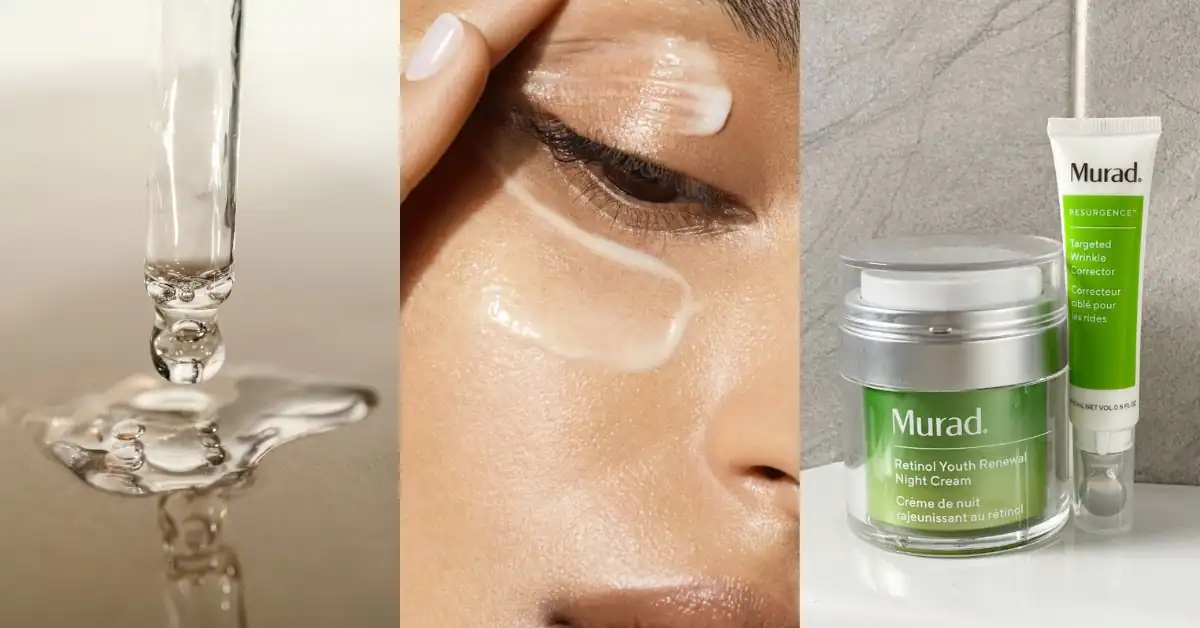
You can read more about the difference in my guide on retinol vs retinal and how to choose the right one for your skin.
Rosehip Oil
A lightweight facial oil rich in vitamins A and C, as well as essential fatty acids. It helps with hydration, brightening, and supporting skin repair. It has a slightly dry texture that absorbs quickly, making it a good option even for combination skin. Great for evening use.
Rice Extract (Oryza Sativa)
A brightening and softening ingredient that has been used in Asian beauty for centuries. Rice extract helps even out skin tone, improve texture, and add a natural glow. It is gentle and works well for all skin types. You will find it in cleansers, toners, and masks, especially in K-beauty products.
S
Salicylic Acid
The most well-known BHA. It is oil-soluble, which means it can penetrate into your pores and dissolve the buildup of oil and dead skin from within. This makes it the go-to ingredient for acne, blackheads, and congested pores. It also has anti-inflammatory properties, so it helps reduce redness around breakouts.
Shea Butter
A rich, nourishing moisturizer that comes from the shea tree. It is packed with fatty acids and vitamins that deeply hydrate and soften the skin. Shea butter is especially great for dry skin and is commonly found in body creams, lip balms, and richer facial moisturizers. It creates a protective layer that helps lock in moisture.
Snail Mucin
I know, it sounds strange. But snail mucin is a K-beauty favorite for good reason. It is incredibly hydrating and soothing, and it helps with skin repair and texture. It contains glycoproteins, enzymes, and hydrating compounds that support skin repair and hydration.
Sodium Hyaluronate
A salt form of hyaluronic acid that is often used in skincare because it is more stable and easier to formulate. It does the same job, pulling in and holding moisture, but because of its smaller size it can hydrate more effectively at a deeper level. You will often see both hyaluronic acid and sodium hyaluronate in the same product for hydration at multiple levels.
Squalane
A lightweight, non-greasy oil that mimics your skin’s natural moisturizing factors. It hydrates without clogging pores and absorbs beautifully. Squalane is great for all skin types, including oily skin, because it is so lightweight. Your skin naturally produces squalene (with an e), but production decreases with age. Squalane (with an a) is the stable, skincare-friendly version.
SPF (Sun Protection Factor)
Not an ingredient exactly, but a measurement of how well a sunscreen protects against UVB rays. SPF 30 blocks about 97 percent of UVB rays, and SPF 50 blocks about 98 percent. No sunscreen blocks 100 percent. The most important thing is to apply enough and reapply throughout the day.
T
Tea Tree Oil
A natural antibacterial and anti-inflammatory ingredient that is popular for acne-prone skin. It can help reduce breakouts and calm redness. However, tea tree oil is potent and should always be used diluted, never applied directly to the skin at full strength. Look for products that contain it at a safe concentration, usually at low concentrations.
Titanium Dioxide
A mineral sunscreen filter that sits on top of the skin and physically blocks UV rays. It protects mainly against UVB and part of the UVA spectrum. You will often see it alongside zinc oxide in mineral sunscreens. It can sometimes leave a slight white cast, but many modern formulas have improved this.
Tocopherol (Vitamin E)
An antioxidant that protects your skin from environmental damage and helps strengthen the skin barrier. It is also a great moisturizing ingredient. You will often see it paired with vitamin C because they work better together. Some with acne-prone skin find that very high concentrations of vitamin E can be comedogenic, so if you are breakout-prone, look for products where it is lower on the ingredient list.
Tranexamic Acid
A newer hero in the brightening world. Tranexamic acid helps fade dark spots and hyperpigmentation, and it is generally very well tolerated, even by sensitive skin. It works through a different mechanism than most other brightening ingredients, so it pairs well with vitamin C, niacinamide, or arbutin for enhanced results.
U
Urea
A naturally occurring compound in your skin that is an amazing moisturizer. At low concentrations (5 to 10 percent), it hydrates and softens the skin. At higher concentrations (10 to 20 percent and above), it also acts as a gentle exfoliant that can help with dry, rough, or bumpy skin like keratosis pilaris. Very effective for body skincare.
V
Vitamin C
One of the most popular antioxidants in skincare. It brightens the skin, helps fade dark spots, stimulates collagen production, and protects against environmental damage. It comes in many forms, with L-ascorbic acid being the most potent but also the most unstable. If your skin is sensitive, gentler forms like magnesium ascorbyl phosphate or ascorbyl glucoside might work better for you.
W
Witch Hazel
A plant extract with astringent properties that can help reduce oiliness and minimize the appearance of pores. However, some witch hazel products contain alcohol, which can be drying and irritating. If you want to use witch hazel, look for alcohol-free versions. It can be a nice option for oily skin when formulated well.
X
Xanthan Gum
Not an active ingredient, but you will see it on a lot of ingredient lists. It is a thickener that helps give products their texture and consistency. It is completely harmless and just there to make the product feel and perform the way it should.
Y
Yeast Extract (Saccharomyces)
A fermented ingredient that is rich in vitamins, minerals, and amino acids. It helps hydrate, soothe, and brighten the skin. Yeast ferment extracts are popular in K-beauty and have been used in skincare for decades. They help support the skin barrier and improve overall skin health.
Z
Zinc
An essential mineral that shows up in skincare in different forms. Zinc oxide is a mineral sunscreen filter that protects against both UVA and UVB rays, and it is gentle enough for sensitive skin. Zinc PCA helps regulate oil production and has antibacterial properties, making it helpful for acne-prone skin. Overall, zinc is calming, protective, and works for almost everyone.
How to Read an Ingredients List
Now that you know what these ingredients do, here is a quick tip for reading ingredient lists on your products.
Ingredients are listed in order of concentration, from highest to lowest. So the first few ingredients make up the largest portion of the product, and the ones at the bottom are present in the smallest amounts.
If a product claims to contain a specific hero ingredient but it appears near the very end of the list, there might not be enough of it to actually make a difference. On the other hand, if it is in the top five or ten ingredients, you know there is a meaningful concentration in the formula.
This does not apply to all ingredients equally. Some actives are effective at very low concentrations, so even being lower on the list can still mean they work. But as a general rule, the higher up an ingredient appears, the more of it is in the product.
Conclusion
You do not need to memorize every ingredient on this list. But having a basic understanding of what the most common ones do can help you make more informed choices for your skin.
The next time you pick up a product, flip it over and take a look at the ingredients list. You might be surprised by how many of them you now recognize.
Think of this as a skincare ingredients list you can return to anytime you want to better understand what a product actually contains.
This is also a living guide. I plan to keep updating it as new ingredients start appearing in skincare products and as I come across others worth adding. So bookmark it and come back whenever you need a quick refresher.