The Skin Barrier: What It Is and How to Keep It Healthy
When it comes to achieving a radiant, healthy skin, there’s one element of skincare that’s more important than all the others: our skin barrier. Often overlooked, our skin barrier is essential for maintaining hydration, preventing damage, and keeping our skin looking its best.
In this blog post, I’ll cover everything you need to know about your skin barrier (in a easy way), including what it is, why it’s so important, and how you can take care of it to maintain healthy, glowing skin.
So…
What is the Skin Barrier?
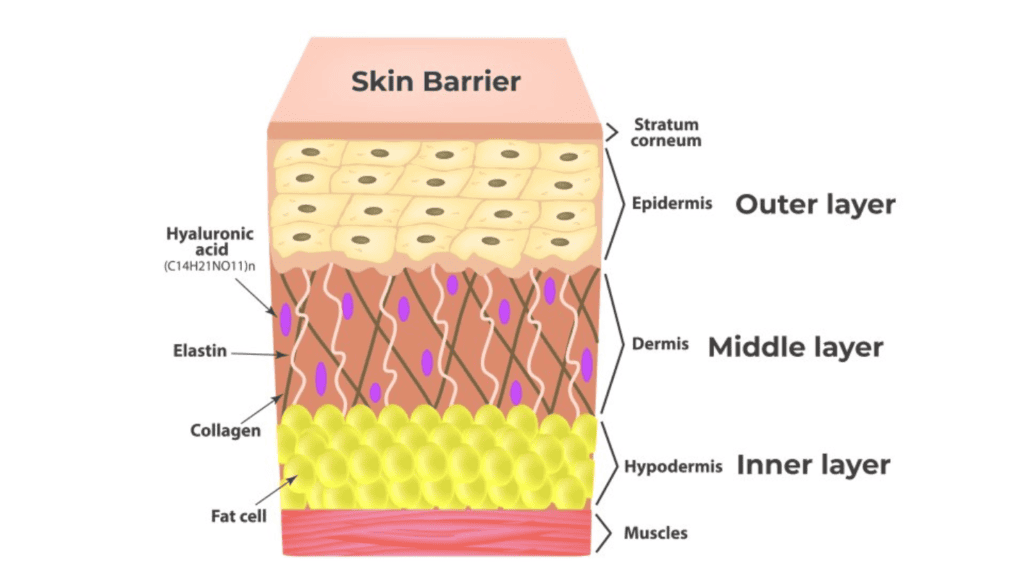
The skin barrier, also known as the moisture barrier or the ‘stratum corneum’, is the outermost layer of our skin. It is made up of skin cells (corneocytes) held together by lipids, including ceramides, cholesterol, and fatty acids. This layer acts as a protective shield, keeping moisture in while keeping harmful elements like pollutants, bacteria, and irritants out.
Imagine the skin barrier like a well-built wall surrounding a garden. The individual skin cells, act like sturdy bricks, while the lipids serve as the strong cement that holds those bricks together. Just as a solid wall protects a garden from wind and rain, a healthy skin barrier keeps moisture in and harmful elements out, ensuring our skin stays hydrated, healthy, and resilient against external damage.
Why is it important?
The skin barrier plays a crucial role in maintaining overall skin health by locking in moisture, protecting against external aggressors, and reducing sensitivity.
It helps to keep our skin hydrated and prevents transepidermal water loss (TEWL), reducing the risk of dryness, flakiness, and irritation. Additionally, a healthy skin barrier acts as a shield against pollutants, UV radiation, allergens, and bacteria, preventing skin infections, inflammation, and damage caused by environmental factors. By strengthening our skin’s natural defenses, the barrier also reduces sensitivity, making our skin less prone to redness, irritation, and breakouts.
Signs of a Damaged Skin Barrier
A compromised skin barrier can present itself through several symptoms, including dryness, dehydration, redness, inflammation, and increased sensitivity. You may also notice rough or flaky patches, itchiness, or a stinging sensation when applying skincare products. A weakened barrier can also lead to breakouts and irritation, making our skin more reactive and difficult to manage.
If you notice these symptoms, it may be a sign that your skin barrier needs some extra care and attention.
How to Strengthen and Protect Your Skin Barrier
You can repair and maintain a healthy skin barrier with the right care. To strengthen and protect it, avoid foaming cleansers with surfactants, as they can dry out our skin (especially if that is the main ingredient in the product).
Instead, opt for gentle, sulfate-free cleansers that effectively clean without stripping your skin of natural oils. This choice will reassure you that you’re making the best decision for your skin’s health. Include skincare products that support the skin barrier such as:
-Products that contain ceramides to replenish natural lipids.
-Fatty acids to strengthen the barrier and maintain moisture.
-Hyaluronic acid to hydrate the skin.
-Niacinamide to reduce inflammation and strengthen resilience.
Moisturizing regularly is essential for barrier health. Moisturizers that contains a combination of humectants like glycerin or hyaluronic acid, emollients like squalane, and occlusives like shea butter keep your skin hydrated and protected. While exfoliation is important for removing dead skin cells, overdoing it can damage your skin barrier. Limit exfoliation to one or two times a week, and choose gentle exfoliants, like enzymatic exfoliants.
Don’t underestimate the power of sunscreen in protecting your skin barrier. I recommend you to use sunscreen with at least SPF 30, even on cloudy days, as UV rays can weaken the skin barrier. This step is essential in your skincare routine. When washing your face or showering, use lukewarm water rather than hot water. Hot water can strip your skin of natural oils and disrupt moisture balance, which we do not want.
While it is understandable that it can be challenging to avoid ingredients like alcohol, sulfates, and high concentrations of active acids, making the effort is worth it for achieving a healthy skin barrier. These ingredients can strip the skin and compromise its protective function. If your barrier is already compromised, it’s essential to simplify your routine and focus on using soothing products.
Friendly Skincare Routine
To make it easier, I’ll give you an example of what a friendly skin barrier-skincare routine could look like:
1. Use a gentle, hydrating cleanser to remove impurities without stripping moisture.
2. Follow with a hydrating toner containing soothing ingredients such as aloe vera or rose water.
3. Next, apply a serum with niacinamide or hyaluronic acid to strengthen and hydrate the skin.
4. Use a repairing moisturizer with ceramides and fatty acids to lock in moisture. In the morning, always finish your routine with a broad-spectrum sunscreen to protect your skin from UV damage.
Read my blogpost of a 5-step skincare routine here.
Conclusion
Your skin barrier is your first line of defense, and keeping it healthy is crucial for maintaining hydrated, smooth, and glowing skin. By understanding what weakens our barrier and how to care for it properly, you can prevent issues like dryness, sensitivity, and irritation. Remember, a strong skin barrier means happier and healthier skin, so make sure to treat it with the care and respect it deserves.
Want to learn more about how to keep your skin healthy? Follow my blog for the latest tips and tricks in skincare!