Keratosis Pilaris: How to Actually Improve Bumpy Skin
Have you ever noticed those small, rough bumps on the back of your arms, thighs, or even your cheeks and wondered what they are? Maybe you thought it was just dry skin, or breakouts, or something you could scrub away in the shower. But no matter what you tried, they just kept coming back.
Those bumps actually have a name. Keratosis pilaris, or KP for short. And if you have them, you are absolutely not alone. KP affects roughly 40 percent of adults and is even more common in teens.
The good news is that KP is completely harmless. The even better news is that with the right routine, you can significantly improve the texture and appearance of your skin. It just takes the right approach, which is not always what you would expect.
What Is Keratosis Pilaris
Keratosis pilaris happens when your skin produces too much keratin, a protein that protects the surface of your skin. That excess keratin builds up around the hair follicles, forming small plugs that create those characteristic bumps. The skin around these plugs can often feel rough, dry, and sandpaper-like.
KP most commonly shows up on the upper arms, thighs, and buttocks, but it can also appear on the forearms, lower legs, and even the cheeks. The bumps can be skin-colored, red, white, or slightly brown depending on your skin tone.
It tends to run in families, and it is often associated with dry skin conditions like eczema. It can get worse in winter when the air is dry and your skin is more dehydrated, and it often improves a bit during summer when humidity and sun exposure naturally help smooth things out.
What I really want you to know is that KP is not caused by poor hygiene. So it is not because you are not cleaning your skin well enough. If that has ever crossed your mind, forget that thought. It is simply your skin overproducing keratin, and no amount of scrubbing in the shower is going to fix that. In fact, aggressive scrubbing can make it worse by irritating the skin around the bumps.
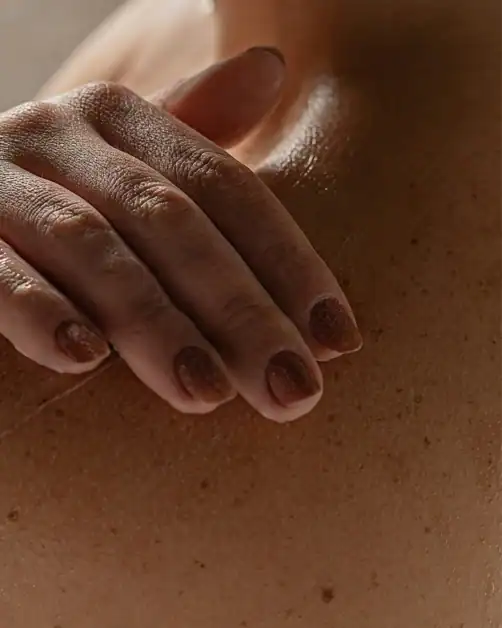
Why Body Scrubs Alone Do Not Fix KP
I think most of us have the same first instinct when we notice bumpy skin, which is, exfoliate harder. Grab the roughest body scrub and scrub as hard as you can.
The reason physical scrubs alone do not work for keratosis pilaris is that the problem is happening inside the hair follicle, not just on the surface. Those keratin plugs are stuck inside the follicle, and a body scrub only buffs the surface. You might smooth the very top of the bump, but the plug underneath remains.
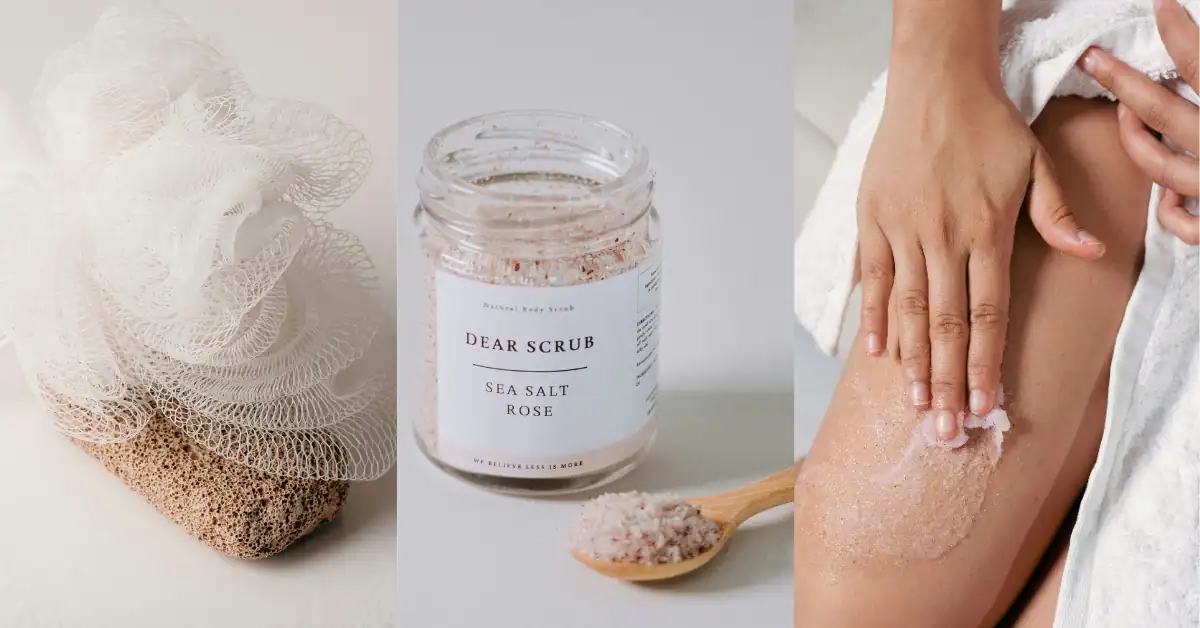
That does not mean you should never use a body scrub. A gentle one can be part of your routine. But it should not be the only thing you rely on. The real magic happens when you combine it with chemical exfoliation and proper hydration, which I will get into next.
Chemical Exfoliation for the Body
If you have read my post about chemical exfoliants for the face, you already know how AHAs and BHAs work. The same principles apply to the body, just with a few differences.
If you want to learn more about how chemical exfoliants work, I have a full guide that breaks it all down. You can read it by pressing the link below.
AHAs, like glycolic acid and lactic acid work on the surface of the skin to dissolve the bonds between dead skin cells and help them shed more easily. For KP, this means helping to loosen and dissolve those keratin plugs over time. Glycolic acid is the most effective because of its small molecule size, but lactic acid is gentler and also hydrates the skin, which is a nice bonus for KP since dry skin makes it worse.
BHAs, like salicylic acid, are oil-soluble, which means they can get inside the pore and the hair follicle to dissolve buildup from within. This makes salicylic acid especially effective for KP because it targets the exact spot where the keratin is plugging things up.
For body exfoliation, you have a few options. Exfoliating body washes with salicylic acid or glycolic acid are probably the easiest to incorporate because you just use them in the shower. Leave-on body lotions or treatments with AHAs or BHAs are more effective because the ingredients have more time to work on the skin.
And then there is urea. Urea is a keratolytic, which basically means it breaks down keratin. At concentrations of 10 to 20 percent, it softens those plugs and smooths out bumpy texture while also deeply hydrating the skin. For KP specifically, urea is probably the most effective single ingredient you can use.
A product that combines two or more of these ingredients will usually give you the best results. But do not layer multiple exfoliating products on top of each other at the same time. One well-formulated treatment product is enough.
The Routine That Actually Works
So what does a good keratosis pilaris routine actually look like? Here is what I recommend.
In the shower, use a cleanser which contains salicylic acid. This way you get gentle chemical exfoliation while you shower without adding an extra step. If you want to physically exfoliate as well, use a soft washcloth with light, circular motions. Do not scrub hard. And do not use a chemical exfoliating wash every single day. Over-exfoliating the body is just as real as over-exfoliating the face.
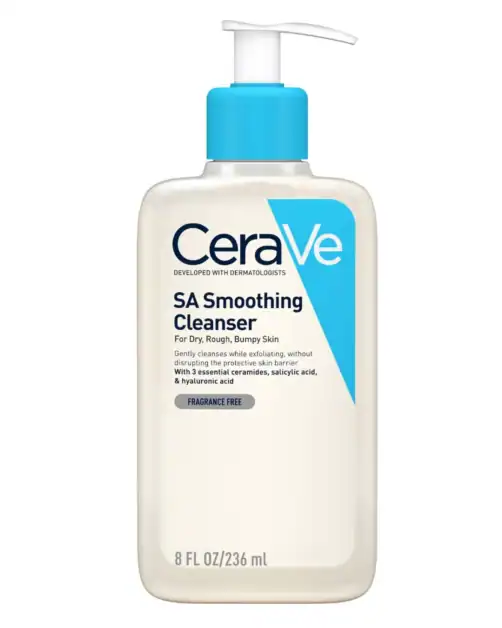
I have personally been using the CeraVe SA Smoothing Cleanser on and off for about three years now. Even though I do not have keratosis pilaris myself but I tend to get those small bumps on my back, probably because of my long hair or whatever the reason is, and this one really helps with that. I use it in the shower a few times a week as the first step in cleansing my body. I always double wash. This cleanser is probably meant for the face but it works great for body skin as well. And it is budget friendly. Find the product below.
CeraVe SA Smoothing Cleanser with Salicylic Acid for Dry, Rough & Bumpy Skin
Right after the shower is the most important step. Pat your skin damp, do not rub it completely dry. Then immediately apply your treatment lotion while the skin is still slightly damp. This helps lock in moisture and helps the active ingredients absorb better.
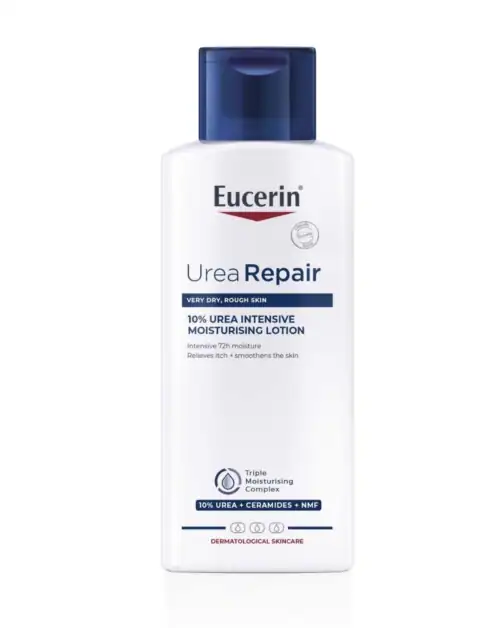
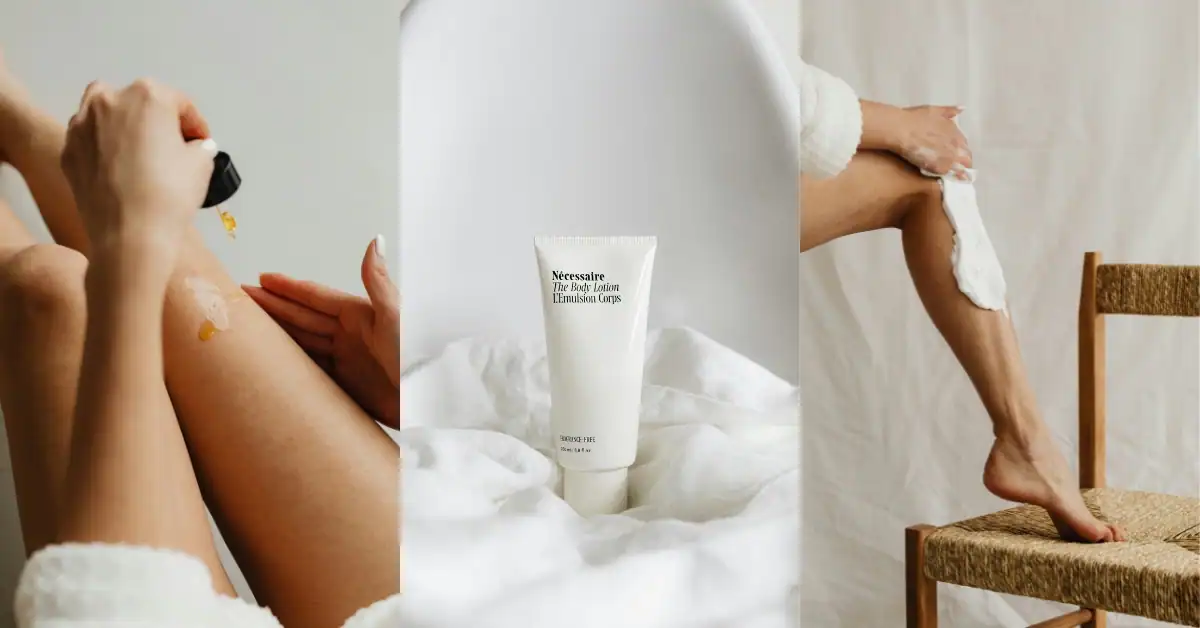
A body lotion I use and have recommended before but will happily do it again is the Eucerin UreaRepair 10% Urea Body Lotion.
It contains urea which breaks down the keratin plugs while deeply hydrating the skin at the same time. And it is also budget friendly. Find the product below.
On the days you are not using a treatment product, use a good body moisturizer to keep the skin hydrated. Dry skin makes KP worse, so consistent hydration is key.
And be patient. This is not an overnight fix. It typically takes four to eight weeks of consistent use to see significant improvement.
Things to Avoid
Just as important as what you should do is what you should not do.
I know it is tempting, but please do not pick at the bumps. Picking at KP can cause scarring, infection, and dark spots. Let the products do the work instead.
Another thing to keep in mind is your shower temperature. I know a hot shower feels amazing, especially in winter, but hot water strips the natural oils from your skin and makes dryness and KP worse. Try to keep your showers warm rather than hot.
And when it comes to exfoliation, gentle is always better with KP. Rough scrubs with harsh particles can damage the skin around the bumps and cause more inflammation. The same goes for how often you exfoliate. Using chemical exfoliants every single day can irritate your skin and make the redness worse. Two to three times a week is usually the sweet spot. Let your skin rest in between.
Common Areas for KP
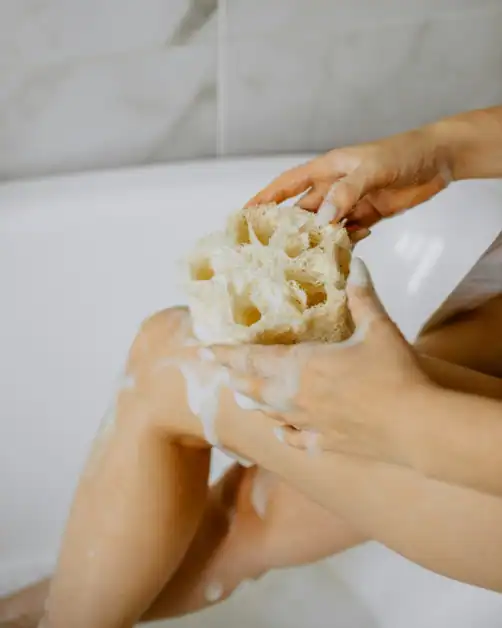
While the upper arms are the most common spot for KP, it can show up in other places too. The thighs are the second most common area, followed by the buttocks. The good news is that the same routine that works for your arms works for these areas as well.
KP can also appear on the cheeks. If you are dealing with facial KP, keep in mind that facial skin is thinner and more sensitive than body skin, so you want to use gentler products. A mild AHA like mandelic acid or a PHA like gluconolactone would be a better choice than what you would use on your body.
Lower legs can sometimes show KP-like bumps as well. Keep the area well moisturized and exfoliate gently.
Does KP Go Away Completely
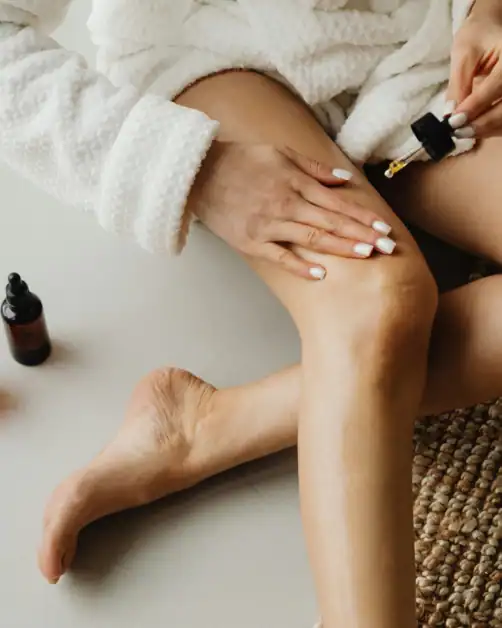
I want to be honest about this. For many, KP is a chronic condition that you manage rather than cure. The bumps can improve dramatically with the right routine, and for some they become barely noticeable. But if you stop your routine, they will most likely come back over time.
That said, KP does tend to naturally improve with age for many of us. It is most common during childhood and teen years, and many adults find that it gradually gets less noticeable as they get older.
Seasonal Adjustments
Keratosis pilaris tends to fluctuate with the seasons, so adjusting your routine throughout the year can help.
During winter, KP usually gets worse because the air is drier and your skin loses moisture more quickly. Now this is when you want to increase your moisturizing and be more consistent with your treatment routine. Use a heavier body cream, consider adding a humidifier to your bedroom, and make sure you are not taking extra-hot showers even though it is tempting when it is cold outside.
In summer, KP often improves naturally. Humidity helps keep the skin hydrated, and moderate sun exposure can temporarily smooth the texture. But do not rely on the sun as a treatment, UV damage is never worth it. Keep using your treatment products but you might be able to reduce the frequency. And always wear SPF.
During seasonal transitions, pay extra attention to how your skin responds. The shift from warm to cold or cold to warm can trigger flare-ups. Adjust your routine accordingly and do not wait until the bumps are at their worst to start treating them.
Embrace Your Skin
I want to add something that goes beyond products and routines.
Keratosis pilaris is incredibly common and completely harmless. It does not mean anything is wrong with your skin. Society puts so much pressure on having perfectly smooth, flawless skin everywhere, and that is just not reality for most of us.
While I absolutely support taking care of your skin and improving things that bother you, I also think it is important to recognize that bumpy arms or textured skin do not make you any less beautiful. It is possible to work on improving your skin while also accepting it as it is right now. Those two things can exist together.
If KP bothers you, treat it. If it does not, leave it alone. Both choices are perfectly valid.
Conclusion
Keratosis pilaris can be frustrating, but it is very manageable once you understand what is actually happening and what your skin needs.
The key is shifting from aggressive scrubbing to gentle chemical exfoliation combined with consistent, deep hydration. Use a good AHA, BHA, or urea-based body lotion. Apply it consistently. Moisturize in between. Be patient. And stop trying to scrub the bumps away because that approach simply does not work for this condition.
Your body skin deserves the same attention and care as your face. When you start treating it that way, the results can be really rewarding.
This post contains affiliate links, which means I may earn a small commission if you purchase through them, at no extra cost to you.