How to Choose the Right Makeup Products: Foundation, Mascara, Blush, Lipstick, and Eyeshadow
Walking into a beauty store can feel overwhelming. There are hundreds of foundations, mascaras, blushes, and lipsticks, and unless you know how to choose makeup that actually works for you, it can be really hard to figure out where to even start. I have been there myself and honestly, I still get overwhelmed sometimes.
The good news is that there are some simple guidelines that can help you. They will make it easier to choose makeup products that actually work for your features, your skin type, and your undertone.
So, in this post I want to help you know where to start the next time you go shopping for makeup.
Whether you are just getting into makeup or you have been doing it for years, I hope you find something useful here.
How to Choose the Right Foundation
Foundation is probably the trickiest product to get right because it has to match your skin tone, your undertone, and your skin type. So let me explain how to figure all of that out easier and what they actually mean.
Finding Your Undertone
You have probably noticed when shopping for foundation that the shade names usually have a letter next to them like C, N, or W. That is not just a random label. C stands for cool, N stands for neutral, and W stands for warm, and it tells you the undertone of the shade. This can be confusing especially when there are so many shades to choose from these days.
Your undertone is the color underneath the surface of your skin and it stays the same no matter how tanned or pale you are. There are three main undertones to know about. Cool undertones have hints of pink, red, or blue. Warm undertones have hints of yellow, peach, or golden. Neutral undertones are a mix of both.
So how do you know which one you have?
There are a few simple ways to figure that out. Look at the veins on the inside of your wrist. Blue or purple veins usually mean you are cool, green veins usually mean you are warm, and a mix of both means you are neutral.
Another tip is how your skin reacts to the sun. If you tend to tan easily and rarely burn, you most likely have a warm or olive undertone. If you burn easily and rarely tan, you are probably cool. This is not a 100 percent rule but it is a good indicator.
You can also think about which jewelry tones look better on you. Gold tends to flatter warm undertones, silver tends to flatter cool undertones, and if both look good on you, you might be neutral.
Finding Your Shade
Once you know your undertone, finding your shade gets a lot easier. Always test foundation on your jawline, not on your hand or your wrist, because the skin on your face and neck is what you actually want to match. The right shade should disappear into your skin without leaving a visible line.
If you are between two shades, go with the lighter one for winter and the slightly darker one for summer. Or, get both and mix them throughout the year.
Choosing the Right Formula for Your Skin Type
Foundation comes in so many different formulas and the right one depends on your skin type. Dry skin usually looks best with hydrating, dewy, or satin finish foundations. Oily skin tends to do better with matte or oil-controlling formulas. Combination skin can go either way, but a satin finish is often the safest choice and what I would recommend. And for sensitive skin, look for fragrance-free, non-comedogenic formulas with a short ingredient list.
One foundation I personally love is the Armani Luminous Silk Foundation. It gives the perfect amount of coverage but still looks natural on the skin.
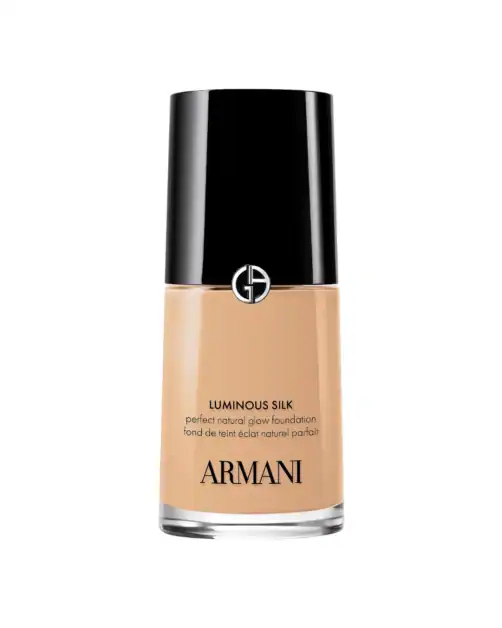
A medium coverage foundation that gives a natural, glowy finish without feeling heavy. It blurs pores, evens out skin tone, and feels like a second skin. The formula is enriched with niacinamide and glycerin, so it also hydrates throughout the day. It comes in 36 shades, making shade matching much easier (or harder, depending on how you look at it) than with most foundations. I personally wear shade 4.5.
Another absolute favorite of mine is the Lancôme Idôle Skin Tint. It is not technically a foundation but more of a skin tint. The great thing about it is that it is fully buildable, so you can wear it sheer for a natural everyday look or layer it up for more coverage if you want.
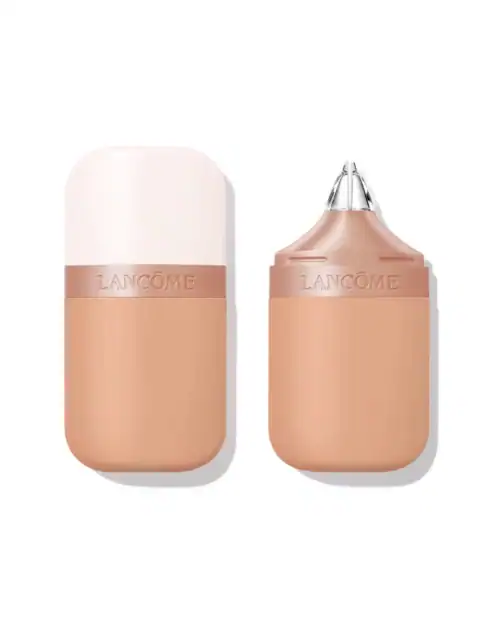
A serum-foundation hybrid that feels incredibly light on the skin while giving you a fresh, glowy finish. The formula contains 87 percent skincare ingredients including niacinamide and hyaluronic acid, so it hydrates and supports your skin barrier throughout the day. It is buildable from light to medium coverage and lasts up to 24 hours. Comes in 20 layerable shades. I personally wear shade 28N (N for neutral, see what I did there)
How to Choose the Right Mascara
This is one of those things that might surprise a lot of us. Most of us instinctively reach for the mascara with the biggest brush because we think bigger brush means more volume and longer lashes. Hate to break it but that is actually not always true.
If you have short or sparse lashes, you should actually look for a mascara with a smaller brush. A smaller brush can get closer to the lash line. This means it can catch and coat every single lash, even the tiny ones. With a big, bushy brush, you often end up missing the shorter lashes because the brush cannot reach them. The result? Your lashes can actually look shorter than they are.
For longer lashes that need separation and definition, a bigger brush works well because it can really coat and lift each lash. And if you are after dramatic volume, look for a thick, fluffy brush combined with a buildable formula.
A great option for a mascara with a small brush is the Sensai 38°C Mascara and the Clinique Lash Power Mascara. Both have smaller, precise brushes that work beautifully for shorter lashes.
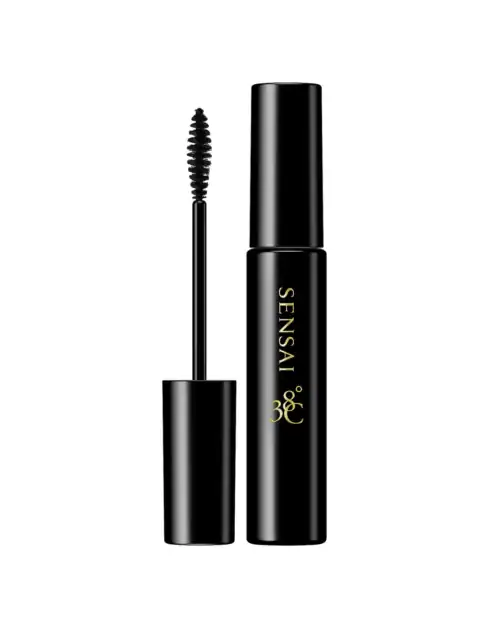
The mini brush makes it really easy to use and gives a natural, curled finish. It grips the lashes from the root and lifts even the shortest lashes beautifully. Perfect for anyone with shorter or finer lashes who wants a clean, defined look without any clumping.
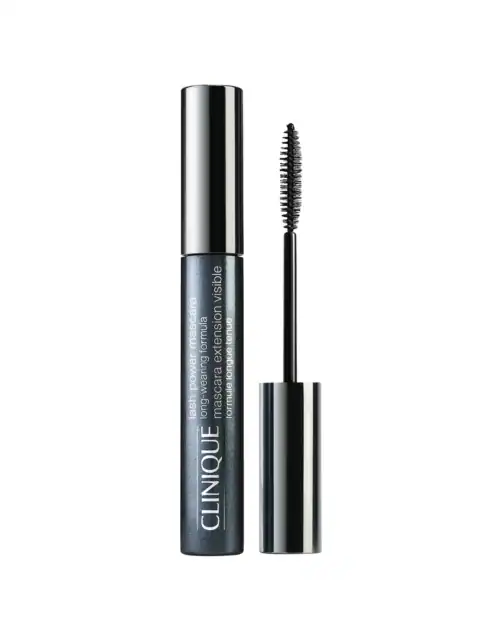
A long-wearing mascara that promises 24-hour wear without smudging or flaking. The synthetic bristles lift and lengthen even the shortest lashes, and it stays put through rain, sweat, humidity, and tears. The formula is ophthalmologist-tested, fragrance-free, and gentle enough for sensitive eyes and contact lens wearers. When you want to remove it, you simply rinse it off with warm water.
The wand shape also matters. Curved wands help lift and curl the lashes. Straight wands give more length and separation. Tapered wands are great for catching the inner and outer corner lashes.
It is also worth knowing the difference between the two main types of mascara brushes. Traditional fiber brushes, the soft and bushy ones, tend to add volume and work best for those with already long or thick lashes that need separation. Silicone or plastic brushes are more precise and grip every single lash, which makes them great for length, definition, and curl. They are usually the better choice for shorter or sparser lashes because they catch even the tiny ones without clumping.
How to Choose the Right Blush
Blush is one of those products that can completely transform your look when you get it right. The key is choosing a shade that complements your undertone and skin tone.
If you have a cool undertone, look for blushes in pink, berry, mauve, or cool rose tones. These shades will look natural and harmonize with your skin.
If you have a warm undertone, peachy, coral, terracotta, and warm rose blushes will be your besties. They give a sun-kissed, natural glow that suits warm skin beautifully.
If you have a neutral undertone, you are lucky because you can pull off both warm and cool tones. Soft pinks, dusty roses, and muted corals all tend to work.
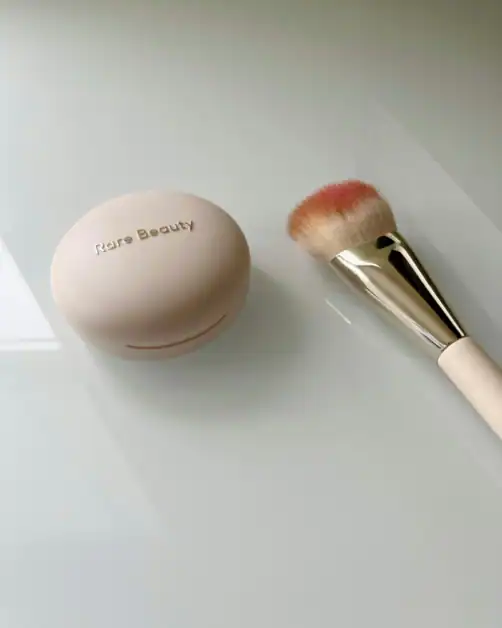
For skin tone, fair skin usually looks best with softer, lighter shades. Medium skin can handle slightly more pigmented blushes like rose, peach, or warm coral. Deep skin looks stunning in richer, more vibrant shades like berry, plum, or bright coral.
The formula also matters. Cream blushes give a more natural, dewy finish and work especially well on dry skin. Powder blushes are great for oily or combination skin and are easier to blend. Liquid blushes are very pigmented and give a long-lasting, lit-from-within look but they require quick blending.
How to Choose the Right Lipstick
Lipstick is one of the most fun makeup products to play with but choosing the right shade can also be tricky. Just like with blush, your undertone is your best guide.
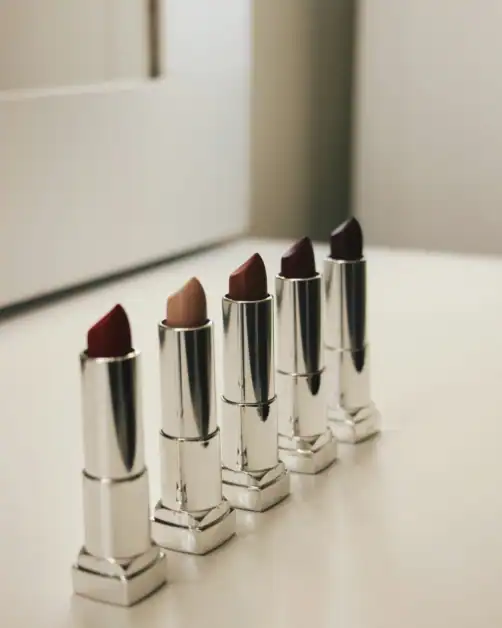
Cool undertones look great in true reds, berries, pinks, and plums. Warm undertones look amazing in coral, brick red, terracotta, peach, and warm nudes. Neutral undertones can pretty much wear anything, which is honestly such a luxury.
For nudes specifically, this is where most of us go wrong. The trick is to choose a nude that is one or two shades darker than your natural lip color, otherwise it can look washed out or zombie-like. If you have warm undertones, I would suggest go for nudes with a peachy, beige, or caramel base. If you have cool undertones, look for nudes with a pink or mauve base.
And then there is the finish to think about. Matte lipsticks are long-lasting and bold, but they can be more drying than satin ones. If you have dry lips, you might want to skip them or always use a lip balm underneath. Satin lipsticks are kind of the perfect in-between. They give you color with a soft sheen and feel comfortable on the lips. Glossy lipsticks add shine and plumpness, but they do tend to fade faster. Tinted lip balms are great for everyday wear when you want a little color without commitment.
How to Choose the Right Eyeshadow
Eyeshadow is where you can really have fun and play with color. But choosing shades that actually flatter you takes a little thought.
A good starting point is actually your eye color, because certain eyeshadow shades naturally make certain eye colors pop more.
If you have brown eyes you are pretty lucky because almost any shade works on you, but blues, purples, golds, and warm browns will really make them stand out. For blue eyes, warm tones like copper, bronze, peach, and orange create a beautiful contrast that makes the blue look more vibrant. Green eyes look stunning with purples, plums, burgundies, and warm browns. And if you have hazel eyes, warm browns, golds, and greens bring out all the different tones beautifully.
For everyday looks, a basic neutral palette with browns, taupes, and warm beiges will get you very far. These shades are universally flattering and easy to blend.
Even though I am not really an everyday makeup girlie, there are two eyeshadow palettes I have repurchased over the years and that I always come back to. The shades, the texture, and the pigment on these are just amazing.
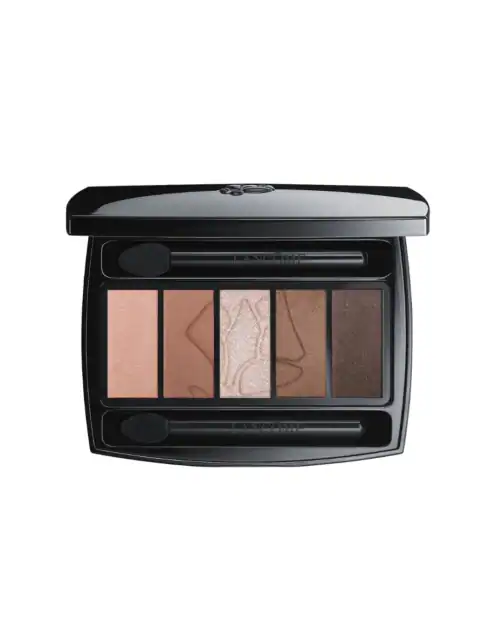
This palette has five beautiful nude shades that blend seamlessly into each other. The texture is soft and pigmented, and you can use them dry or wet. When applied with a damp brush, the colors become even more intense and dramatic. They do not crease or fall down on the cheeks either, which is such a plus.
And the second favorite is from Dior.
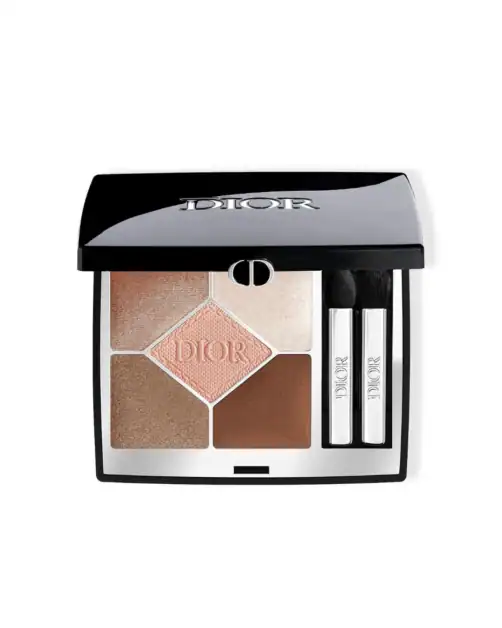
The Dior palettes are inspired by iconic Dior dresses, and each shade represents a different “look” so you can really play around. The texture is creamy, long-lasting, and so comfortable on the lids. The packaging is also stunning if you care about that kind of thing.
And if you want something even simpler than a palette, I also love this one from Armani.
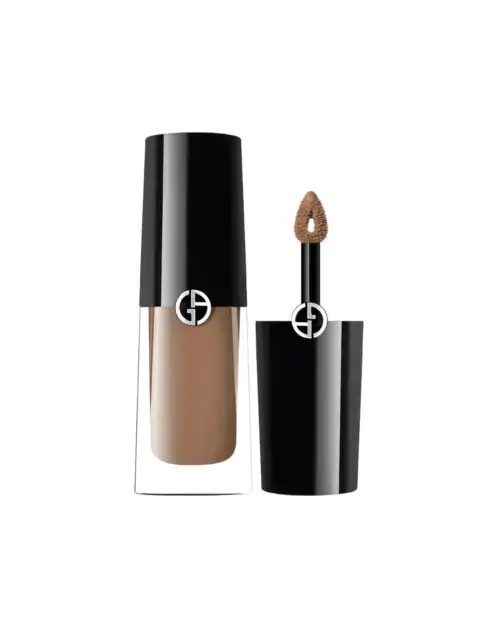
A liquid eyeshadow that transforms from liquid to solid once applied to the lid. The color stays put for up to 16 hours without creasing. It comes in 24 shades across satin, matte, chrome, and aqua finishes, so there is something for every kind of look. The easiest way to wear eyeshadow when you are short on time.
If you are just starting out with eyeshadow, I would recommend looking for a small, well-curated neutral palette rather than buying a huge palette with 30 colors you will never use. Quality over quantity always.
A Few General Tips
When you are shopping for any makeup product, do not be afraid to ask for samples. Most beauty stores will let you take home small samples to see how they perform throughout the day.
Also, always test products in natural light if possible. The lighting in beauty stores can be very flattering or very harsh, and neither one shows you what the product will actually look like on your face in real life.
And finally, remember that no rule is set in stone. These guidelines are a starting point, but makeup is also about personal preference and what makes you feel good. If you love a shade that “should not” work for your undertone, wear it anyway. The best makeup is the makeup you feel beautiful in.
Conclusion
Choosing the right makeup products does not have to be overwhelming once you know what to look for. Pay attention to your undertone, your skin type, and your features, and you will start to see which products work best for you.
But also, give yourself permission to experiment and have fun. Makeup is supposed to be enjoyable, not stressful. Try new things, find what you love, and do not be afraid to step outside the rules every now and then.
This post contains affiliate links. If you choose to purchase through them, I may earn a small commission at no extra cost to you.