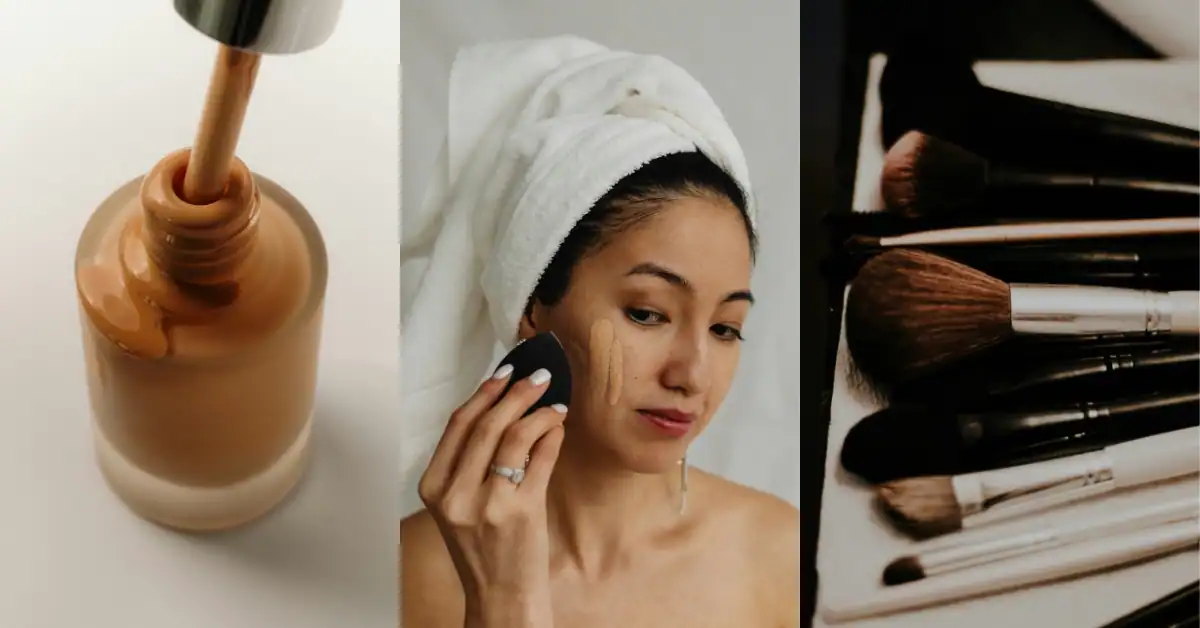
Winter Makeup for Dry Skin Explained
You might have noticed that makeup tends to look better in summer and slightly off in winter, even when you use the same products. Makeup foundation can look heavier, the texture becomes more visible, and the skin does not seem to cooperate as well as it used to during warmer months, which often leads to the assumption that something is wrong with the products or that more coverage is needed.
In reality, cold weather alters how skin behaves, and makeup responds accordingly. Skin loses moisture faster, indoor heating dries the air, and formulas that worked beautifully in warmer months can suddenly look uneven, dull, or uncomfortable.
In this blog post, I explain why winter makeup often looks dry on the skin and how hydration, texture, and layering shape the final result. Rather than focusing on quick fixes or new products, I focus on what happens beneath the makeup to support more intentional choices.
Hydrated makeup does not necessarily mean shiny or greasy. It means makeup that sits comfortably on the skin, moves naturally, and keeps the complexion looking smooth and balanced throughout the day, even in colder conditions.
Why Makeup Looks Different in Winter
During winter, the skin barrier often becomes more fragile. Moisture escapes more easily, and the skin’s surface can feel tight or uneven, even when oil production is still present, which directly affects how makeup applies and wears.
Maybe you have noticed that foundation can cling to dry patches, concealer can crease more easily, and powder products can look heavier than intended. These changes are not a sign that your makeup is failing. They are a signal that the skin needs a slightly different approach.
In colder months, the outer layers of the skin are often less efficient at holding onto water. Cold air contains less moisture, and indoor heating further dries the environment, which increases moisture loss from the skin. Even skin that does not feel dry can lose hydration more quickly, as the skin barrier functions differently in winter, making it harder to retain moisture. When hydration levels drop, the skin surface becomes uneven, which is why makeup can reveal dry areas that were not visible on bare skin.
Hydration plays a central role here. When skin lacks water, makeup struggles to blend evenly. Even lightweight formulas can make small dry areas more noticeable when the skin underneath is dehydrated.
What Hydrated Makeup Really Means
Hydrated makeup focuses on flexibility and comfort. It prioritizes formulas that support moisture rather than masking the skin. The goal is a complexion that looks fresh, soft, and balanced, even in dry conditions, and that usually means choosing products with fluid or creamy textures. These formulas tend to adapt better to the skin and are less likely to settle into fine lines or dry areas. Hydrated makeup also relies on thoughtful layering rather than heavy coverage products.
Hydrated makeup does not aim to erase texture or create a perfect surface. It aims to soften how texture appears and allow the skin to look comfortable and natural, rather than overly perfected.
It is not about covering everything. It is about creating a base that looks and feels alive and natural during winter.
Skin Preparation Makes the Biggest Difference
Makeup hydration starts before any makeup is applied. Well-prepared skin allows makeup to sit more evenly and last longer without looking dry.
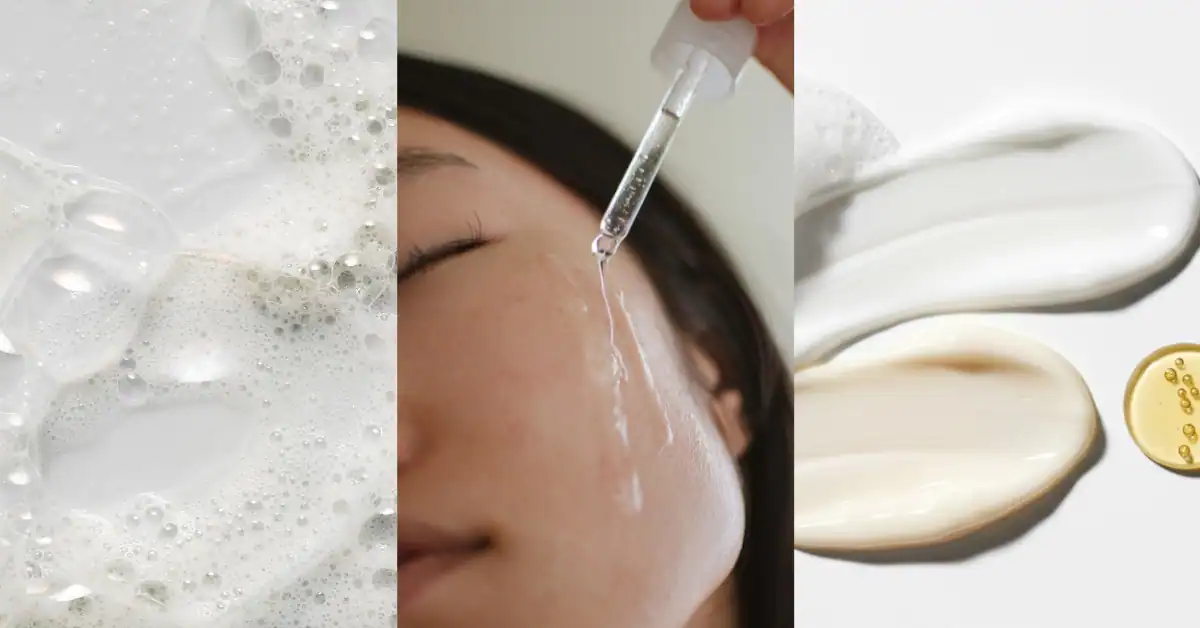
Gentle cleansing is especially important in winter. Over-cleansing or using strong exfoliants too often can weaken the skin barrier and make makeup harder to work with. Hydration-focused skincare, including lightweight serums or lotions that attract water into the skin, helps create a smoother surface.
Allowing skincare to absorb properly before makeup also matters. Applying foundation onto skin that is still damp with product can lead to separation or uneven wear. So give your skincare products time to settle before adding any makeup.
Choosing the Right Makeup Textures for Winter
In winter, texture often matters more than coverage level. Serum foundations, light liquid bases, and cream products tend to perform better because they remain flexible on the skin.
Cream blushes and bronzers usually blend more seamlessly into a hydrated base, creating a softer, more natural finish. Powder products are not off limits, but they often work best when used sparingly and placed only where needed.
A satin or soft glow finish tends to look more natural than very matte or highly reflective formulas during colder months. These finishes reflect light gently without emphasizing dryness.
Why Less Coverage Often Looks Better
When skin feels uneven, it can be tempting to apply more makeup. However, heavy layers often make dryness more visible. Lighter layers allow the skin to move naturally and reduce the risk of makeup breaking apart throughout the day.
Winter lighting is often harsher and more directional, both indoors and outdoors. Heavier makeup can reflect light unevenly, making the texture more noticeable. Lighter layers tend to diffuse light more softly, helping the complexion appear smoother and more balanced.
Hydrated makeup is rarely about perfection. It is about comfort and ease.
The Role of Dehydration in Winter Makeup
Many people experience dehydration in winter without realizing it. Skin can feel tight while still producing oil, which makes choosing makeup confusing. In these cases, adding richer products alone does not always help.
Water-based hydration is key. Makeup performs best when the skin has enough moisture within, not just surface oils, which is why hydrated skin often looks smoother under makeup, even when imperfections remain visible.
A More Thoughtful Approach to Winter Makeup
Winter makeup works best when it adapts to the skin instead of trying to control it. Comfort, softness, and flexibility are becoming the standard rather than the exception.
As beauty continues to move toward skin-first approaches, makeup that supports hydration is no longer a niche. It is a practical response to how skin behaves in real life, especially during colder months.
Hydrated makeup is not about trends. It is about understanding skin and choosing formulas that respect it.