
Morning and Night Skincare Routine: How they Differ and Why It Matters
Lately in my previous blog posts I have been focusing a lot on different skincare ingredients specifically, so in today’s post I thought we take a few steps back and cover the basics.
If you have ever wondered whether your morning skincare routine should be the same as your evening one, or what the purpose of a day cream and night cream truly is, I am going to break it down in a simple way.
Your skin has different needs depending on the time of day. During the day, your skin is exposed to UV rays, pollution, makeup, and environmental stress. So your morning routine should focus on protection and hydration. In the evening, your skin needs repair. During the night, your skin recovers, regenerates, and does most of its healing.
So using the exact same products morning and night means you are either over-protecting at night or under-repairing in the morning.
The routine and layering order is the same for everyone, no matter your skin type, condition, or age. What changes is the products you choose based on your specific needs.
Your Morning Skincare Routine
Your morning routine should be lighter and focused on protection and hydration. During the day, your skin is exposed to UV rays regardless of where you live or whether it is cloudy or sunny. It is also exposed to pollution from traffic, industrial emissions, and even indoor air. On top of that, if you wear makeup, your skin has an extra layer sitting on it all day. So the goal of your morning routine is to give your skin the best possible protection before all of that happens.
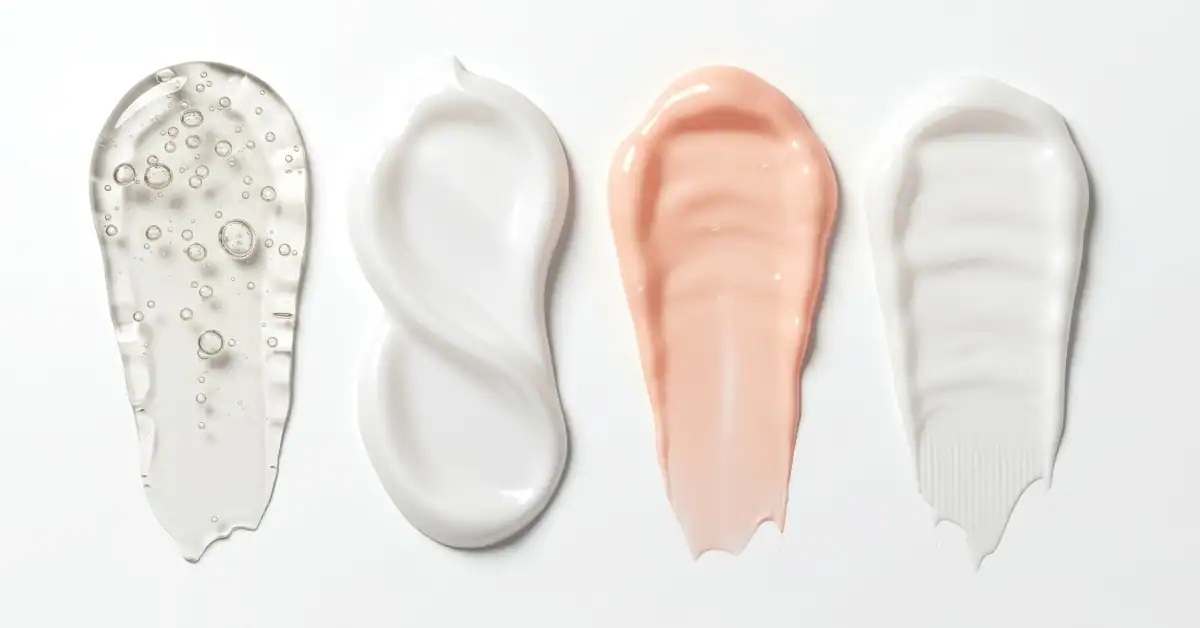
A good rule to remember is to always apply your products from the lightest to the thickest consistency. This way the thinner products can absorb into your skin first without being blocked by heavier ones.
Cleanser
In the morning you do not need a deep cleanse. Your skin has not been exposed to dirt, pollution, or makeup overnight. During the night, your skin actually produces natural oils that help protect your skin barrier, so you do not want to strip those away first thing in the morning.
However, if you truly prefer to use a cleanser, choose one that is gentle and hydrating. It is enough to remove any excess oil or product residue from the night before. Some of us, including me, prefer to just rinse with water and that is perfectly fine too, especially if you have dry or sensitive skin.
Toner
Some of us skip this step entirely or go directly to the essence step because toner feels unnecessary. But for me, toner is non-negotiable. Let me explain why.
After cleansing or rinsing your face with water, your skin’s pH levels shift. Tap water is more alkaline than your skin naturally is, and it can also leave behind mineral deposits and chlorine residue. A toner helps neutralize all of that and brings your skin back to its naturally slightly acidic pH. This matters because when your skin is at the right pH level, the products you apply after actually absorb better. Without it, your serums and moisturizers may not penetrate as effectively. And in the long run, even the best serum will not perform at its full potential if your skin is not properly prepped to receive it.
In the morning, safe choices are a hydrating toner with ingredients like hyaluronic acid or niacinamide that add a layer of moisture without any heaviness.

If you are new to niacinamide and want to know what it does and how to use it, I have a full guide on it. Read it from the link below.
Niacinamide: What It Does, How to Use It, and Why Your Skin Needs It
Essence
An essence is a step that sits between your toner and your serum. It is slightly thicker than a toner but lighter than a serum, and adds an extra layer of hydration while helping the products that come after absorb even better. Not everyone uses an essence and it is not a must. If you want to keep your morning routine shorter and skip one step, this would be the one I would skip.
Serum
This is where your morning and evening routines start to really differ. In the morning, you will want to reach for antioxidant serums. Vitamin C is the classic morning serum because it protects your skin from environmental damage like pollution and UV stress. It also brightens and evens out your skin tone over time. Niacinamide is another great morning option because it reduces redness, controls oil, and strengthens the barrier without making your skin sensitive to the sun.
And of course, serums that contain hyaluronic acid are always a great option. Just remember that if you use a pure hyaluronic acid serum, it is important that your skin is still damp. Hyaluronic acid needs water to bind to and work properly.
However, it is worth mentioning that in most serums today, hyaluronic acid is already included in products that also contain vitamin C or niacinamide.

Did you know there are two different types of Vitamin C? Stabilized and unstabilized. If you want to learn the difference, read the post from the link below.
Stabilized vs. Unstabilized Vitamin C: What You Need To Know
Moisturizer
After applying your serum, you want to lock everything in with a moisturizer. Think of it as a seal that keeps all the good stuff from your previous steps from evaporating. Keep your morning moisturizer lightweight, especially as you are layering SPF on top. A gel cream or a light lotion works well. You want hydration without heaviness. If your skin is on the drier side, you can go a bit richer, but keep in mind that too heavy of a moisturizer under makeup or sunscreen can cause pilling.
Eye cream
If you use an eye cream, the morning is a great time for one with caffeine as it helps reduce puffiness and dark circles. One important thing to know is that eye cream should not be applied on the eyelid itself. Instead, gently pat it along the orbital bone under your eye and under your eyebrow using your ring finger. The product will naturally migrate towards the eyelid on its own. Applying it too close to your eye can actually cause puffiness, which is the opposite of what you want.
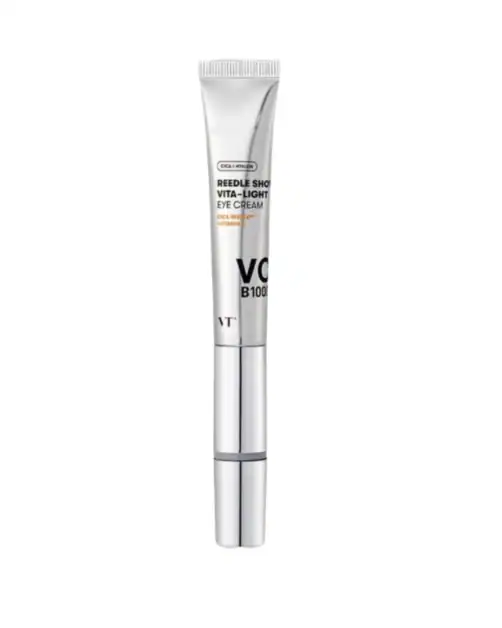
One product I have been using and loving and will recommend over and over again is the VT Cosmetics Reedle Shot Vita-Light Eye Cream. It has a gel-like texture with a metal applicator that vibrates, so when you apply it you will definitely feel how your puffiness is.. gone. The vibrations help boost absorption of the active ingredients while activating blood circulation around the eye area. It contains niacinamide, panthenol, and centella asiatica to hydrate, brighten, and calm the skin around your eyes.
SPF
This is the most important step of your morning routine. Read that again. Non-negotiable, every single day, rain or shine. UV damage is the number one cause of premature aging, hyperpigmentation, and skin damage. Use at least SPF 30, but I always recommend SPF50, and apply it generously as the very last step of your skincare before makeup.

UVA rays cause aging, UVB rays cause burning. If you want to know more about how they differ and how to protect your skin from both, read the full post below.
Your Evening Skincare Routine
Your evening routine is where the real work happens. This is when you can use your active ingredients, your treatments, and your richer products because your skin has all night to absorb and benefit from them.
One small tip before you start though.. always brush your teeth before doing your evening skincare. Many toothpastes contain SLS (sodium lauryl sulfate) which can irritate the skin around your mouth and chin and has even been linked to perioral dermatitis. So brush first, skincare after.
Double Cleanse
In the evening, a single cleanse is usually not enough, especially if you have been wearing makeup or sunscreen. Double cleansing means starting with an oil-based or balm cleanser to dissolve makeup, sunscreen, and excess oil. Then follow with a water-based cleanser to clean the actual skin underneath. This makes sure your skin is truly clean before you apply your treatment products. And trust me, you want to make sure it is clean, because if it is not, the risk of waking up with a breakout in the morning is very real.
Even if you do not wear makeup, double cleansing in the evening is still necessary because sunscreen and pollution build up on the skin throughout the day. Sunscreen is designed to stay on your skin, so a water-based cleanser alone often cannot remove it fully. That is why you need the oil-based first step to break it down.
Toner
Just like in the morning, toner helps balance your skin after cleansing and preps it for everything that comes next. It also works as a final check to make sure all of your makeup residue is truly gone. Think of it as the “making sure” step that your face is actually clean.
In the evening you can use the same hydrating toner as in the morning, or you can switch to an exfoliating toner with AHAs, BHAs or PHAs a few times a week. These help with cell turnover, unclogging pores, and improving skin texture. Just do not use exfoliating toners every single night as that can irritate your skin.
If you want to learn more about AHAs, BHAs, and PHAs, you can read it from the link below.
Essence
Just like in the morning, an essence goes between your toner and serum. In the evening you can use the same one as in the morning, or choose one with more nourishing ingredients like centella asiatica, propolis, or fermented extracts since your skin has all night to absorb them.
Serum or Treatment
This is where the evening routine really shines. Nighttime is the best time for active ingredients like retinol, retinal, or other treatment serums. Retinol increases cell turnover, boosts collagen production, and helps with everything from fine lines to acne. But it makes your skin more sensitive to the sun, which is exactly why you want to use it at night. If you are new to retinol, start slow. Use it once or twice a week and gradually build up. Your skin needs time to adjust.
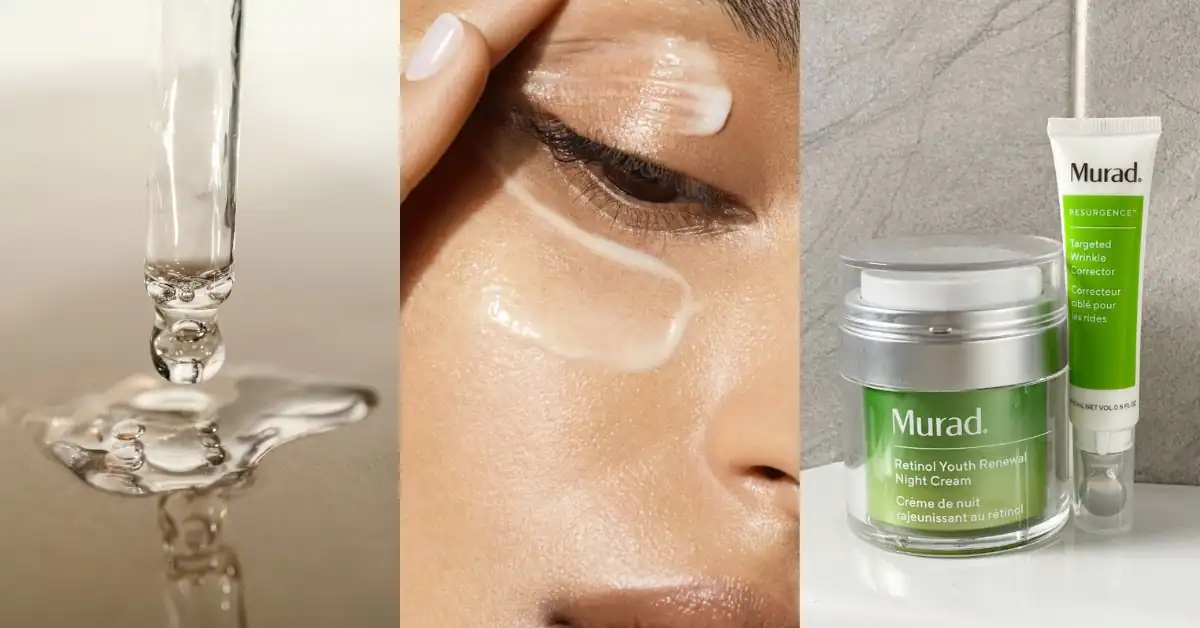
If you want to know more about the difference between retinol and retinal, I have written a blog post about it. Read it from the link below.
Other great evening serums include peptides for anti-aging, azelaic acid for redness and hyperpigmentation, and hyaluronic acid for deep hydration.
Eye Cream
Just like in the morning, apply your eye cream along the orbital bone, not on the eyelid. In the evening, you can go for a richer formula since your skin has all night to absorb it. Look for eye creams that contain peptides for fine lines, hyaluronic acid for hydration, retinol for anti aging, or ceramides for barrier repair. Save the caffeine for your morning eye cream as that is when you need the depuffing most.
Moisturizer or Night Cream
In the evening you can go richer with your moisturizer, no matter your skin type. A thicker night cream or a sleeping mask helps lock in all the products you applied underneath and supports your skin barrier while you sleep. Ingredients like ceramides, squalane, panthenol, and centella asiatica are wonderful for nighttime hydration and repair.
If you want to take it one step further, I love using a wrapping mask on top of my night cream. It makes sure all of your skincare products actually stay on the skin and do not travel to your pillowcase overnight, so your skin gets the full benefits. The name says it all, you basically wrap your skin with the mask and in the morning you peel it off. The plumped, hydrated feeling underneath is honestly so satisfying. Your skin loses moisture overnight, so this really makes a difference.
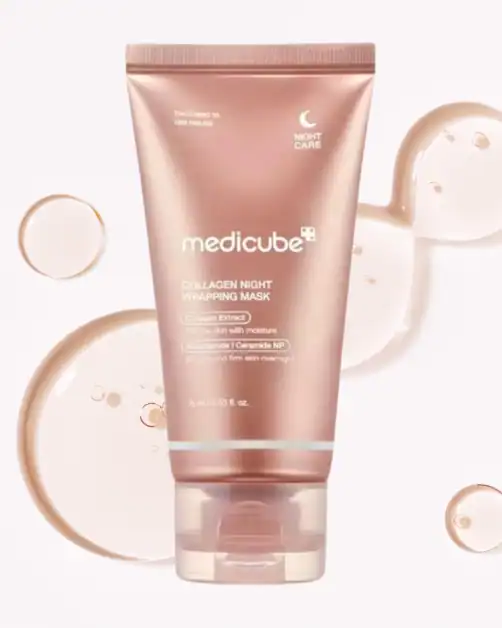
A leave-on overnight mask that you apply as the very last step after your night cream. It forms a protective layer that locks in all of your skincare products while you sleep. In the morning, you peel the mask off and the skin underneath feels plump, smooth, and deeply hydrated.
What About Products You Can Use Both Morning and Evening
Some products work great in both routines. Hyaluronic acid, niacinamide, and ceramide-based moisturizers are safe to use twice a day. They are gentle, hydrating, and do not cause sun sensitivity.
The products you should keep to one time of day are usually your actives. Vitamin C works best in the morning because of its antioxidant protection. Retinol and exfoliating acids belong in the evening because they can make your skin more sensitive to UV.
Common Mistakes
One of the most common mistakes I see is using too many active ingredients at the same time, especially in the evening. Layering retinol with AHAs or vitamin C with strong exfoliants can overwhelm your skin and damage your barrier. Keep it simple. One active per routine is usually enough.
Another mistake is skipping SPF because it is cloudy or you are staying indoors. UV rays come through clouds and windows. Wear it every day.
And finally, do not feel like you need ten products in each routine. If your skin is sensitive or drier and you want to keep things super simple, choose products you can use both in the morning and evening. The same toner, essence, and serum can work for both routines.
Conclusion
The difference between your morning and evening skincare routine comes down to one simple idea. Morning is for protection, evening is for repair.
And it really does not need to be more complicated than that. You do not need a ten-step setup. You just need the right products at the right time.
If you are unsure where to start, keep it minimal. A simple routine done consistently will always beat a complicated one done on and off.
Take care of your skin. It is the only one you have.
This post contains affiliate links, which means I may earn a small commission if you purchase through them, at no extra cost to you.