Retinol vs Retinal: The Difference You Need to Know
If you have spent any time researching anti-aging skincare, you have probably come across retinol. It is one of the most studied, most recommended ingredients for reducing fine lines, improving texture, and supporting cell turnover.
But recently, another ingredient has started showing up in skincare products. Retinal. (And no, it is not a typo).
The names sound almost identical, and they belong to the same family of ingredients. But retinal and retinol are not the same, and understanding the difference can help you choose the right product for your skin.
So, let’s dive into what retinol and retinal actually are, how they work, what makes them different, and which one might be right for your skin.
What Are Retinoids?
Before diving into retinol and retinal specifically, it helps to understand the bigger picture. Both of these ingredients belong to a group called retinoids, which are derivatives of vitamin A.
Retinoids work by speeding up cell turnover, stimulating collagen production, and improving the skin’s overall texture and tone. They are considered one of the most effective ingredients for addressing signs of aging, hyperpigmentation, and acne.
There are several types of retinoids, and they vary in strength and how quickly they work. The strongest retinoids, like tretinoin (also known as Retin-A), usually requires a prescription. Retinoids you can buy without a prescription, like retinol and retinal, are gentler and more accessible but still effective when used consistently.
What Is Retinol?
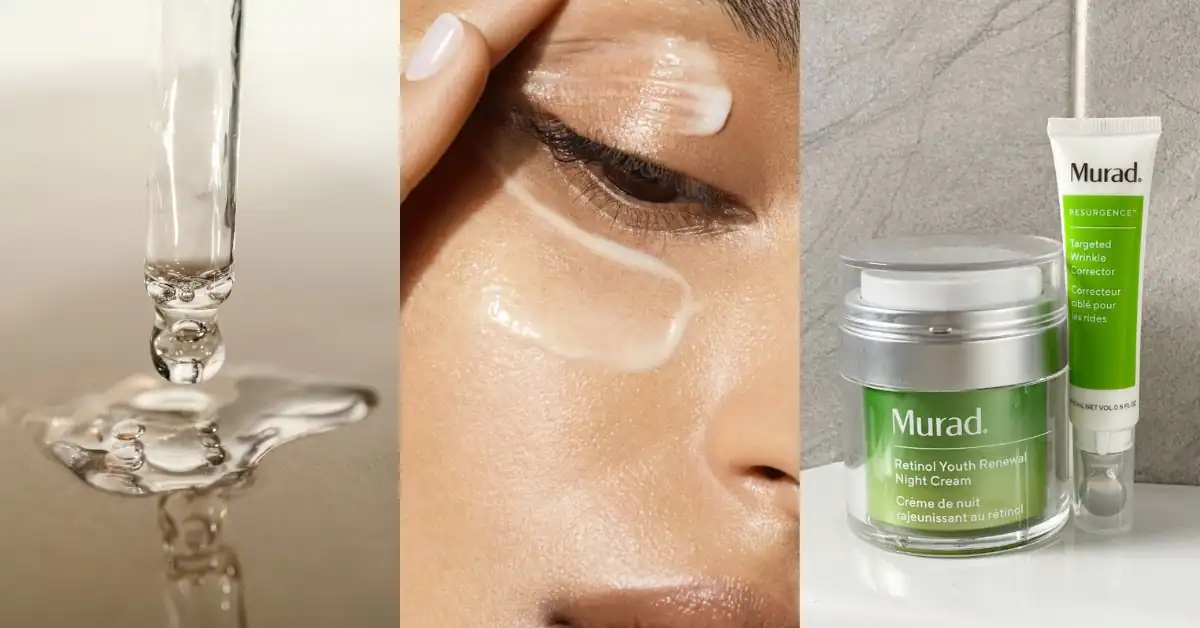
Retinol is the most common over-the-counter retinoid. It is widely available in serums, creams, eye creams and other products, and it has been used in skincare for decades.
However, when you apply retinol to your skin, it does not work immediately. Your skin needs to convert it into retinoic acid, the active form that your skin cells can actually use.
This conversion happens in two steps, retinol first converts to retinal, and then retinal converts to retinoic acid.
Because retinol requires two conversion steps, it works more slowly and gently than prescription retinoids, which makes it a good option for people who are new to retinoids or who have sensitive skin.
Retinol is effective when used consistently. Over weeks and months, it can improve fine lines, smooth texture, reduce hyperpigmentation, and support a brighter, more even skin tone. However, because it takes longer to convert into its active form, results are gradual rather than immediate. So be patient.
What Is Retinal?
Retinal, also called retinaldehyde, is another type of retinoid. It is less common than retinol, but it is becoming more popular as people learn about its benefits.
The key difference between retinal and retinol is how quickly it converts into retinoic acid. Retinal only needs one conversion step, while retinol needs two. This means retinal works faster and more efficiently than retinol.
Because retinal is closer to the active form of vitamin A, it delivers results more quickly. Some studies actually suggest that retinal may be up to 11 times more effective than retinol at the same concentration. Amazing, right!
Despite being more potent, retinal is often surprisingly well-tolerated. Because it converts more efficiently, you may see results with a lower concentration, which can mean less irritation for some people. Plus, you need less product overall, which means your bottle lasts longer. Win-win, if you ask me.
How They Differ in Effectiveness
Both retinol and retinal are effective, but they work at different speeds.
Retinol takes longer to show results because of the two-step conversion process. It is a slower, more gradual approach that works well for people who are just starting with retinoids.
Retinal works faster because it only requires one conversion step. This makes it a stronger option that may deliver visible results in less time. If you have used retinol before and feel ready for something more potent without jumping to a prescription retinoid, retinal can be a good middle ground.
That said, effectiveness also depends on concentration, formulation, and consistency of use. A well-formulated retinol product used consistently can still deliver excellent results, even if it takes a bit longer than retinal.
How They Differ in Tolerability
One of the most common concerns with retinoids is irritation. Dryness, redness, peeling, and sensitivity are all possible side effects, especially when you first start using them.
Retinol is generally well-tolerated, especially at lower concentrations. Because it converts slowly, it tends to be gentler on the skin. This makes it a good starting point for people who are new to retinoids or who have reactive skin.
As I mentioned earlier, retinal can be surprisingly gentle and well-tolerated despite being more potent. Because it works more efficiently, you may achieve results with a lower concentration, which can reduce the likelihood of irritation. Some may find that retinal causes less dryness and peeling than retinol, even though it works faster.
However, everyone’s skin is different. Some may tolerate retinol better, while others prefer retinal. The best way to know is to start slowly, pay attention to how your skin responds, and adjust accordingly.
Which One Should You Choose?
So, then we have the part of choosing between retinol and retinal. It really depends on your skin type, your experience with retinoids, and what you are hoping to achieve. But here are some advice to help you choose the right one for you:
Choose retinol if:
- You are new to retinoids and want to start gently
- You have sensitive or reactive skin
- You prefer a slower, more gradual approach
- You want widely available and affordable options
Choose retinal if:
- You have used retinol before and want faster results
- You are looking for a more potent retinoid
- You want something stronger than retinol
- You are willing to invest in a slightly more expensive product
If you are not sure which to choose, starting with retinol is usually the safer option. You can always move to retinal later if you feel your skin is ready for something stronger.
How to Use Retinol or Retinal
Whether you choose retinol or retinal, the way you use it matters just as much as the product itself.
There is no specific age to start using retinol or retinal. You can start in your mid to late twenties as a preventive step, or in your forties to fifties. The right time depends more on your skin’s needs than on your age.
Whenever you start, start slowly. Use it once or twice a week at first, then gradually increase frequency as your skin adjusts, usually after a few weeks. Listen to your skin. If you experience dryness or irritation, slow down.
Eventually, you can work up to using it three to four times a week. And if you have less sensitive skin, you may even tolerate using it every night.
Always apply retinol or retinal to clean, dry skin. Wait a few minutes after cleansing to make sure your skin is completely dry, as applying retinoids to damp skin can increase irritation.
Use a pea-sized amount for your entire face. A little goes a long way, and using too much will not speed up results. It will only increase the risk of irritation. So save your product and your money.
Always, always follow with a moisturizer to help support your skin barrier and reduce dryness. If your skin feels very dry or irritated, you can also apply your moisturizer first, then apply your retinoid on top. This technique, called buffering, reduces irritation while still allowing the retinoid to work.
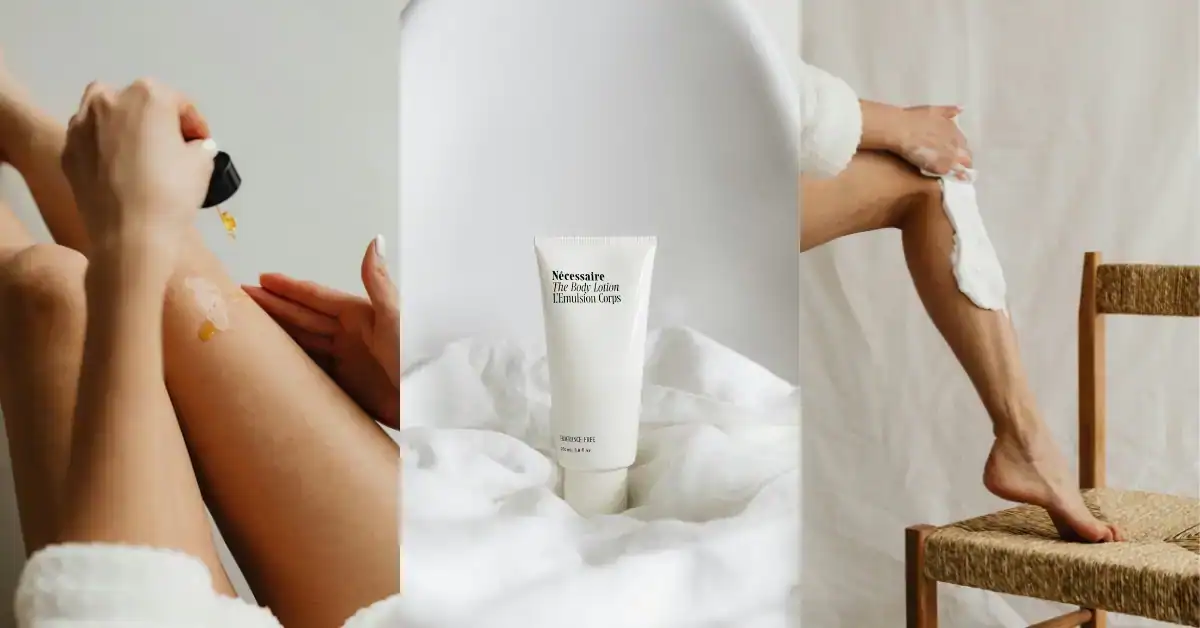
If you’re using retinol on your face and neck, you might wonder about extending it to the rest of your body. This advanced bodycare guide explains how to safely use retinol below the neck, including timing, frequency, and which areas benefit most.
How to Treat Your Body Skin Like Your Face (Advanced Bodycare Guide)
And, as always, wear sunscreen during the day. Retinoids increase cell turnover, which makes your skin more sensitive to UV damage. Sunscreen is essential to protect your skin and allow your retinoid to work effectively.
You can also apply retinol to your neck and décolletage using the same approach. Start slowly and always follow with moisturizer. These areas have thinner skin than your face, so be gentle and patient as you introduce retinoids.
Important note: If you are pregnant, trying to conceive, or breastfeeding, you should avoid both retinol and retinal. While they are less potent than prescription retinoids, they still convert to retinoic acid in the skin. To be on the safe side, I recommend avoiding all vitamin A derivatives during pregnancy and breastfeeding. <3
Common Mistakes to Avoid
One of the biggest mistakes people make with retinoids is using too much, too soon. Starting with nightly use or applying a high concentration right away often leads to irritation, peeling, and frustration. Slow and steady wins the race with retinoids.
Another mistake is giving up too quickly. Retinoids take time to work. You may experience some dryness or peeling in the first few weeks, but this usually improves as your skin adjusts. Results typically become visible after six to twelve weeks of consistent use.
Avoid using retinol or retinal at the same time as strong exfoliants like AHAs or BHAs. Layering too many actives can overwhelm the skin and weaken the barrier. If you want to use both, alternate them on different nights.
And remember, more is not better. Using a higher concentration or applying it more often will not speed up results. It will only increase irritation and set your progress back.
Can You Use Both?
There is no need to use both retinol and retinal at the same time. They work in similar ways, and using both would not provide additional benefits. In fact, it could increase the risk of irritation.
If you start with retinol and later want to try retinal, transition slowly. Finish your retinol product, give your skin a week or two of rest, then introduce retinal gradually using the same approach you used when starting retinol.
Conclusion
Retinol and retinal are both effective, well-researched ingredients that support healthy, youthful skin. The main difference is speed. Retinal works faster because it requires fewer conversion steps, while retinol works more gradually and gently.
Neither is better or worse. The right choice depends on your skin, your goals, and your experience with retinoids.
Start where your skin is ready to start. Be patient. Be consistent. And remember that the best retinoid is the one you will actually use.
If you want help understanding what your skin needs right now, download my free Glow Ritual Guide. It helps you tune into your skin’s current mood and choose the right ritual to restore balance, whether your skin feels tired, dry, or sensitive.