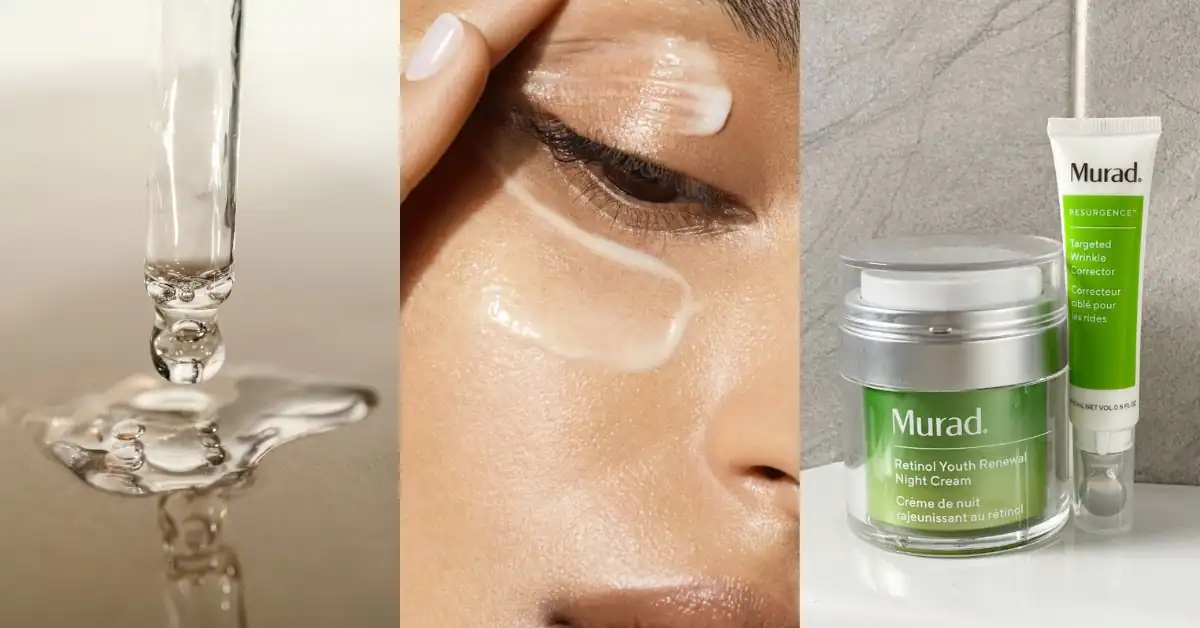
How to Treat Your Body Skin Like Your Face (Advanced Bodycare Guide)
Your face gets retinol, vitamin C, and niacinamide. Your body gets… basic lotion?
For years, that was my approach to body skincare. I would spend time researching the best serums for my face, carefully layering actives, and paying attention to ingredients. Then I would grab a body lotion that had a lovely smell and felt good and call it a day.
It made sense. Body skin is tougher, right? It does not need the same level of care. But the older I got, the more I started questioning that logic.
Building an effective body skincare routine does not have to be complicated. Once you understand which actives work for body skin and how to use them, it becomes just as straightforward as your facial routine.
If retinol helps with texture and tone on my face, why would it not work on my arms? If vitamin C brightens and supports collagen on my face, why would my chest and hands not benefit from the same ingredient?
The truth is, they do. And recently, the skincare industry has finally started catching up to this idea.
Advanced bodycare is one of the biggest trends in skincare right now, and it is not just hype. It is about applying the same thoughtful, science-backed approach to your body that you already use on your face. And once you start, it is hard to go back.
Why Body Skin Deserves Better
For a long time, bodycare meant hydration and that was it. Moisturizers focused on keeping skin soft and smooth, but they rarely addressed concerns like texture, hyperpigmentation, keratosis pilaris, or signs of aging.
Meanwhile, facial skincare evolved. We learned about actives like retinoids, AHAs, niacinamide, and peptides. We understood how these ingredients work and what they can do for the skin. But for some reason, we did not think to bring those same ingredients to the rest of our body.
That is changing now. More brands are creating bodycare products with the same high-quality actives that have been proven to work on the face. And more of us are realizing that body skin, while thicker in some areas, still responds to the same ingredients.
Your body ages. It shows sun damage. It develops texture issues and uneven tone. And just like your face, it can benefit from ingredients that support cell turnover, collagen production, and barrier health.
The skin on your body is not fundamentally different from the skin on your face. It just takes up more space.
The Key Actives That Work for Body Skin
If you are new to the idea of using actives on your body, it can feel overwhelming. But the good news is, you probably already know most of these ingredients from your facial skincare routine.
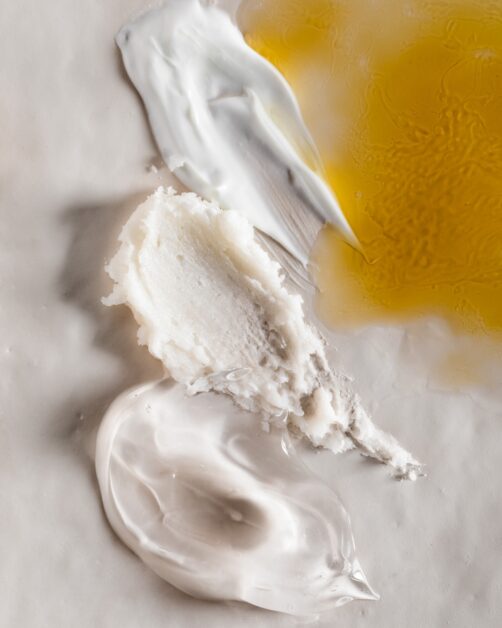
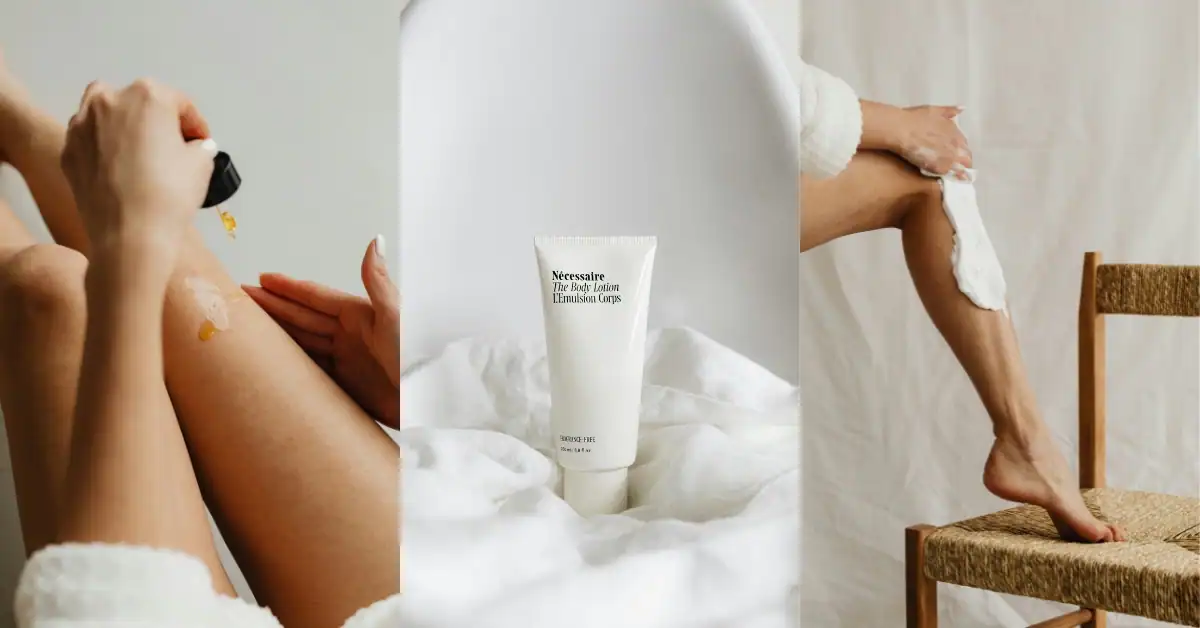
Here are the main actives that work beautifully on body skin, and what they do.
Retinol
Retinol is one of the most researched and effective ingredients for improving skin texture, tone, and signs of aging. It works by speeding up cell turnover and stimulating collagen production, which helps smooth rough patches, fade hyperpigmentation, and improve overall skin quality.
I started using retinol for body under my lotion about a year ago, and it genuinely surprised me how much of a difference it made. There are a lot of different retinol body treatments out there, and I have tried a few of them, but Paula’s Choice Retinol Body Treatment is the one I keep going back to. I noticed smoother and more softer texture on the skin. I wish I would have taken a before and after picture.
Retinol for the body works the same way it does on your face. It just covers more area. The key is to start slowly, use it consistently, and pair it with a good moisturizer to support your skin barrier.
AHAs (Alpha Hydroxy Acids)
AHAs like glycolic acid and lactic acid are chemical exfoliants that work on the surface of the skin. They dissolve dead skin cells, smooth texture, and help with concerns like keratosis pilaris (those small bumps that commonly appear on the backs of your arms, thighs, or buttocks), rough elbows and knees, and dullness.
Lactic acid is especially popular in bodycare because it is gentle and hydrating. It exfoliates without stripping the skin, which makes it a good option for people with dry or sensitive skin. Just keep in mind that if you are using an AHA body lotion, you should skip physical scrubs in the shower. You do not want to over-exfoliate by combining chemical and physical exfoliation on the same day.
If you struggle with bumpy or rough texture on your body, an AHA body lotion can make a noticeable difference. It helps your skin feel softer and look more even over time.
Niacinamide
Niacinamide is one of the most versatile ingredients in skincare. It supports the skin barrier, reduces redness and irritation, helps with uneven tone, and works well with almost every other active.
For body skin, niacinamide is especially helpful if you deal with post-inflammatory hyperpigmentation (dark spots left behind after breakouts or irritation), general unevenness, or sensitivity. It is gentle, effective, and plays well with other ingredients, which makes it easy to incorporate into a routine.
Vitamin C
Vitamin C is an antioxidant that brightens the skin, supports collagen production, and protects against environmental damage. It works well on areas that see a lot of sun exposure, like your chest, hands, and shoulders.
Vitamin C for the body is less common than retinol or AHAs, but it is starting to appear in more products. If you have sun damage or want to brighten and even out your skin tone, it is worth looking for.
Urea
Urea is a humectant and a gentle exfoliant. It hydrates the skin while also helping to break down rough, flaky patches. It is especially effective for very dry areas like elbows, knees, and heels.
Urea is not as well-known as retinol or AHAs, but it is incredibly effective for smoothing and softening rough skin. If you have stubborn dryness or texture that does not respond to regular moisturizer, urea is worth trying.
Peptides
Peptides are short chains of amino acids that support collagen production and skin repair. They help with firmness, elasticity, and overall skin quality.
Peptides are gentler than retinol, which makes them a good option if you want anti-aging benefits without the risk of irritation. They work well on areas like the chest, neck, and backs of the hands, where skin can start to look thinner and less firm over time.
Do You Need Separate Products?
Here is the good news: you do not need to buy a separate serum for each active ingredient. While dedicated treatment products exist (like the Paula’s Choice retinol body serum I mentioned), there are also plenty of multitasking body lotions that combine hydration with effective actives.
This is actually one of my favorite things about advanced bodycare. Many brands have created body moisturizers that do double duty. They hydrate your skin while also delivering actives like AHAs, urea, niacinamide, or even retinol.
If the idea of adding multiple steps to your bodycare routine feels overwhelming, or if you just want to keep things simple, look for a body lotion that already contains the active ingredient you are interested in.
Some great examples include:
This post contains affiliate links, which means I may earn a small commission if you make a purchase through these links at no extra cost to you. I only recommend products I genuinely use and love. Thank you for supporting Glowhaven
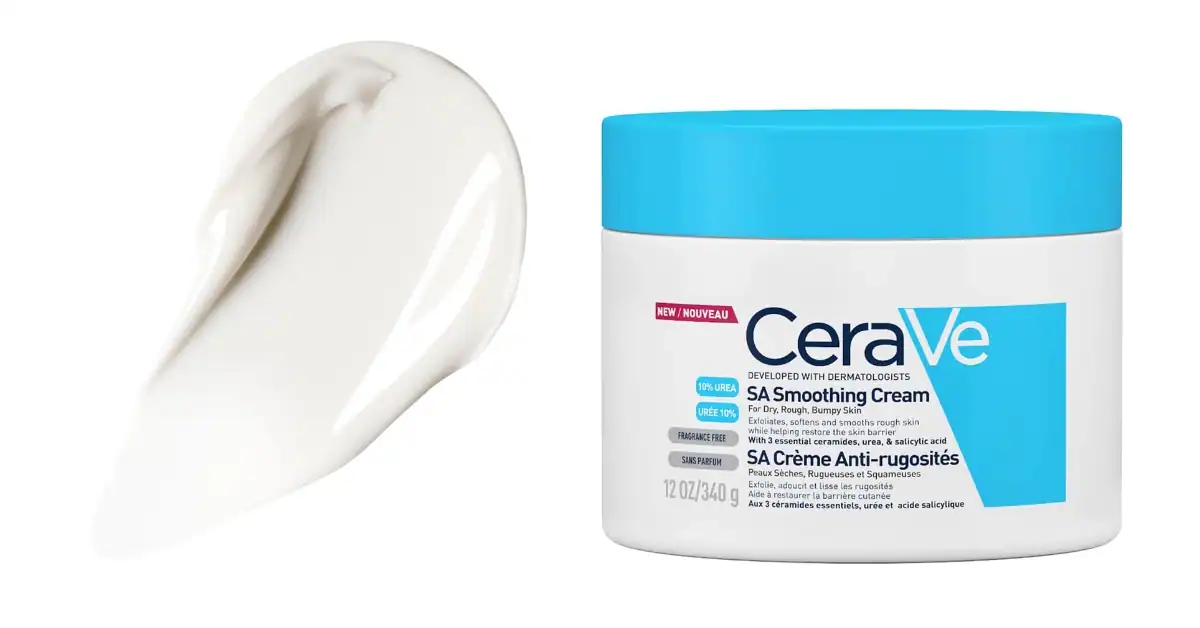
Cream with Salicylic Acid for Dry, Rough & Bumpy Skin 340g. Contains salicylic acid, lactic acid, urea, and niacinamide along with ceramides and hyaluronic acid. This fragrance-free formula gently exfoliates while providing intense hydration for up to 24 hours. It is affordable, non-comedogenic, and excellent for rough, bumpy skin texture.
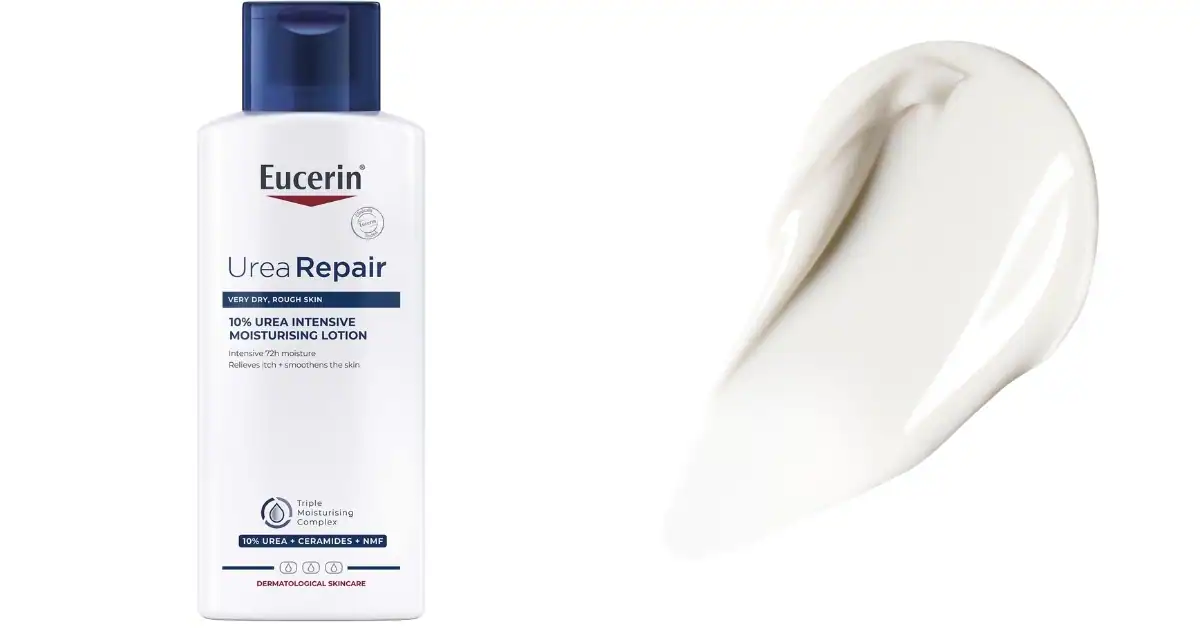
Eucerin Urea Repair 10% Intensive Moisturizing Lotion. Features 10% urea combined with ceramides and Natural Moisturising Factors (NMFs). This fragrance-free formula delivers up to 48 hours of hydration while visibly strengthening the skin barrier. It is excellent for very dry, rough skin and provides immediate comfort to sensitive skin.
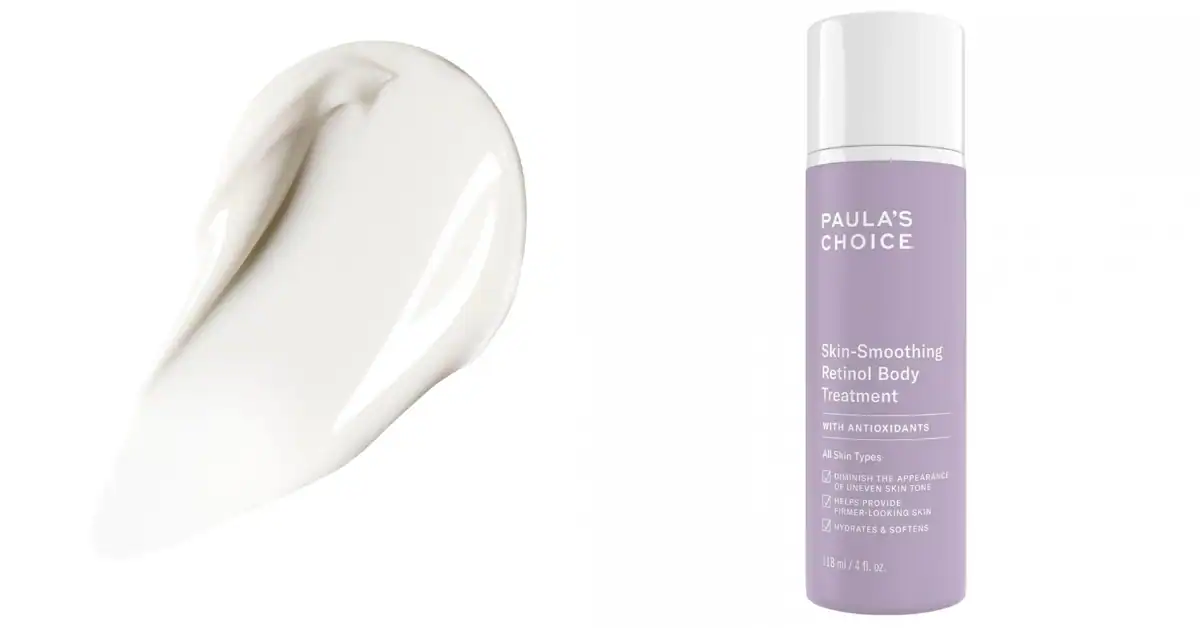
Paula’s Choice Retinol Body Treatment (118ml). Combines retinol with vitamin C, vitamin E, and evening primrose oil in a rich, hydrating base with shea butter. The formula works to smooth texture, improve firmness, and fade uneven tone while also nourishing the skin. It is a bit of an investment compared to other options, but if you want a dedicated retinol treatment for your body that also moisturizes, this one delivers real results.
The beauty of these products is that they multitask. You do not need to buy separate serums and moisturizers for your body. Whether you go with an affordable all-in-one option or invest in a dedicated treatment, these products combine actives with hydration in one step. Choose what fits your budget and skincare goals, and use it consistently.
Whether you choose a targeted serum or an all-in-one lotion, using it regularly is what makes the difference.
How to Build an Advanced Bodycare Routine
Now that you know your options, let me walk you through how to build a body skincare routine that actually works. The good news is, you do not need a ten-step routine for your body. Advanced bodycare is about using a few well-chosen products consistently, not about layering a dozen actives every night.
Here is a simple, effective approach.
Step 1: Start with One Active
If you are new to using actives on your body, start with one product and one concern. Do not try to introduce retinol, AHAs, and vitamin C all at once.
Choose the active that addresses your main concern. If you want to improve texture and tone, start with retinol or an AHA. If you want to fade dark spots, try niacinamide or vitamin C. If you have very dry, rough skin, start with urea.
This could be a dedicated treatment product, or it could be one of those multitasking body lotions I mentioned earlier. Either approach works. Choose what feels most realistic for your routine.
Use it two or three times a week at first, then increase frequency as your skin adjusts.
Step 2: Apply to Clean, Dry Skin
Just like with facial skincare, actives work best when applied to clean, dry skin. Shower or bathe as usual, pat your skin dry, and wait a few minutes before applying your active.
If you are using retinol, applying it to slightly damp skin can increase irritation. Let your skin dry completely first.
Step 3: Follow with a Moisturizer (If Needed)
If you are using a dedicated active serum or treatment, your skin will likely benefit from an additional layer of hydration on top, especially in the beginning.
However, if you are using one of those multitasking body lotions that combines actives with moisturizing ingredients (like the CeraVe, or Eucerin, products I mentioned earlier), you probably do not need an extra moisturizer. Those products are designed to hydrate and treat at the same time.
If you do need extra moisture, a simple, fragrance-free body lotion works well. Look for ingredients like ceramides, shea butter, or glycerin to support your skin barrier and reduce the risk of dryness or irritation.
Step 4: Protect Your Skin During the Day
If you are using actives like retinol, AHAs, or vitamin C on areas that are exposed to the sun (like your arms, chest, or hands), sunscreen is essential.
Body sunscreen does not need to be complicated. Choose a broad-spectrum SPF 30 or higher and apply it to any area that will be exposed. This protects your skin and allows your actives to work more effectively.
Step 5: Be Patient and Consistent
Just like with facial skincare, results take time. You probably will not see major changes in the first week or two. But if you use your products consistently, you will start to notice improvements in texture, tone, and overall skin quality after a few weeks.
Advanced bodycare is not about instant transformation. It is about steady, gradual improvement that builds over time.
What to Expect When You Start
When you first start using actives on your body, your skin may go through an adjustment period. This is normal, and it does not mean the products are not working.
You might notice some mild dryness, flaking, or sensitivity, especially if you are using retinol or AHAs. This usually improves as your skin gets used to the ingredient. If irritation is too uncomfortable, reduce how often you are using the product, or apply a thicker moisturizer on top to buffer the active.
Some people also experience a brief phase where their skin looks a bit worse before it looks better. This is especially common with retinol, as it speeds up cell turnover and brings old texture and congestion to the surface. It is temporary, and it usually resolves within a few weeks.
If you experience persistent redness, stinging, or discomfort, stop using the product and give your skin a break. Not every active works for every person, and that is okay. Listen to your skin and adjust accordingly.
Common Mistakes to Avoid
One of the biggest mistakes people make with advanced bodycare is using too much, too soon. Starting with daily use of a strong retinol or AHA often leads to irritation and frustration. Slow and steady wins the race here too.
Another mistake is neglecting sunscreen. If you are using actives that increase cell turnover or make your skin more sensitive to the sun, sunscreen is not optional. It is essential. Without it, you are not only risking sun damage, but you are also undermining the work your actives are doing.
Avoid layering multiple strong actives on the same night, especially in the beginning. Your body skin may be more resilient than your face in some ways, but it can still become overwhelmed. If you want to use both retinol and an AHA, alternate them on different nights rather than using both at once.
And do not expect instant results. Advanced bodycare works, but it works slowly. Give your routine at least six to eight weeks before deciding whether it is effective.
Is Advanced Bodycare Worth It?
A common question, and my honest answer is: it depends on what you are hoping to achieve.
If you are happy with your body skin and you do not have specific concerns, you do not need to add actives. A good moisturizer and sunscreen are more than enough.
But if you struggle with texture, uneven tone, keratosis pilaris, sun damage, or signs of aging on your body, advanced bodycare can make a real difference. It is not a luxury or a trend. It is simply an extension of the same thoughtful approach you already use on your face.
For me, it has been worth it. I like that my bodycare routine feels intentional now, not like an afterthought. I like seeing my skin improve in ways that basic lotion never achieved. And I like knowing that I am taking care of all of my skin, not just the visible parts.
Your body carries you through life. It deserves the same care and attention you give your face.
Conclusion
Advanced bodycare is not about perfection. It is not about having flawless skin from head to toe. It is about treating your body with the same respect and intention that you already bring to your facial skincare.
You do not need a complicated routine or to buy a dozen new products. You just need one or two well-chosen actives, a good moisturizer, sunscreen, and consistency.
Start where your skin is ready to start. Be patient. Be consistent. And remember that the best bodycare routine is the one you will actually follow.