Long Lasting Makeup Tips: How to Make Your Makeup Last All Day
You spent time doing your makeup. It looked great when you left the house. And by mid-afternoon, half of it has disappeared. Your foundation has faded. Your concealer has creased into every fine line around your eyes. Your lipstick is somewhere between your coffee cup and the past.
Sound familiar?
This must be one of the most common makeup frustrations out there. But the good news is that it is completely fixable. With the right long lasting makeup tips, you can go from constantly touching up to barely thinking about your makeup all day.
You might think the problem is the products you are using. So you keep buying different foundations, different powders, different setting sprays, hoping the next one will be the magic solution. And while products do matter, the real issue is usually not what you are using. It is how you are applying everything and, more importantly, what you are doing before you even pick up a brush.
Making makeup last all day is not about one miracle product. It is about a combination of small steps that work together. From how you prep your skin to how you set everything at the end. Each step makes a difference, and when you get the full process right, the results are honestly kind of life-changing.
So let me walk you through everything I have learned about making makeup last.
Why Makeup Fades in the First Place
Before we get into the how, it helps to understand the why.
Makeup fades for a few different reasons. Excess oil on your skin breaks down the products throughout the day. Touching your face without even thinking about it causes friction that wears everything off. Dehydrated skin makes products cling unevenly and flake. And environmental factors like heat and humidity speed the whole process up.
Understanding why your makeup fades helps you target the right solutions. If your T-zone is an oil slick by noon, the fix is different than if your makeup is flaking off dry patches. Once you figure out your specific issue, you can address it directly rather than trying everything and hoping something works.
Start with Your Skincare (Yes, Really)
I know this is a makeup post, but hear me out. This might be the most important of all long lasting makeup tips. Your skincare is the foundation of everything. Literally. I can not stress this enough.
If your skin is dry, flaky, or dehydrated, your makeup is going to cling to dry patches and look uneven within hours. If your skin is overly oily because your skin barrier is not barriering, your makeup is going to slide right off. Either way, the result is the same. Your makeup does not last and does not look good while it is fading.
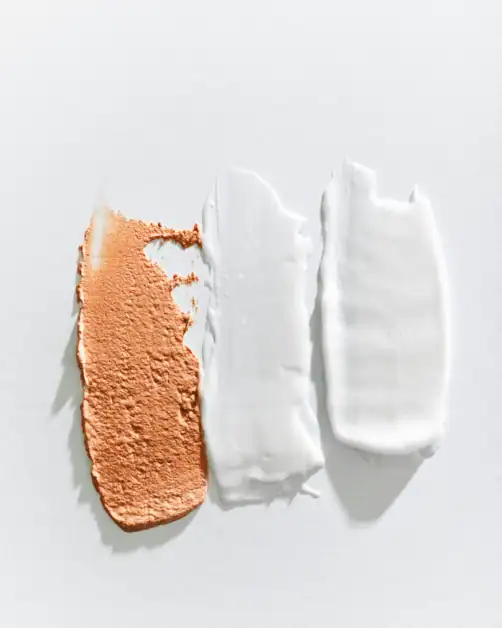
Before you even think about applying makeup, make sure your skin is properly cleansed, hydrated, and moisturized. Use a lightweight moisturizer that absorbs fully into your skin. And give it at least two to three minutes to settle before moving on to the next step. Most of us are way too impatient with this, myself included.
If your skin tends to be oily, do not skip the moisturizer thinking you do not need it or that it will make things worse. That is one of the biggest misconceptions out there. When your skin is properly hydrated, it actually produces less excess oil because it is not trying to compensate for dehydration. Use a lightweight, oil-free moisturizer and let it absorb completely.
If your skin is dry, make sure your moisturizer is rich enough to smooth out any dry patches, but not so heavy that it sits on top of your skin creating a slippery layer. You want a smooth, hydrated canvas, not a greasy one, right?
Exfoliating the night before you want your makeup to last can really help. When you remove that layer of dead skin cells, your makeup has a smoother surface to hold onto. However, I recommend doing this once a week, not every day, because over-exfoliating will do the opposite of what you want. Irritated skin does not hold makeup well either.
The Role of Primer
Now let’s talk about primer, because this one is a bit controversial. Some say you absolutely need it, others say it is just an extra layer your skin does not need. And honestly, both sides have a point.
A good primer creates a smooth base between your skincare and your makeup. It helps your foundation stick better, fills in pores and fine lines, and can control oil or add hydration depending on the formula.
But here is what I want you to know. Many primers are silicone-based, and while silicones are not harmful, they do sit on top of your skin rather than absorbing into it. For some skin types, especially if you are acne-prone or have sensitive skin, that extra layer can sometimes lead to congestion or breakouts over time.
So do you need a primer?
Not always. If your skincare prep is solid and your skin feels smooth and hydrated before makeup, your moisturizer might be doing the job already. Many professional makeup artists actually skip primer entirely and focus on skin prep instead.
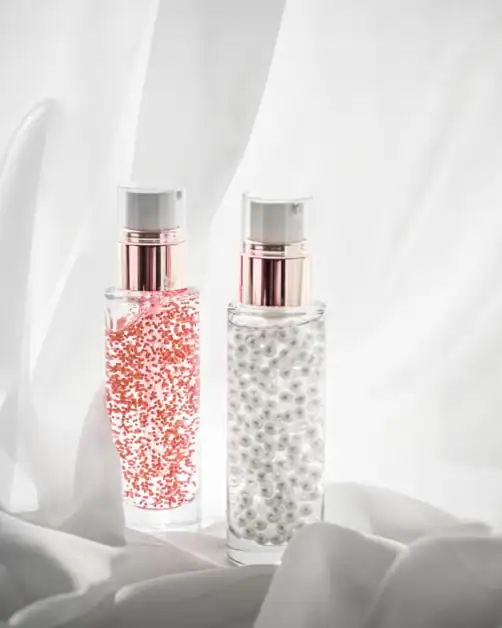
But if you do want to use one, choose wisely. If your skin is oily, look for a mattifying primer. If your skin is dry, a hydrating primer will help your makeup sit better. And if your skin is acne-prone, look for silicone-free or water-based formulas.
One more thing that many of us miss. Your primer and foundation should have compatible bases. If your foundation is water-based, use a water-based primer. If it is silicone-based, use a silicone-based primer. Mixing different bases is one of the most common reasons makeup pills, slides around, or separates throughout the day.
How do you check? Look at the first few ingredients on both products. If the primer lists ”dimethicone” or other silicones near the top and your foundation is mainly water-based, they will not work well together. It sounds like a small detail, but it makes a noticeable difference.
Less Product, Better Results
This might sound a bit strange, but one of the best long lasting makeup tips I can give you is to use less product than you think you need.
When you apply thick layers of foundation, concealer, and powder, you are giving your makeup more reasons to break down, crease, and separate as the day goes on. Thin layers sit closer to your skin and stay put. Thick layers sit on top and eventually slide off.
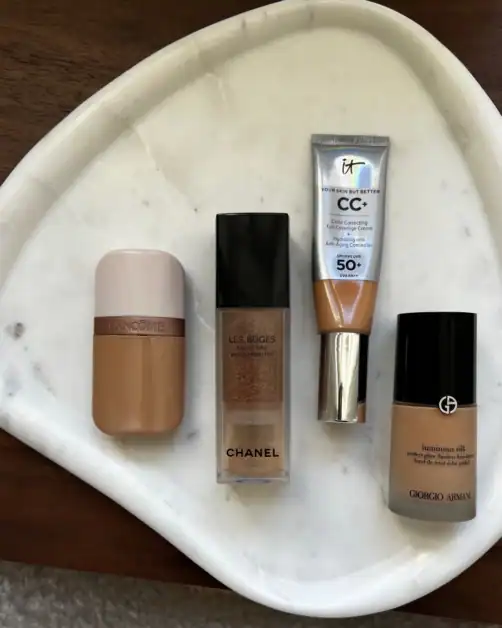
I personally always choose a lighter coverage foundation over a full coverage one. I start with a small amount, blend it out, and then if there are areas that need a bit more coverage, I build it up just on those spots. That way you get coverage where you need it but the rest of your face still looks like skin. Natural, soft, and glowy rather than heavy and mask-like.
Use concealer the same way. Think of it as a targeted tool, not a second layer of foundation. A little bit under the eyes, around the nose, over any blemishes. That is usually enough.
This is one of those tips that sounds too simple to actually work, but once you try it, you will notice the difference immediately.
Application Technique Matters More Than You Think
How you apply your makeup is just as important as what you apply. The tool you use and the way you use it can make a real difference in how long everything lasts.
For foundation, I find that a damp beauty sponge gives the best results. Dampen the sponge, squeeze out the excess water, and bounce it over your skin. The sponge presses the product into your skin rather than just laying it on top, which helps it stay put throughout the day.
If you prefer brushes, use a bouncing motion rather than dragging or sweeping. Dragging moves the product around and leave streak marks, while bouncing presses it into the skin more evenly.
For concealer, gently tap it into the skin with your ring finger or a small brush. Your ring finger is perfect because it naturally applies the least amount of pressure. Avoid rubbing or pulling, especially around the delicate eye area. The more you work the product, the more likely it is to crease later.
For powder products like blush, bronzer, and highlighter, build up gradually. It is always easier to add more than to fix too much. And if you want your makeup to last as long as possible, consider using cream formulas for blush and bronzer. Cream products melt into the skin and tend to last longer than powders on most skin types.
And one thing that makes a bigger difference than you might think. Wash your brushes and sponges at least once a week. Dirty tools hold old product and oils that can affect how smoothly your makeup goes on, and honestly it is just better for your skin too.
Want to see how I clean my brushes? Watch my reel below:
Setting Your Makeup: Powder, Spray, or Both
This is something that confuses a lot of us. You might think that if you already use a setting powder, you do not need a setting spray. But they actually do different things.
Setting powder absorbs oil and helps prevent creasing. It is especially useful under the eyes, on the T-zone, and anywhere your makeup tends to break down first. Use a translucent powder for the most natural finish and apply it with a light hand. A thin layer is the key.
Setting spray creates a light film over your makeup that helps keep everything in place and gives a more natural, skin-like finish rather than looking powdery. A few spritzes after you finish your makeup is enough.
Now, I want to be honest here. Some setting sprays contain ”denatured alcohol”, which can dry out your skin over time, especially if you have dry or sensitive skin. So I would not recommend using setting spray every single day. Save it for the days when you really need your makeup to last, like events or long days. And if you do use it regularly, look for alcohol-free or hydrating formulas.
If your skin is oily, focus more on setting powder in your problem areas and then finish with a mattifying setting spray on the days you need it. If your skin is dry, go easy on the powder, maybe just under the eyes and on the T-zone, and if you use a setting spray, choose a hydrating one.
The order matters too. Apply powder first to set your base. Then finish with setting spray to lock everything together and give it that final natural finish.
The Sandwich Method for Extra Longevity
If you really want your makeup to survive anything, whether it is a long event, summer heat, or just a day when you cannot touch up, try the sandwich method.
The idea is simple. After applying your foundation, lightly dust a thin layer of setting powder over it. Then apply your concealer on top of that powdered foundation. Set the concealer with another light layer of powder. Then finish with setting spray.
You are basically sandwiching your products between layers of powder, which helps each layer set on its own. The setting spray on top then brings everything together into one long-lasting base.
The key is keeping each layer thin. If you go heavy with any step, you will end up looking cakey, and nobody wants that. But when done with a light hand, this technique can genuinely keep your makeup looking fresh for twelve hours or more. I use this for events or days when I know I will not get a chance to touch up, and it has never let me down.
Touch-Up
Even with all of these long lasting makeup tips, some touch-ups during the day are completely normal. The goal is to make them quick and minimal.
Carry blotting papers with you. They are small, cheap, and incredibly effective. They absorb excess shine without disturbing your makeup underneath. Just press them gently onto oily areas, such as T-zone, instead of rubbing.
If you need to reapply powder during the day, use a light hand and only touch the areas that need it. Usually that is just the T-zone. Applying powder over your entire face multiple times throughout the day is how you end up with that cakey buildup by evening.
For lips, keep your lip product with you for reapplication after eating or drinking. If you want your lip color to last longer from the start, apply a lip liner all over your lips first as a base, then apply your lipstick, blot with a tissue, and apply a second thin layer. This layering technique adds staying power.
A cushion foundation can be great for midday touch-ups too. It gives you a fresh, dewy finish without the heaviness of reapplying liquid foundation. Just pat it over any areas that have faded. This is personally my favorite way to touch up during the day.
Common Mistakes That Kill Your Makeup Longevity
Let me run through the mistakes I see most often, because avoiding these alone can make a difference in your makeup game.
Touching your face throughout the day is probably the biggest one. It transfers oils from your hands to your makeup and breaks it down faster than almost anything else. I know it can be a hard habit to break, but just being aware of it helps.
Using too much moisturizer or not letting it absorb fully before applying makeup creates a slippery layer that prevents your foundation from sticking properly. Give your skincare at least two to three minutes. It feels like forever when you are in a rush, but it is worth it.
Skipping SPF is never the answer, but applying too much sunscreen can create a greasy layer that makes everything slide around. Use a lightweight formula and let it absorb completely before moving to primer. Some days I wait a full five minutes after SPF, and it helps a lot.
Not cleaning your makeup tools regularly is another thing that quietly ruins your makeup without you realizing it. Dirty sponges and brushes hold old product, oils, and bacteria that interfere with smooth application. Clean your sponge at least once a week and your brushes every two weeks. Your makeup will apply better and your skin will thank you.
And using expired products. Foundation and concealer that have been open too long can change texture, separate, or just not perform the way they used to. If you look at the back of your product, you will usually see a small symbol of an open jar with a number like 6M or 12M. That tells you how many months the product is good for after opening. If something smells off, applies differently, or has been open longer than that number suggests, it might be time to let it go.
My Personal Tips
A few things that have made the biggest difference for me personally.
For the days when I really need my makeup to last, I set my under-eye concealer first. That area creases the fastest, so I powder it right away before moving on to the rest of my face.
I use cream products wherever I can. Cream blush, cream bronzer. They blend into the skin and last longer than powders on my skin type.
And honestly, I do not wear makeup every day. But on the days I do, I want it to look effortless and last without me having to think about it. That is exactly why these tips matter so much to me.
If you want to see the exact products I personally use and love, you can browse them on my Klarna Creator storefront, which I update regularly with my current favorites.
For my US readers, I am currently setting up my ShopMy page, which will be ready soon.
Conclusion
Making your makeup last all day is not about finding one miracle product or spending more money. It is about the whole process, from skincare prep to application technique to setting. When each step is done thoughtfully, everything works together to keep your makeup looking fresh for hours.
If you only take away a few things from this post, let it be these. Prep your skin properly. Use less product than you think you need. And keep your tools clean.
Start with one or two tips and see how they change things. You might be surprised at how much longer your makeup lasts with just a few small adjustments to what you are already doing.
If you want help figuring out what your skin actually needs right now, download my free Glow Ritual Guide. It walks you through gentle rituals for different skin moods and helps you build a routine that adapts to how your skin feels right now.