
The Ultimate 5-Step Skincare Routine for Healthy, Glowing Skin





Building a long-lasting skincare routine can feel overwhelming, especially with so many products, steps, and opinions out there. And if you’re juggling a busy lifestyle, you might feel like you don’t even have time for skincare.
Creating a routine that truly works for you doesn’t happen overnight. Instead of going all-in from day one, I recommend starting small. If you’re entirely new to skincare, begin with just two simple steps. Once those feel natural, it becomes much easier to build from there and create a routine that actually sticks.
In this post, I’ll walk you through five essential steps that form the foundation of a healthy, glowing skincare routine no matter your skin type. I hope you’ll start to see the “red thread” connecting each step and understand not just what to do but why each step matters.
Taking care of your skin doesn’t have to be complicated. It’s all about finding what works for you and sticking to the basics.
Ready to get started? Let’s build your skincare routine step-by-step!
Identify Your Skin Type
Before we dive into the 5-step skincare routine, it’s important to identify your skin type. We all have different skin needs, so what works wonders for your friend might not be the best for you.
For the best results, it is important to determine your skin type. If you do not know from before, take a moment to figure out whether your skin is normal, oily, dry, combination, or sensitive. Our skin reacts differently to various ingredients, textures, and even fragrances, so understanding what your skin likes (and doesn’t like) is key. You might break out from a serum that your friend absolutely loves!
That’s why it’s important to take recommendations, especially the viral ones on TikTok, with a grain of salt. Unfortunately, skincare isn’t one-size-fits-all.
If you’re not sure about your skin type, don’t worry, I’ve written a complete guide on how to figure it out here.
You might already know your skin type. Maybe you’ve had oily, dry, or sensitive skin since your teenage years. However, it’s important to remember that our skin changes as we age and during different seasons due to variations in weather, humidity, and environmental conditions. Most of the time, our hormones are the ones to blame. For example, PMS and pregnancy can take a pretty serious toll on your skin.
The good news? Building a skincare routine doesn’t have to be complicated. To start, there are just five simple steps you need to follow and you can always build from there.
But before diving into the steps, take a moment to think about your skincare goals. What do you hope to achieve?
For example, if you have oily skin, your goal might be to manage shine. If your skin tends to be dry, focus on hydration and restoring that healthy glow. When you have a clear goal in mind, it becomes much easier (and more affordable!) to choose the right products that actually support your skin’s needs.
And one last reminder: skincare is a long game. Results don’t happen overnight, but with consistency, your skin will thank you. Just set aside a few minutes each morning and evening to care for your skin, it will pay off, I promise.
Step 1) Cleansing
Cleansing is the most fundamental step in any skincare routine, no matter your goals or skin type. It removes makeup, excess oil, dirt, and impurities that build up on your skin and inside your pores. It also helps prevent blackheads, pimples, and irritation and sets the foundation for all the following products.
Morning Cleansing
In the morning, cleansing removes excess oil, sweat, and dead skin cells that have accumulated overnight. It also removes any leftover product from your nighttime routine, especially heavier moisturizers or treatments so that your skin is fresh and ready to absorb your daytime products properly. This step ensures that the active ingredients in your serums or creams can work more effectively.
Night Cleansing
At night, cleansing is all about removing makeup, SPF, dirt, and pollution your skin has been exposed to throughout the day. If you wear makeup or sunscreen, I highly recommend double cleansing. Using an oil-based cleanser first to break down the makeup and dirt, followed by a gentle water-based cleanser to clean the skin.
Just a heads up: over-cleansing is also a thing. Washing your face too frequently or using harsh cleansers will dry out your skin and damage your skin barrier, leading to sensitivity or breakouts. (Read more about protecting your skin barrier here)
Cleansing keeps your skin clear and balanced and helps the rest of your skincare routine work better. If this step is skipped or rushed, products like serums or moisturizers can sit on top of dirt and oil, leading to clogged pores and under-the-surface breakouts. So don’t skip it!
Best Cleansers For Different Skin Types
Now that we have covered the importance of cleansing, the next step is choosing the right cleanser for your skin type. Just like with any skincare product, different skin types benefit from different textures and ingredients, and using a cleanser that suits your needs can make all the difference.
This post contains affiliate links. That means I may earn a small commission if you choose to make a purchase through one of my links at no extra cost to you.

Sensitive Skin
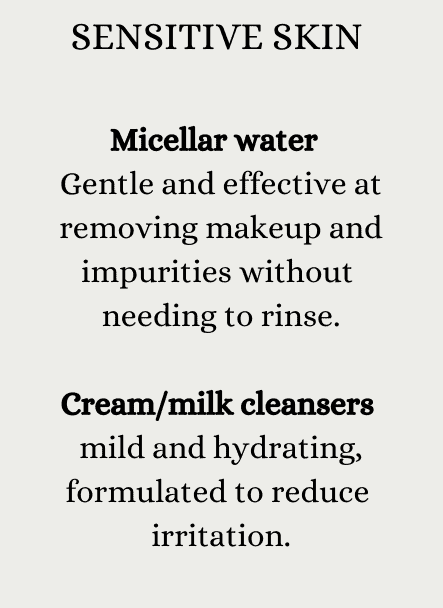
If you have sensitive skin, cream cleansers are usually the best match. Their rich, soothing textures are often packed with calming ingredients like aloe vera, chamomile, or oat extract, which help reduce redness and irritation without stripping the skin. One of my favorite examples is the Magic Milk Cream cleanser from Mantle. It’s a gentle, microbiome-balancing cleanser that removes makeup while nourishing the skin with almond oil, squalane, oat extract, and fruit enzymes. It’s the kind of product that feels like self-care in a bottle.

The Magic Milk Cream Cleanser
Dry Skin
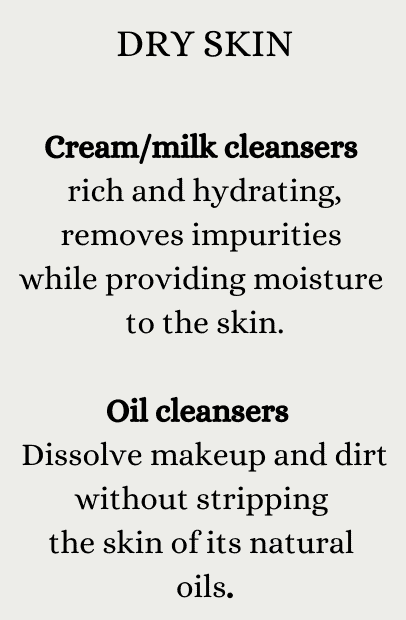
Those with dry skin often benefit from similar formulas. Cream and milk cleansers tend to hydrate while cleansing, helping the skin retain its moisture. Oil cleansers are also a great option for dry skin as they dissolve impurities and excess oils without leaving the skin tight or dry. They do double duty by nourishing while they cleanse.
Normal / Combination Skin
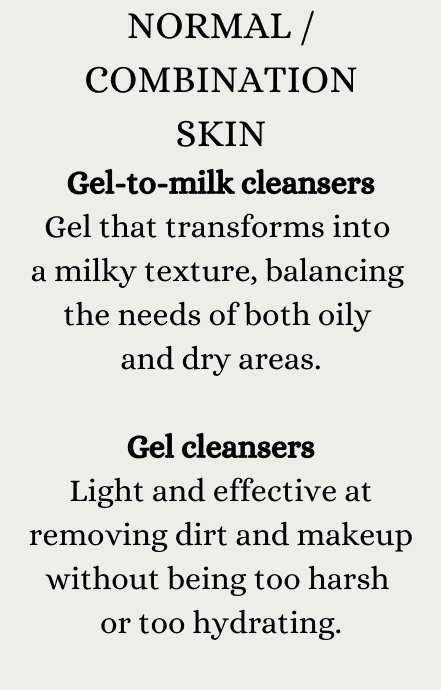
If your skin is normal or a combination, gel or gel-to-milk cleansers are a perfect in-between. They help balance oil production and maintain hydration, leaving the skin feeling clean but not squeaky. These cleansers work well to keep your skin feeling refreshed and comfortable, especially if your T-zone gets oily while your cheeks stay dry.
Oily or Acne-Prone Skin
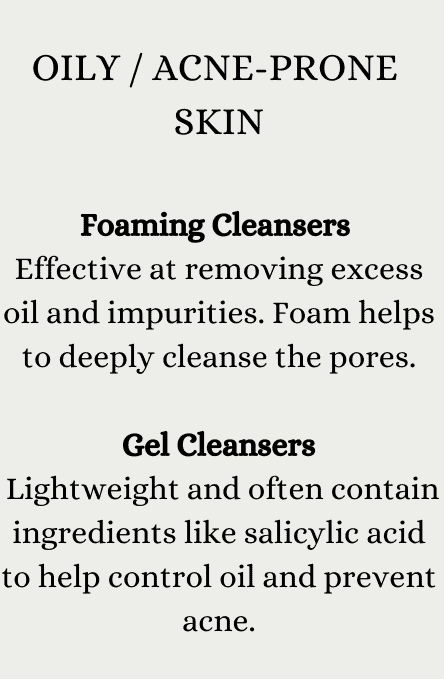
For oily or acne-prone skin, foaming and gel cleansers are your go-to. These formulas are designed to deeply cleanse, lifting away excess sebum and unclogging pores, which can help prevent breakouts. A foaming cleanser provides that fresh, clean feeling, while a gel cleanser gives a deeper cleanse without drying your skin out too much.
All Skin Types
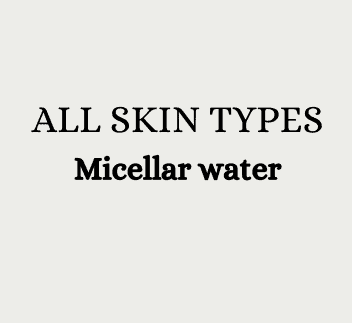
And finally, micellar water is a gentle, universal option that works across all skin types. It’s especially helpful as a first cleanse to remove makeup, dirt, and sunscreen before using your regular cleanser. I often like using micellar water in my double cleansing routine. It’s lightweight like water, but super effective at breaking down impurities.

Step 2) Toning
The next important step in our 5-step skincare routine is nothing less than a toner. Toner is all about giving your skin an extra (gentle) shot of nutrients to prepare it for the next steps in your skincare game. It’s like a refreshing reset that not only helps your skin absorb everything that comes after but also balances things out after cleansing.
When we rinse off our cleanser with tap water, it can leave behind tiny mineral residues on the skin — especially in areas with harder water. This invisible film might interfere with how well your serums and creams absorb. That’s where toner comes in.
Adding a toner to your routine helps sweep away any lingering residue, rebalance your skin’s pH after cleansing, and create the perfect base for the next steps in your routine. It’s a small step that makes a noticeable difference.
Make sure to choose a toner that suits your skin type. I always recommend using alcohol-free formulas, especially those that include ingredients like hyaluronic acid, rose water, or vitamins E and C. These types of toners are hydrating and calming and help brighten and balance the skin without irritation.
Step 3) Apply serum
Serums are where your skincare routine starts to get more targeted. This step is all about choosing a serum that supports your skincare goals. Whether that’s hydration, glow, calming, or treating specific concerns like breakouts or fine lines.
Serums usually have a lightweight, fluid, or gel-like texture that allows them to absorb quickly into the skin. They’re formulated with smaller molecules than creams or moisturizers. This means, they can penetrate deeper and deliver active ingredients directly to the lower layers of the skin.
What makes serums so powerful is their high concentration of active ingredients. You’ll often find vitamins, antioxidants, peptides, or hydrating agents like hyaluronic acid packed into just a few drops. That’s also why serums tend to be the most expensive products in your routine, but also the most effective.
If you’re dealing with specific concerns like fine lines, hyperpigmentation, acne, or dehydration, this step helps you treat them directly. But even if you don’t have a particular issue, a hydrating or antioxidant serum is always a safe choice.
If you’re looking for a daytime serum that boosts glow and helps brighten the skin, vitamin C is a popular and well-loved option and for good reason. It works as an antioxidant, protects the skin from environmental stressors, and helps promote a radiant, even-toned complexion.
One of my favorites (and a cult favorite among skincare enthusiasts) is the SkinCeuticals C E Ferulic Serum. It combines C and E vitamin and ferulic acid to create a powerful antioxidant blend that brightens and helps soften the appearance of fine lines.
“SkinCeuticals C E Ferulic Serum is designed to offer advanced protection against environmental aggressors. Combining a trio of hero ingredients, the daytime vitamin C serum promotes a radiant complexion, while helping to soften the appearance of fine lines. A synergistic antioxidant blend of vitamins C, E, and ferulic acid promotes a brighter and more evenly-toned visage.”

It’s definitely a splurge, but it’s worth it if you’re serious about glow and long-term skin protection. PS. If you are new to C vitamin in skincare, read my post about Vitamin C serums here.
Step 4) Moisturize
Moisturizing your skin is a crucial step in any skincare routine — no matter your skin type. Whether your skin is oily, dry, or somewhere in between, hydration is key to keeping it healthy and balanced. So, if you’ve ever felt tempted to skip this step — don’t.
A good moisturizer is your skin’s daily comfort blanket, and an essential part of maintaining a smooth, glowy, and youthful-looking appearance.
Moisturizers help replenish the moisture your skin naturally loses throughout the day due to environmental factors like sun, wind, and pollution. They also prevent dryness and flakiness by creating a protective layer on the surface of your skin, helping to lock in hydration and support your skin barrier.
Keeping your skin well-moisturized has several long-term benefits. It helps maintain elasticity, prevent premature aging, and keep your skin soft and supple. It also strengthens your skin’s barrier, which protects it from irritants and environmental stressors. And even if you have oily skin, moisturizing is still essential. Skipping it can actually cause your skin to produce more oil in an attempt to rebalance itself.
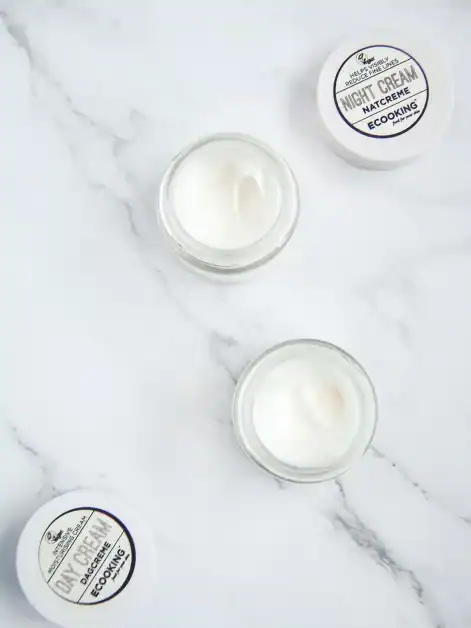
In general, it’s recommended to use different moisturizers for day and night. Lighter textures during the day layer better under makeup and SPF. Richer creams at night help nourish and repair the skin as you sleep. If that feels like too much at first, a 24-hour moisturizer that works both morning and evening is a perfect place to start.
Of course, not all moisturizers are created equal and the best one for you depends on your skin type. If you have dry skin, look for rich creams with ingredients like ceramides and hyaluronic acid. They help deeply hydrate and protect the skin.
For oily or acne-prone skin, opt for lightweight, water-based moisturizers like gels or gel creams. These hydrate without clogging pores.
If your skin is normal, lotions are a great middle ground. They are not too thick, not too light, offering just the right amount of moisture.
Step 5) Use sunscreen
Using sunscreen daily, even on cloudy winter days, is one of the most important things you can do for your skin. It’s not just a “summer thing” or a beach-day product. Sunscreen protects your skin from the harmful effects of UV radiation, which is the number one cause of premature aging, sunburn, hyperpigmentation, and even skin cancer.
Think of sunscreen as the ultimate shield in your skincare routine. It doesn’t just protect, it also helps your other skincare products do their job better. Sunscreen prevents UV damage that can undo all the hard work of your serums, moisturizers, and treatments.
Regardless of your skin type or tone, sunscreen is essential. Make it a non-negotiable final step in your morning routine. It really is a game changer for keeping your skin healthy, youthful, and evenly toned over time.
Unlock Your Skin’s Full Potential
By following this 5-step skincare routine every day, I’m confident you’ll start seeing results and feeling more connected to your skin in the process. Let me know your current skincare routine in the comments below. Which step is most important to you? Or is there a step you’re excited to start adding in?