Cica Skincare: Everything You Need to Know About This Ingredient
Another skincare ingredient that truly deserves its own blog post. Cica, or centella asiatica, is an ingredient that has been around for a very long time but somehow it feels like it is everywhere right now. More and more products seem to include it in their formula, and I think there is a really good reason for that.
Cica is not a new ingredient by any means. Brands have been using centella asiatica in their formulas for years. La Roche-Posay’s Cicaplast Baume is probably one of the most well-known cica products out there and has been a staple for years. Kiehl’s has their Centella Sensitive Cica-Cream, Dior uses it in their Le Baume, and Chanel includes it in their Le Lift range. So this is an ingredient that is trusted across the board, from pharmacy skincare to luxury brands and definitely also in Korean beauty.
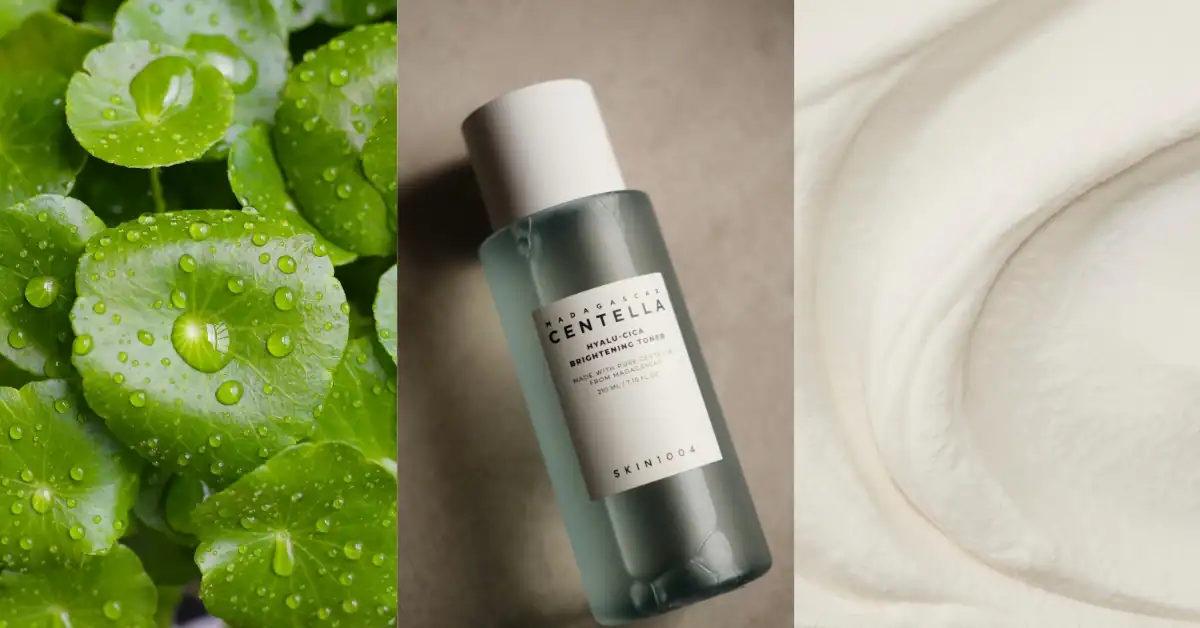
I do feel like cica really got its moment in the spotlight when Korean beauty became popular. Brands like Dr. Jart+ and Skin1004 started putting cica front and center, giving it its own product lines and making it a hero ingredient rather than just something quietly sitting in the formula. And I think that is when most of us actually became aware of what cica can do.
So let me walk you through what cica actually is, what it does for your skin, and why I think it potentially deserves a place in your routine.
The Story Behind Cica
One thing you may not know about cica is the story behind its nickname. It is actually called “tiger grass” because tigers in the wild were seen rolling in this plant to heal their wounds. Imagine a tiger after a fight, going straight to this plant to soothe and heal itself. That tells quite a lot about this ingredient, right? That is how centella asiatica was originally discovered and that is where the name comes from.
The plant itself is native to Asia and parts of Africa and has been used in traditional medicine, including Ayurvedic and Chinese medicine, for centuries. It was used for wound healing, skin repair, and reducing inflammation long before it ever ended up in a skincare product. So when I say this ingredient has been around for a while, I really mean it.
What can be a bit confusing is that this ingredient goes by many names. Centella asiatica is the scientific name, cica comes from the Latin word cicatrix which means scar, tiger grass comes from the story of the tigers, and gotu kola is the traditional Ayurvedic name. But they are all the same hero plant.

What Does Cica Actually Do for Your Skin
Centella asiatica contains four key active compounds that make it so effective for the skin. These are madecassoside, asiaticoside, madecassic acid, and asiatic acid. Together, they work to calm, repair, and protect the skin in several ways.
Soothes and Calms Inflammation
This is probably what cica is most known for. If your skin is red, irritated, or reactive, cica can help calm it down. It has strong anti-inflammatory properties, which is why it is often recommended for sensitive skin types or for those dealing with redness and irritation. It is also a popular ingredient to use after more intense treatments like retinol, chemical peels, or for example microneedling because it helps soothe the skin and support recovery.
Strengthens the Skin Barrier
A healthy skin barrier is what keeps moisture in and irritants out. When your barrier is compromised, your skin can feel dry, tight, sensitive, and reactive. Cica helps strengthen and repair the barrier by boosting the production of ceramides and supporting the skin’s natural protective layer. If your barrier has been damaged by over-exfoliation or harsh products, cica can really help bring it back to a healthier state.
Supports Collagen Production
The active compounds in centella asiatica, especially madecassoside and asiaticoside, have been shown to stimulate collagen synthesis. This means that over time, consistent use of cica can help improve skin firmness and elasticity and reduce the appearance of fine lines. It is not as potent as for example retinol when it comes to anti-aging, but it offers a gentle, supporting effect that works well alongside other ingredients.
Helps with Wound Healing and Scarring
This is actually one of the original uses of centella asiatica in traditional medicine. It helps accelerate the skin’s natural healing process, which makes it useful for post-acne marks, minor scars, and general skin repair. If you are dealing with acne scars or post-inflammatory hyperpigmentation, cica can be a helpful addition to your routine over time.
Provides Antioxidant Protection
Cica also has antioxidant properties that help protect the skin from environmental stressors like pollution and UV damage. It is definitely not a replacement for sunscreen, but it adds an extra layer of protection that supports your skin’s long-term health.
Who Is Cica Best For
The amazing thing about cica is that it works for pretty much every skin type. But it is especially amazing for a few specific concerns.
If your skin is sensitive or reactive, cica is probably one of the best ingredients you can reach for. It calms irritation without being harsh or overwhelming.
A damaged skin barrier, whether from over-exfoliating, using too many active ingredients at once, or just from environmental stress, is another area where cica really shines. It helps repair and rebuild it.
For those of you using strong actives like retinol or acids, incorporating a cica product can help balance out any irritation and keep your skin calm while the actives do their work.
Or if you are dealing with redness or rosacea, cica’s anti-inflammatory properties can help reduce that over time.
And even if your skin is perfectly fine, cica is just a great ingredient for overall skin health and maintenance. Think of it as the ingredient that keeps everything balanced and calm.
How to Use Cica in Your Routine
It is one of the easiest ingredients to incorporate into any routine because it plays well with almost everything. You can use it in both your morning and evening routine without any issues.
If you want to know more about the difference between a morning and evening skincare routine, I wrote a post about that too. You can read it by pressing the link below.
Morning and Night Skincare Routine: How they Differ and Why It Matters
Cica comes in many different product formats. Cleansers, toners, serums, moisturizers, sheet masks, and even sunscreens. The format you choose depends on what your skin needs and where you want to add it in your routine.
One thing I really like about cica is that as far as I know, it works well with every other skincare ingredient. Since it is soothing and anti-inflammatory by nature, it actually helps other ingredients work better rather than conflicting with them. It pairs beautifully with hyaluronic acid for extra hydration, with niacinamide for barrier support and oil control, and it can even help soothe the skin when you are using retinol.

If you want to learn more about niacinamide and how it works, I wrote a full guide on it. You can read it by pressing the link below.
Niacinamide: What It Does, How to Use It, and Why Your Skin Needs It
Cica Products Worth Trying
As I mentioned, cica comes in many different product formats and there are so many great ones out there. I have a bit more sensitive skin and these are the ones I have been loving for a while already.
The Hyalu-Cica Moisture Cream combines 50 percent centella asiatica extract with hyaluronic acid and niacinamide. The formula is incredibly light but at the same time extremely soothing and hydrating. It just calms the skin down while moisturizing. This one is great if you want hydration and soothing in one product without any heaviness.
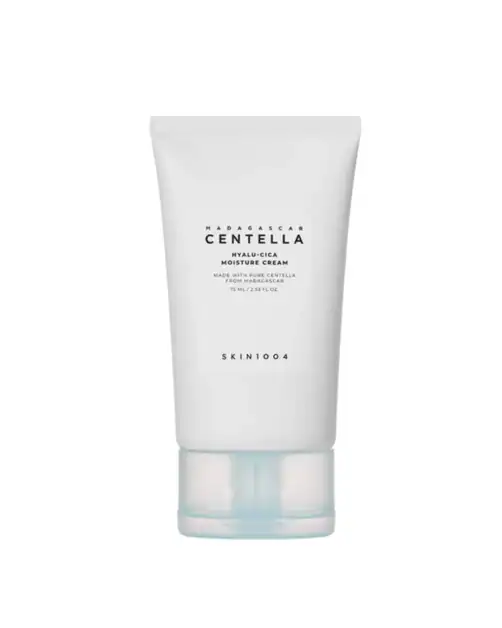
Skin 1004 Hyalu-Cica Moisture Cream. Find the product here.
Their Madagascar Centella Soothing Cream is more focused on repair. It contains 72 percent centella asiatica extract along with ceramides, which means it is even more concentrated on calming and rebuilding the skin. The texture is surprisingly light and gel-like, so it works really well for oily or combination skin. I also like using it as a calming step before my moisturizer when my skin needs some extra soothing.
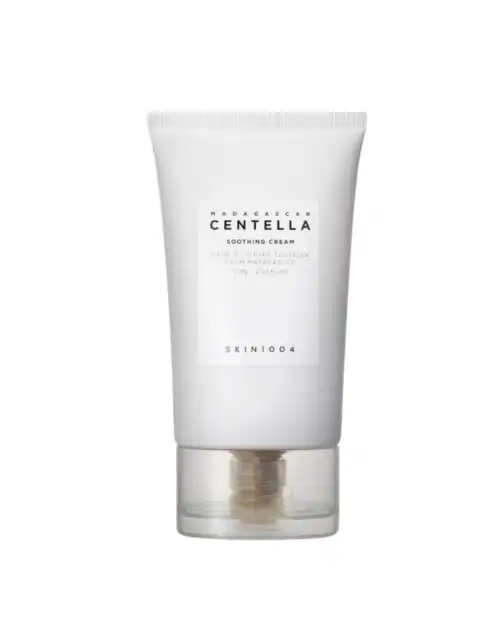
Skin 1004 Soothing Cica Cream. Find the product here.
Another cica product that is absolutely worth mentioning is the La Roche-Posay Cicaplast Baume B5+. I’ve recommended it before. This is probably one of the most iconic cica products on the market. It has been around for years and it is a staple for a reason. The formula is definitely thicker than the Skin1004 products but it still absorbs nicely into the skin. You can use it pretty much everywhere you need soothing and repairing effects, on your face and body. It is one of those products that is great to always have at home.
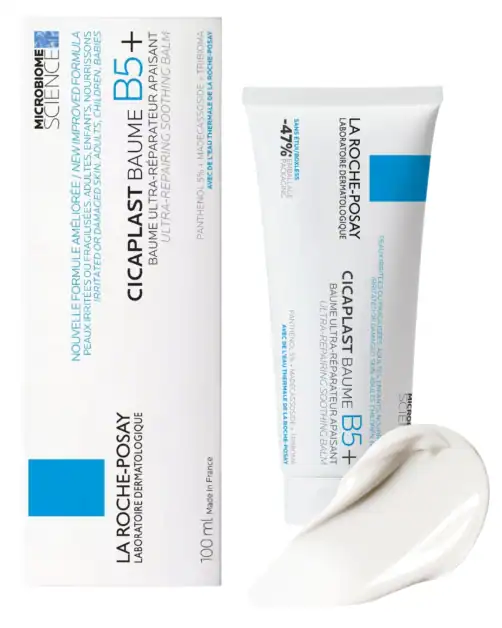
La Roche-Posay Cicaplast Baume B5+. Find the product here.
And if you enjoy sheet masking, the VT Cosmetics Cica Sheet Masks are a nice option for a daily cica boost. They are not my absolute favorite sheet masks of all time, but they do a good job at calming and hydrating the skin. You get 30 pieces for under 30 euros, so less than 1 euro per mask which is really good value.
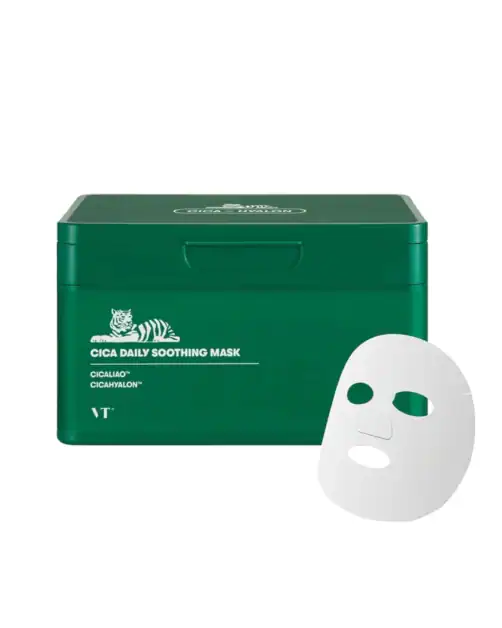
VT Cosmetics Cica Daily Soothing Mask. Find the product here.
Conclusion
Cica is one of those ingredients that I think every skin type can benefit from. Whether your skin is sensitive, irritated, over-exfoliated, or just in need of some extra calm, centella asiatica has you covered.
It is gentle enough to use every day, it plays well with other ingredients, and it has been trusted for centuries. From tigers healing their wounds to luxury skincare formulas, cica has proven itself time and time again.
If you have never tried a cica product before, I genuinely think it is worth adding to your routine.
If you want to stay updated on skincare tips, new blog posts, and honest product recommendations, sign up for my newsletter. I would love to have you. You can sign up here and get my free Glow Ritual Guide.
This post contains affiliate links. If you choose to purchase through them, I may earn a small commission at no extra cost to you. . Thank you for supporting Glowhaven 🤍