

Gut Health and Skin: What Supplements Actually Work
Have you been skeptical about supplements?
I was. For years, actually.
I knew gut health and skin were connected. As a cosmetologist, I understood the science behind the gut-skin axis. But taking collagen powder or probiotics to genuinely improve my skin? That felt like wellness industry marketing dressed up as science.
Then I started actually reading the research. And trying things myself. And paying attention to what happened when I did.
Actually, this was one of the topics I wanted to write my Master’s thesis about. The connection between skincare supplements and the “beauty from within” marketing hype. I didn’t end up going that route, but I saved all the interesting articles and studies to read later.
Well, later was now. When I decided to write this blog post, I finally went through everything I had bookmarked. All the research I had been meaning to dig into when I was trying to separate science from marketing BS.
And honestly? I’m glad I kept digging into it.
And here’s what I learned. Your gut and your skin are more connected than most of us realize. Not in a vague “wellness guru on Instagram” way. In a legitimate, scientifically backed way that makes sense.
So if you’ve ever wondered whether collagen powder is worth the money, or if probiotics can actually help your acne, or if those expensive skin supplements are just expensive pee (meaning your body isn’t absorbing them), this post is for you.
Because I’m going to tell you what actually works, what’s just marketing, and what I’ve tried myself.
The Connection Between Gut Health and Skin
Let me explain this as simply as I can.
Your gut is home to trillions of bacteria. Some good, some bad. When the balance is right, your gut does its job. It digests food, absorbs nutrients, supports your immune system, and keeps inflammation in check.
When the balance is off, things get messy. Your gut becomes more permeable, which means things that should stay in your digestive system can leak into your bloodstream. Your immune system freaks out. Inflammation increases. And that inflammation does not stay in your gut. It shows up everywhere, including your skin.
There is a direct pathway between your gut microbiome and your skin, often called the gut-skin axis.
When your gut is inflamed, your skin often follows. Acne, eczema, rosacea, psoriasis, and general sensitivity can all be linked to gut health. Not always, but often enough that it is worth paying attention to.
So when people say “heal your gut, heal your skin,” they are not entirely wrong. There is a real connection. But it is not the only factor. Your skin is affected by genetics, hormones, stress, sleep, what you put on it, and yes, what you eat and how healthy your gut is. It is all connected.

My Experience with Supplements
I actually tried collagen powder years ago, back when it first became trendy. I did not notice anything, so I stopped using it.
But last summer, I decided to give it another try. This time, I was more consistent. And after a few months, I noticed my skin looked different. Plumper. More hydrated. Fine lines around my eyes seemed less pronounced. It was not dramatic, but it was noticeable enough that I kept using it.
I also take vitamin D regularly, especially during Finnish winters when the sun barely exists. And zinc, which I started taking when I was dealing with some stubborn breakouts that would not quit no matter what I put on my face.
Did these supplements fix everything? No. But they helped. And the science backs up why.
Here is what actually works, what the research says, and what you should know before spending money on any of this.
Collagen: Does It Actually Work?
Collagen is the most hyped supplement in beauty right now. It feels like every brand has one and many influencers swear by it. But does it actually do anything?
The short answer is yes, but not in the way you might think.
When you take collagen orally, your body breaks it down into amino acids. It does not just go directly to your skin and fill in your wrinkles like a topical serum would. Instead, those amino acids are used by your body to support collagen production wherever it is needed, which includes your skin, but also your joints, bones, and connective tissue.
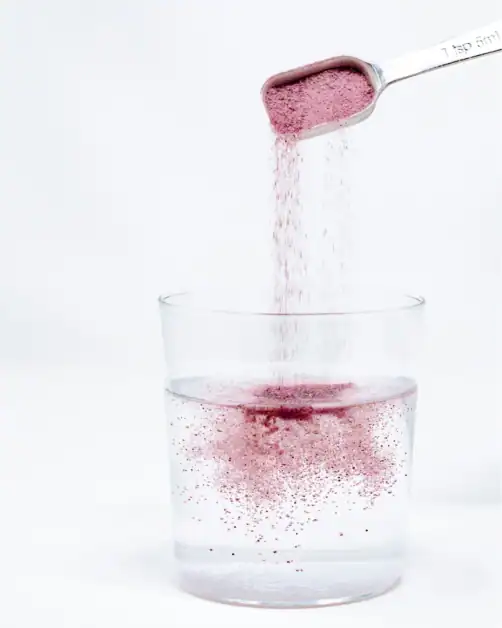
Studies show that taking collagen peptides, specifically hydrolyzed collagen which is easier for your body to absorb, can improve skin elasticity, hydration, and the appearance of fine lines. Not overnight. Not dramatically. But over weeks and months, the difference becomes noticeable.
If you are going to try it, look for hydrolyzed collagen peptides with Type I collagen (the most important for skin). Type III is a bonus but not essential. Most effective dosages are around 2.5 to 10 grams per day.
Here is the thing though. Collagen works best as a long-term investment, not a quick fix. If you are looking for immediate results, this is not it. But if you are willing to take it consistently for a few months, you will probably notice a difference in skin texture, hydration, and firmness.
Probiotics: Can They Really Help Your Skin?
Probiotics are live bacteria that support your gut microbiome. And yes, they can genuinely help your skin, especially if you deal with acne, rosacea, or eczema.
Here is why.
When your gut microbiome is balanced, inflammation stays low. Your immune system stays calm. Your skin barrier stays strong. But when your gut is off, inflammation increases, and your skin often reacts.
Probiotics help restore that balance. They support the good bacteria in your gut, which reduces inflammation and strengthens your gut lining. And when your gut is healthier, your skin often improves.
Research shows that certain strains of probiotics can help with acne by reducing inflammation and balancing oil production. Other strains can help with eczema by strengthening the skin barrier and calming immune responses.
When you are shopping for probiotics, look for strains like Lactobacillus and Bifidobacterium, since these are the most researched for skin health. The label will show a number followed by “CFU,” which stands for colony-forming units. Basically, it tells you how many living bacteria are in each dose. You want at least 1 billion, but 10 billion or more is better. And make sure the product says it is shelf-stable or needs to be refrigerated. Probiotics are living organisms, so they need to stay alive to actually work.
They work especially well for acne-prone skin, particularly hormonal or inflammatory acne. But if you have eczema, rosacea, or just generally sensitive and reactive skin, probiotics are worth trying.
But here is the truth. Probiotics are not a miracle cure. They can help, especially if your skin issues are linked to gut health. If you have digestive issues alongside skin issues, that is a sign probiotics might actually make a difference. Give it at least 8 to 12 weeks to see results.
Omega-3 Fatty Acids: For Dry, Sensitive, and Inflamed Skin
Omega-3s are anti-inflammatory fats found in fish oil, algae oil, and flaxseed oil. They support your skin barrier, reduce inflammation, and help your skin retain moisture.
If you have dry skin, eczema, or general sensitivity, omega-3s can genuinely help. They work by strengthening the lipid barrier in your skin, which keeps moisture in and irritants out. Research also shows that omega-3s can help with acne by reducing inflammation and balancing sebum production. They are not a cure, but they can support clearer, calmer skin over time.
When choosing an omega-3 supplement, look for EPA and DHA, which are the active forms. Most effective dosages are around 1,000 to 2,000 mg per day. You can choose fish oil, krill oil, or algae oil. Algae oil is vegan and just as effective as fish oil.
Omega-3s work especially well for dry, flaky, or dehydrated skin. If you have eczema, psoriasis, or just sensitive, reactive skin, this is one supplement worth trying. It also helps with inflammatory acne.
Omega-3s are one of the most underrated supplements for skin health. They are not flashy. They do not promise instant results. But they genuinely work, especially if your skin is dry, sensitive, or inflamed.
Vitamin D: For Barrier Health and Immune Support
Vitamin D is not just for bone health. It plays a crucial role in skin barrier function, immune regulation, and inflammation control.
Low vitamin D levels are linked to eczema, psoriasis, acne, and general skin sensitivity. And if you live somewhere with long, dark winters like I do in Finland, you are probably not getting enough from the sun.
I take vitamin D every day during the winter months, and I notice a difference in my skin when I do. It looks healthier. More resilient. Less reactive. I use vitamin D3 at 2500 IU. The one I use is linked in the image below.
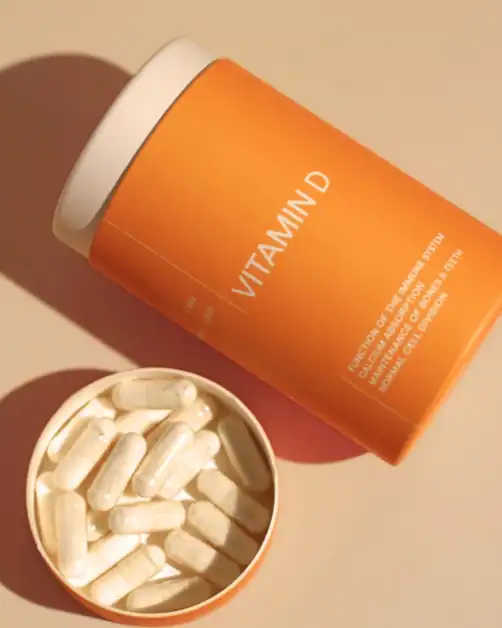
If you are going to supplement with vitamin D, choose vitamin D3, also called cholecalciferol, not D2. D3 is more effective. Most people do well with around 1,000 to 2,000 IU per day, or more if you are deficient. If you can, get your levels tested. And take it with a meal that contains fat, since vitamin D is fat-soluble and absorbs better that way.
It works especially well for dry, sensitive skin, eczema, psoriasis, and acne, since vitamin D helps regulate immune responses. Honestly, if you live in a place with limited sunlight, vitamin D is one of those supplements most people should probably be taking. It is affordable, well-researched, and genuinely effective.
Zinc: For Acne and Inflammation
Zinc is a mineral that supports immune function, wound healing, and oil production. It is especially helpful for acne-prone skin because it reduces inflammation and regulates sebum.
I had been taking zinc for a while before I stopped taking birth control pills. I was aware that stopping the pill can trigger hormonal breakouts, so I made sure to keep taking zinc throughout the transition. My skin stayed clear. I cannot say for sure if zinc is the reason, but I did not get the breakouts that many people experience when stopping the pill.
If you want to try zinc, look for zinc picolinate or zinc citrate, since these are the most absorbable forms. The effective dosage is around 15 to 30 mg per day. Do not go higher without consulting a doctor, because too much zinc can interfere with copper absorption. And take it with food to avoid nausea.
Zinc works especially well for acne-prone skin, particularly inflammatory or hormonal acne. It also helps with oily skin, slow wound healing, and general redness or irritation. But do not overdo it. More is not better. Stick to the recommended dosage and listen to your body.
What About “Skin Supplements” with Everything in One?
You have probably seen those all-in-one skin supplements that promise glowing skin, stronger hair, and better nails. They usually contain a mix of vitamins, minerals, antioxidants, and sometimes collagen or biotin.
Are they worth it?
Honestly, it depends.
Some of these supplements are well-formulated and contain effective doses of ingredients that actually work. Others are overpriced multivitamins with a fancy marketing campaign.
If you are going to buy an all-in-one skin supplement, look at the ingredient list and dosages. Make sure it contains effective amounts of the ingredients that actually matter, like collagen, vitamin C, vitamin E, zinc, and biotin.
But if you want more control and better value, buying individual supplements is often a smarter choice, in my opinion. (I would not use or recommend a 3-in-1 shampoo for hair, face, and body either. Same logic applies here).
What Does Not Work (Or Is Just Overhyped)
Let me save you some money.
Biotin for skin does not do much unless your body is lacking it, and most people already have enough biotin naturally. Biotin is great for hair and nails, but if your skin is the main concern, skip it and focus on collagen, omega-3s, or zinc instead.
Detox teas and cleanses are marketing, not science. Your liver and kidneys already detox your body. You do not need a tea or a juice cleanse to clear toxins from your skin.
And those expensive beauty elixirs that some brands charge ridiculous amounts for? Most of them contain mostly filler ingredients and tiny amounts of actives. Read the label. If the effective ingredients are buried at the bottom of the list, it is not worth the money.
What to Use Based on Your Skin
For dry, sensitive skin, omega-3s make the biggest difference. Add vitamin D if you live somewhere with limited sun, and collagen if you want to work on hydration and texture long-term.
If you deal with acne, zinc is where I would start, especially if your breakouts are hormonal or inflammatory. Probiotics can help if you also have digestive issues, and omega-3s work well for calming overall inflammation.
For aging concerns, collagen is your main one. Pair it with vitamin C, either topical or oral, and omega-3s to support your skin barrier and keep things firm and hydrated.
If you have eczema, rosacea, or any inflammatory skin condition, probiotics and omega-3s are the most effective. Add vitamin D if you are deficient or live in a cold climate.
The Truth About Supplements and Skin
Here is what I want you to understand.
Supplements are not magic. They will not fix bad skincare habits, poor sleep, or chronic stress. They are not a replacement for a good routine, sunscreen, or professional treatments.
But they can support your skin from the inside. They can fill nutritional gaps. They can reduce inflammation, strengthen your barrier, and improve how your skin looks and feels over time.
The key is consistency. You will not see results in a week. You need to give supplements at least 8 to 12 weeks to work. And you need to choose the right ones for your skin type and concerns.
I take collagen, vitamin D, and zinc regularly. I notice a difference when I do. My skin looks healthier. More resilient. More glowing.
But I also eat well (try to), sleep enough (most nights), and have a solid skincare routine. Supplements are part of the equation, not the whole thing.

Conclusion
If you have been curious about whether supplements can actually help your skin, the answer is yes, but only if you choose the right ones and use them consistently.
Start with one or two that make sense for your skin type. Give them time. Pay attention to how your skin responds. And do not fall for overhyped products with unrealistic promises.
Your skin is a reflection of your overall health. What you put in your body matters just as much as what you put on your skin.
And if nothing else, at least now you know which supplements are worth your money and which ones are just expensive marketing.


2 Comments
Emilia
March 1, 2026 at 14:13
This was very interesting article!! For me daily 20mcg of D-vitamin was never enough (lab test showed deficiency) so its crazy how health authorities suggest only 10mcg per day! I have also been wondering about collagen powders. Now I might give them a try! Do you know anything about spirulina? I heard it can be anti-aging aswell. I put it in my smoothie sometimes…
Ida
March 1, 2026 at 20:46
Thank you so much for reading and for sharing your experience! 🤍
The D-vitamin thing is so real, I feel like the recommended amounts are sometimes way too low for a lot of people, especially here in the Nordics where we barely see the sun for months. So good that you got your levels tested and found what actually works for you.
Collagen is definitely worth trying, I talk more about it in the post so hopefully that helps you decide but if you give them a try, look for hydrolyzed collagen peptides with Type I collagen as it’s the most important for skin.
And spirulina is interesting, it is packed with antioxidants and nutrients so I can see why people love it. I haven’t researched it deeply enough yet to say too much but it could actually be a fun topic for a future blog post.
Thanks for the idea!
Let me know how the collagen goes if you try it!🤍