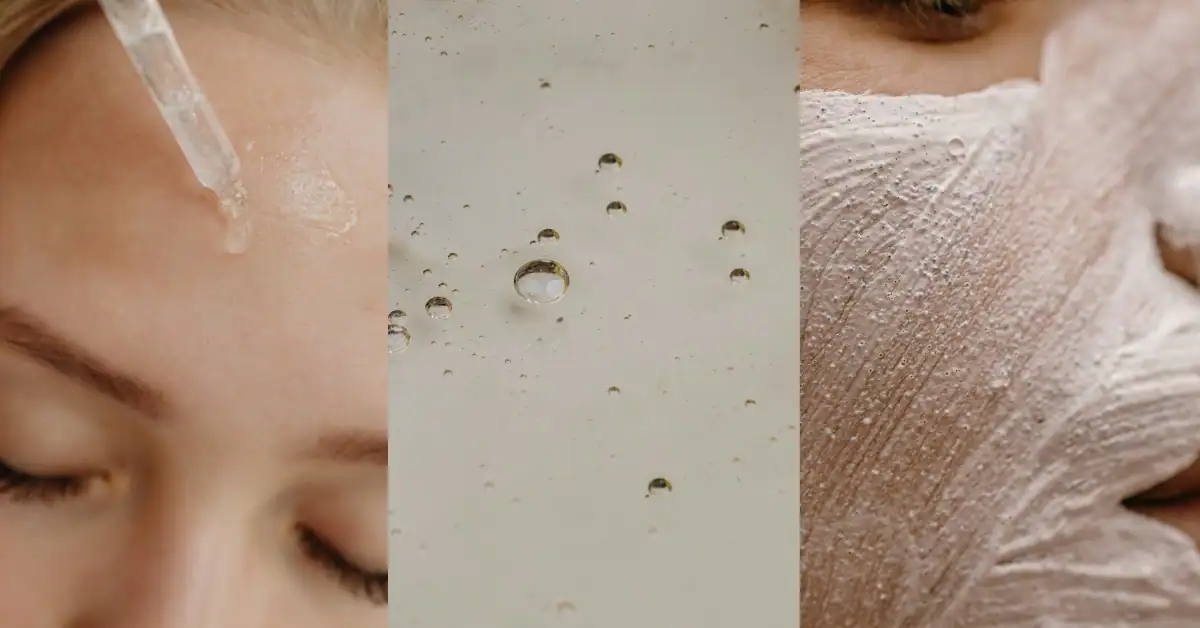
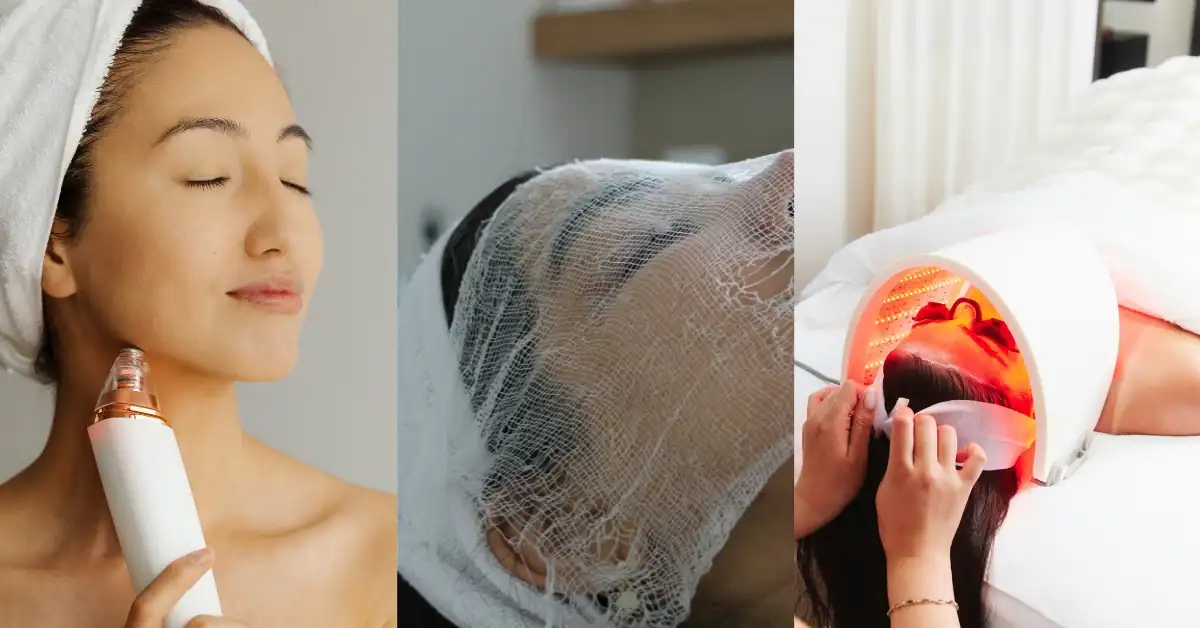
Trending Facial Treatments in 2026: What You Need to Know
The world of facial treatments is changing fast. Every year there are new technologies, new ingredients, and new treatments that promise to transform your skin. And honestly, it can be hard to keep up. Even for someone like me who spends a lot of time reading and researching these things, it feels like there is always something new to learn about.
In 2026, the biggest shift is towards regenerative treatments. Instead of just smoothing, filling, or resurfacing the skin, the focus is now on helping your skin repair and rebuild itself from within. Treatments like polynucleotides, exosomes, and RF microneedling are leading that shift.
So I wanted to break down the treatments that are trending right now, what they actually do, and what you should know before trying them.
Polynucleotides (PDRN)
If you have been on skincare social media at all in the past year, you have probably come across the term PDRN or “salmon DNA facial.” It sounds unusual, but the science behind it is actually fascinating.
Polynucleotides are chains of DNA fragments, and PDRN (polydeoxyribonucleotide) is the most commonly used type in aesthetic treatments. These fragments are derived from salmon DNA, which shares a high structural similarity with human DNA, making it very compatible with our skin.

How PDRN works
What makes PDRN different from most other facial treatments is how it works. Instead of adding something to the skin from the outside like a filler or a moisturizer would, PDRN activates your own skin cells to repair themselves. When injected into the skin, the DNA fragments stimulate fibroblasts, which are the cells responsible for producing collagen and elastin in our skin. They also reduce inflammation and improve blood circulation in the treated area.
PDRN is especially popular for the under-eye area. The skin there is very thin and delicate, which can make traditional fillers unpredictable. PDRN works differently because it does not add volume. Instead it helps the skin regenerate from within, improving fine lines, hydration, and dark circles caused by poor circulation under the eyes. It is also used for overall skin quality, fine lines, acne scars, and even post-procedure recovery after treatments like chemical peels or laser.
Results build gradually over weeks as collagen production increases, and they typically last 6 to 12 months. The number of sessions depends on your skin and concerns, but typically 2 to 4 sessions spaced a few weeks apart are recommended.
The treatment itself is quick. PDRN can be delivered through small injections directly into the skin, or it can be applied alongside treatments like microneedling to help it penetrate deeper. The method depends on the area being treated and your esthetician’s or dermatologist’s approach. You might have some redness or mild swelling for a day or two, but there is no significant recovery time.
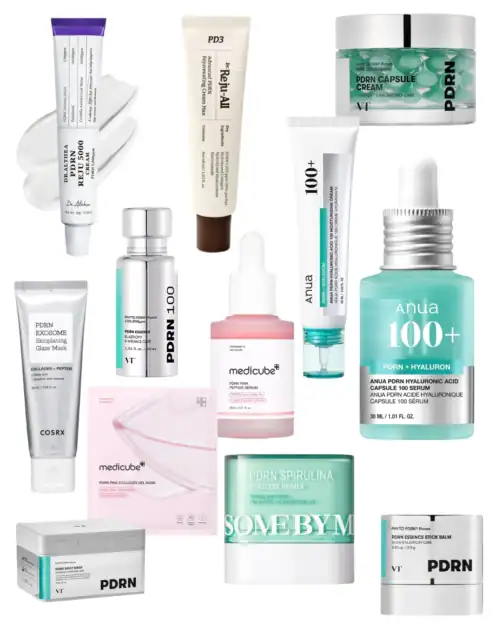
PDRN in Skincare Products
You have probably also seen PDRN in a lot of skincare products right now, and I actually use some of them myself. Some brands, like VT Cosmetics, offer vegan PDRN derived from plants like ginseng instead of salmon DNA, which is a great option if you prefer non-animal ingredients.
Topical PDRN products can definitely be a nice addition to your routine, especially for hydration and skin soothing. But it is worth knowing that topical products and injectable treatments are two very different things in terms of how deep the ingredient can reach and what kind of results you can expect. The research on topical PDRN is still growing, so think of them as a great addition to your routine but with realistic expectations.
You might have also noticed that some PDRN products say things like 1000 ppm or 5000 ppm on the label. PPM stands for parts per million and it simply tells you how much PDRN is in the product. To put it simply, 1000 ppm means 0.1 percent of the total formula is PDRN. So even though 1000 sounds like a big number, it is actually a very small amount. A higher PPM does mean more PDRN in the product, but I could not find any clear agreement on what concentration actually makes a difference when applied topically. So just like with niacinamide percentages, do not get too caught up in the numbers.
Exosomes
Exosomes are another regenerative treatment that has gained a lot of attention in 2026. They are tiny vesicles, think of them as microscopic messengers, that are naturally secreted by stem cells. They carry growth factors, proteins, and genetic material that tell your skin cells to repair, regenerate, and produce more collagen.
How Exosomes Work
During a professional treatment, exosomes are typically applied as a serum onto the skin right after a treatment like microneedling or laser. The micro-channels created by these treatments are still open, which allows the exosomes to penetrate deeper into the skin where they can actually do their work.
Exosomes have been shown to improve hydration, elasticity, wrinkles, pore size, and overall skin quality. And the best part is that they are very well tolerated with no significant side effects.
What makes exosomes exciting is their versatility. They can be combined with almost any other treatment to enhance results. This is actually one of the reasons why treatment stacking has become such a big trend in 2026, but more on that in a moment.
Exosomes in Skincare Products
You might have also seen the word exosomes on some skincare products lately. Just a friendly reminder that at-home exosome serums and clinical exosome treatments are not the same thing. The concept is similar, but the concentration and delivery method are very different. At-home products can still be beneficial for the skin, but they will not give you the same results as a professional treatment.
In fact, South Korean regulators recently took action against some exosome skincare products for making claims that were too close to medical marketing. The products were or are not unsafe, but the advertising was considered misleading. A good reminder to always look at skincare marketing with a critical eye.
RF Microneedling
If you are already familiar with regular microneedling, RF microneedling is basically the upgraded version. RF stands for radiofrequency, and it adds a layer of heat energy to the traditional microneedling process.
In regular microneedling, tiny needles create controlled micro-injuries in the skin to stimulate collagen production. Think of it as the needles break the skin so your body starts to heal it, and in that healing process it produces new collagen. RF microneedling does the same thing, but the needles also deliver radiofrequency energy deep into the dermis (middle layer of our skin). The heat tightens the existing collagen in your skin right away, while also triggering your skin to produce new collagen and elastin over time. So you get both an immediate and a long-term effect.
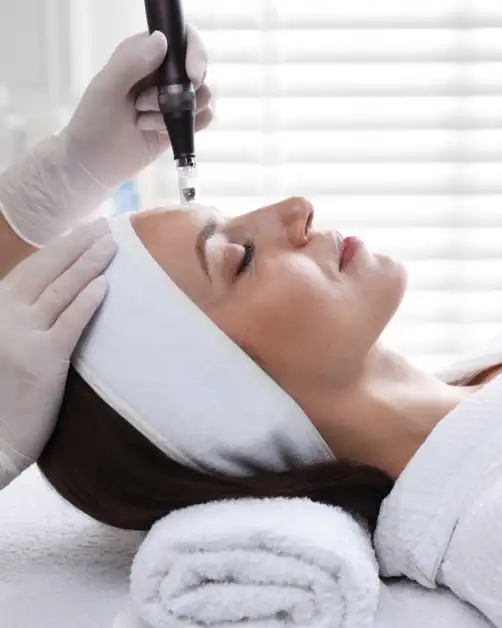
RF Microneedling vs Regular Microneedling
The result is that RF microneedling can address concerns that regular microneedling cannot always reach. Deeper wrinkles, sagging skin, and severe acne scars all respond better to RF microneedling because the treatment penetrates deeper into the skin, up to 4 millimeters compared to about 2.5 millimeters with regular microneedling.
Another advantage is that you typically need fewer sessions. Where regular microneedling often requires 4 to 6 sessions for optimal results, RF microneedling can deliver visible improvement in just 2 to 3 sessions. The results also tend to last longer, up to 12 to 18 months compared to 6 to 12 months with regular microneedling. Keep in mind that results are individual.
However, the recovery time is slightly longer than with regular microneedling. You can expect some redness, swelling, and pinpoint marks for about 3 to 5 days, compared to 1 to 2 days with regular microneedling.
Microneedling is a great option if you want more visible and faster results than regular microneedling can offer, especially if your concerns include skin tightening or deeper scarring.
Microneedling at Home
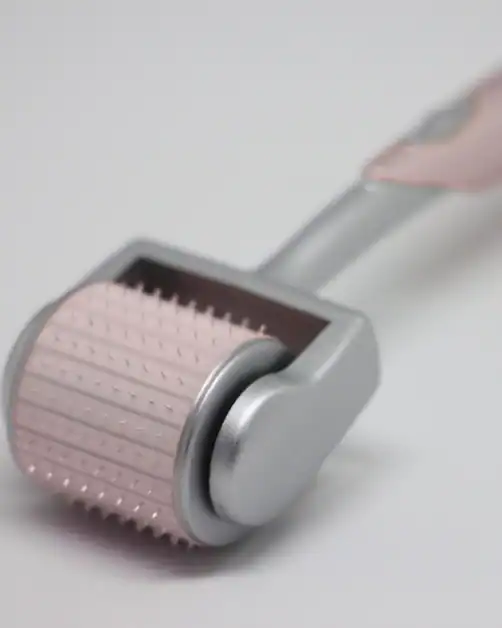
You might have also seen microneedling tools that you can buy for home use. These typically use much shorter needles, around 0.2 to 0.5 millimeters, compared to 1 to 2.5 millimeters in a professional treatment. They will not give you the same results as a professional treatment, but they can still be a nice addition to your routine. They help your skincare products absorb better and can give your skin a smoother, more glowy appearance over time with consistent use. If you do use one at home, make sure to keep it clean and never share it with anyone.
Treatment Stacking
One of the biggest trends in 2026 is treatment stacking, which basically means combining multiple treatments in one session for enhanced results. It obviously comes with a higher price tag, but the idea is that you get more out of one appointment.
Instead of getting just a microneedling treatment on its own, for example, your esthetician or dermatologist might combine it with LED light therapy and a customized serum application. Or might pair RF microneedling with exosomes to boost collagen production and speed up recovery at the same time.
The idea behind treatment stacking is that different treatments target different layers and functions of the skin. When you combine them strategically, the results can be greater than what any single treatment could achieve on its own.
Always make sure you go to an experienced esthetician or dermatologist who understands how different treatments interact with each other. Not every combination works well together, and the order and timing matter. But when done right, treatment stacking can be a really effective way to get the most out of your appointment.
LED Light Therapy
LED light therapy has been around for a while but it continues to be one of the most popular and accessible facial treatments, both in clinics and at home. It uses different wavelengths of light to treat various skin concerns. Each color of LED light has a different wavelength, which is measured in nanometers (nm). The wavelength determines how deep the light can penetrate into your skin, which is why different colors do different things.
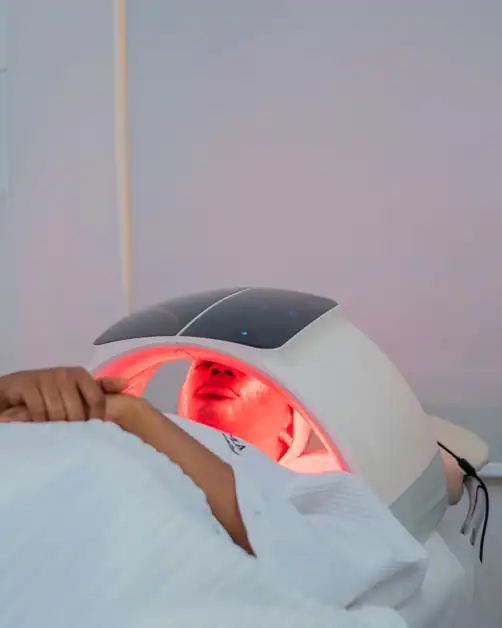
The Different LED Lights
Red light, typically around 630 to 660 nanometers, penetrates deeper into the skin and stimulates collagen production. It is used for anti-aging, reducing fine lines and wrinkles, and helping with skin healing and inflammation.
Blue light, around 415 nanometers, targets the uppermost layer of the skin and kills acne-causing bacteria while reducing oil production.
Near-infrared light, around 830 nanometers, penetrates even deeper and supports tissue repair and reduces inflammation. You cannot see this light with your eyes but your skin can still absorb it.
Yellow light, around 590 nanometers, is used to reduce redness and calm inflammation. It can be helpful for sensitive or rosacea-prone skin.
LED light therapy works for all skin types and tones. It is completely painless with no recovery time at all. However, it is worth remembering one single session will not transform your skin, but regular consistent treatments over time can make a noticeable difference.
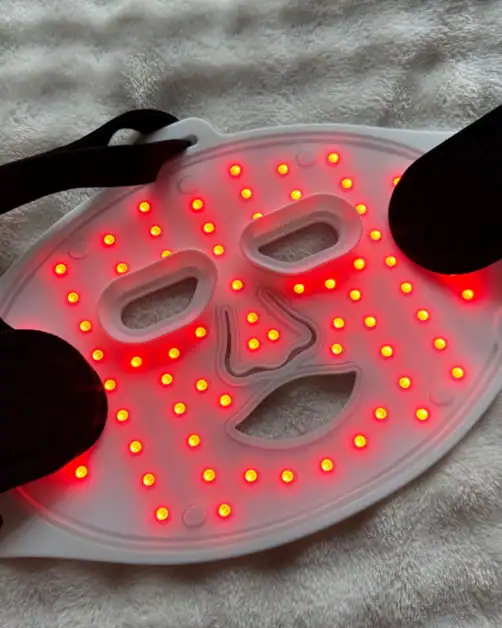
At-Home LED Masks
Red light therapy has also become really popular as an at-home treatment, especially the LED face masks. And they can genuinely make a difference if you use them consistently. The most important thing when choosing one is to check the wavelengths.
For anti-aging, look for red light around 630 to 660 nanometers and near-infrared around 830 nanometers. For acne, look for blue light around 415 nanometers. These clinically proven wavelengths actually deliver results.
If you have been thinking about buying one, you will notice there are a lot of options in very different price ranges. My recommendation is to always check the wavelengths first. Unfortunately, the devices that use the right wavelengths tend to be more expensive. So if you are not ready to invest in a quality one, I would honestly recommend not spending money on the cheaper ones either, as they will simply not do much for your skin.
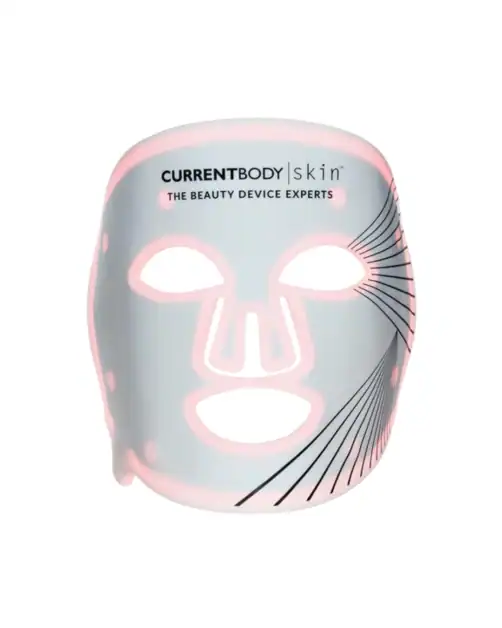
I personally use the CurrentBody Skin LED Light Therapy Mask and I love it. It uses the right wavelengths and I have noticed a real difference in my skin since I started using it consistently.
You can find the product here.
Which Treatment Is Right for You
If you are curious about trying any of these treatments, here is a simple way to think about it.
For overall skin regeneration and under-eye concerns, polynucleotides and PDRN are worth looking into.
Want to boost the results of your existing treatments? Exosomes are a great add-on.
Dealing with sagging skin, deeper wrinkles, or severe acne scars? RF microneedling is definitely worth considering.
For acne, inflammation, or anti-aging with zero downtime, LED light therapy is a fantastic choice, both in-clinic and at home.
And if you want the most comprehensive results, ask your esthetician or dermatologist about treatment stacking and which combination would work best for your skin.
No matter what you choose, always consult with a professional first. A good esthetician or dermatologist will assess your skin and recommend what is right for you based on your specific concerns and skin type.
Conclusion
The facial treatment landscape in 2026 is exciting. There are more options than ever, and the shift towards regenerative treatments that actually help your skin rebuild itself is a really positive direction for the industry, in my opinion.
The most important thing is to choose treatments based on your actual skin concerns, not trends. What works for someone else might not be the right fit for you. And always do your research before booking anything.
Have you tried any of these treatments? I would love to hear which one and what you thought about it.